By Simone Walker, PowerVault Staff
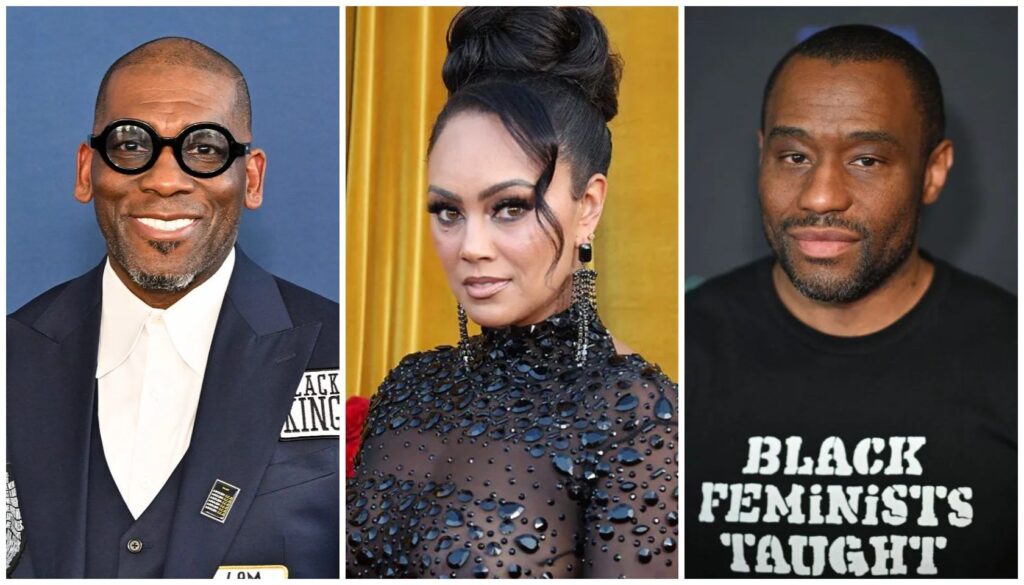
The recent public tussle between Jamal Bryant and Dr. Cheyenne Bryant over her academic credentials has stirred the pot in ways that go beyond mere gossip. In a bizarre twist, Jamal Bryant, the senior pastor at New Birth Missionary Baptist Church, raised concerns about the legitimacy of Dr. Cheyenne Bryant’s dissertation, prompting her to issue a cease and desist order against him. The situation escalated during an interview with Marc Lamont Hill, where Dr. Cheyenne’s university president attempted to defend her status. This drama has not only caught the attention of social media but has also raised critical questions about the standards we uphold in our community.
To understand the gravity of this situation, one must recognize the nuanced landscape of academia within the Black community. Degrees are often seen as badges of honor, symbols of perseverance against systemic barriers. However, this case puts a magnifying glass on how those credentials are acquired and validated. Dr. Cheyenne Bryant claims to be a doctor and an authority in her field, yet Jamal Bryant’s skepticism reflects a broader unease about the quality and integrity of educational institutions that cater to Black students. As we navigate the complexities of representation and leadership within our communities, these debates become increasingly significant.
The implications of this conflict are far-reaching. It raises a critical question: how do we hold our leaders accountable without falling into the traps of disrespect or infighting? In an era where Black excellence is both celebrated and commodified, it becomes paramount to ensure that those claiming expertise truly possess it. This moment serves as a reminder that accountability is not just a personal matter; it’s a collective responsibility. We should be demanding that our leaders be transparent about their qualifications and experiences, particularly in spaces that affect our community’s future.
This situation also brings to mind past instances where figures in our community faced scrutiny over their qualifications and integrity. The fallout from those moments—like the scrutiny faced by figures such as Umar Johnson or even the late Steve Harvey regarding their educational claims—often led to both division and growth. While some might see this as a scandal, it also creates an opportunity for dialogue about what constitutes legitimacy in leadership. If we want to uplift our community, we must be willing to question the structures that define success and leadership.
Looking ahead, the trajectory of this story will be critical to watch. Will this lead to more transparency in the educational and leadership landscape of the Black community? Or will it become another story of alleged victimhood and character attacks? As we hold these public figures to account, we must also engage in deeper conversations about the value of education, representation, and the importance of authenticity in our leaders. The outcome of this drama could very well shape the way future leaders are vetted and accepted within our spaces, making it a pivotal moment for our community.
About The Author