By Marcus Ellison, PowerVault Staff
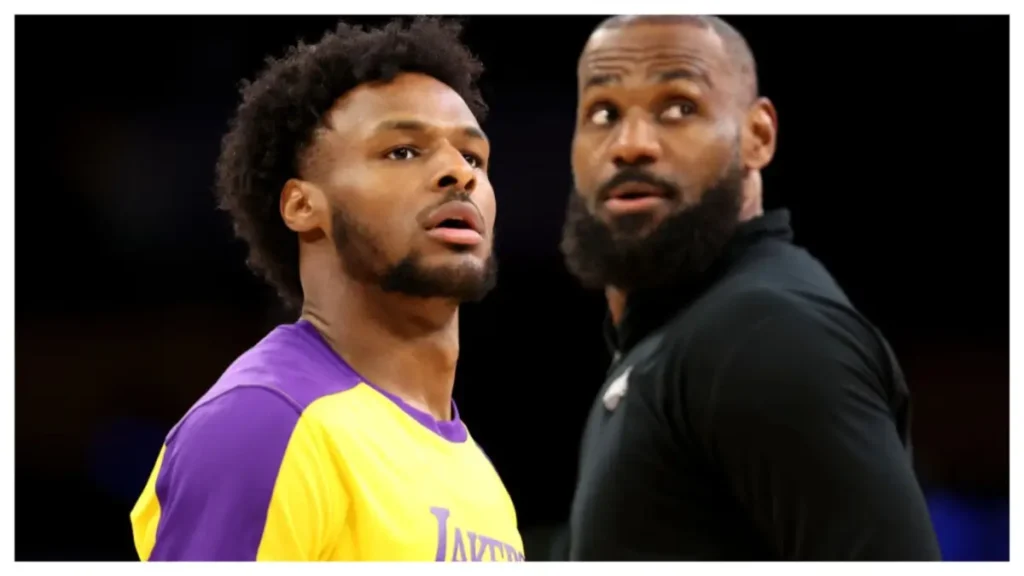
Picture this: LeBron James, arguably the most talked-about athlete in the world, making headlines not for his gameplay, but for a surprising new teammate choice that has fans buzzing. The NBA isn’t just about basketball; it’s a soap opera, a narrative-driven spectacle where every move and decision resonates beyond the court. And when LeBron, the king himself, decided to play alongside a player who once talked trash about his son, Bronny, the storyline became juicier than ever.
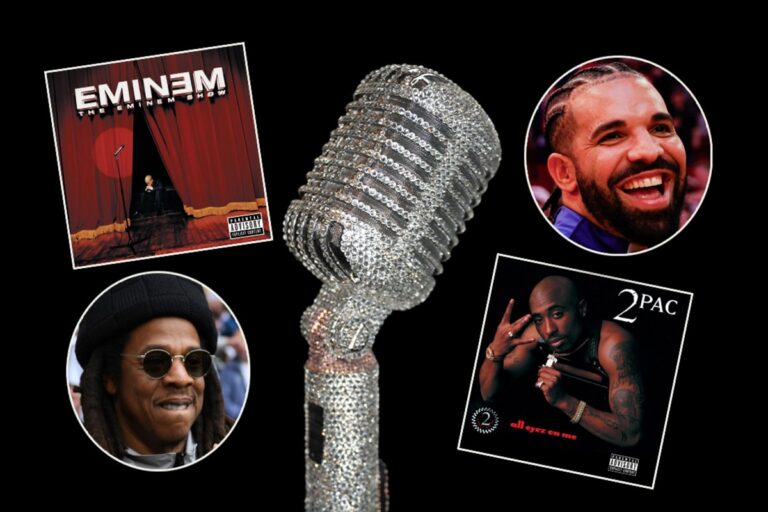
Let’s rewind for a moment. In a world where social media feuds and petty rivalries often overshadow the game, LeBron’s decision feels both audacious and strategic. It echoes past moments in hip-hop where beefs were squashed for bigger causes. Think Jay-Z and Nas, two legends who put their infamous feud to bed. In this case, LeBron is taking a page out of that playbook, showing that maturity sometimes outweighs past grievances. But why would LeBron choose to walk this path now?
It’s not just about forgiveness or turning the other cheek. In the high-stakes world of NBA politics, LeBron’s move is a savvy play that highlights his emphasis on legacy over temporary drama. His choice to join forces with his son’s former critic speaks volumes about his vision for the future—a vision that perhaps sees past the here and now and focuses on what truly matters: winning. Just like LeBron, the culture constantly evolves, and sometimes the smart play is to embrace change rather than resist it.
For fans, this isn’t just basketball drama. It’s a reflection of real life, where sometimes you work alongside people you once clashed with, all in the name of a greater goal. It’s a lesson in growth and evolution, echoing the themes seen in Black Music Month, where the narrative of overcoming and uniting is celebrated.
LeBron has always been more than just an athlete. He’s a cultural icon, a symbol of Black excellence and empowerment. So, when he decides to forgive and forge new alliances, it sends a powerful message to fans and critics alike. It’s about rising above the noise and setting an example for Bronny and young athletes everywhere who look up to him. In a way, it’s reminiscent of when hip-hop was used as a tool for social change, shifting narratives and empowering communities.
Historically, sports and hip-hop have always intersected, with both fueled by passion, grit, and an unwavering desire to be the best. LeBron’s move is a chapter in that ongoing story. Just like rappers redefine their image and music videos—much like Travis Scott did with ‘When I’m Home’—LeBron is redefining his narrative and, by extension, his legacy.
Looking ahead, this decision could lead to unexpected alliances and perhaps even a championship run that will cement LeBron’s place in history even further. For Bronny, seeing his father navigate these complex dynamics is more valuable than any lesson learned on the court. It’s a living example of diplomacy, growth, and the power of reconciliation.
As fans, this isn’t just about what happens next season. It’s about what this moment signifies for the culture. It’s about understanding that in the world of sports and beyond, forgiveness and strategic alliances can pave the way for something greater. Sometimes, it’s not about the past, but the legacy we choose to build for the future.
About The Author