By Marcus Ellison, PowerVault Staff
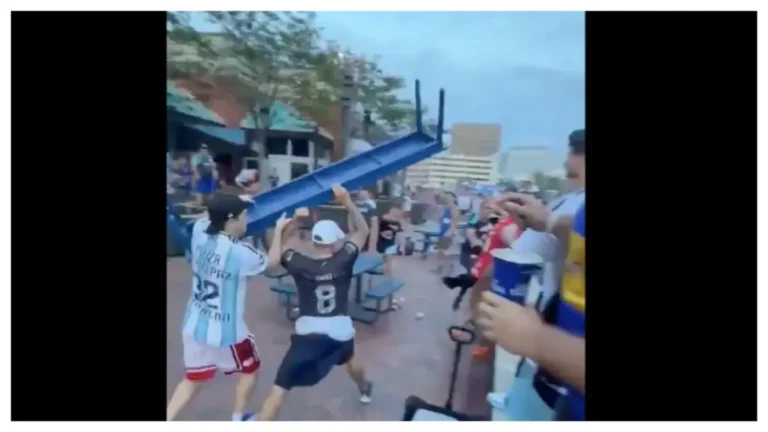
In a disheartening turn of events following Argentina’s World Cup loss to Spain, soccer fan Rene Seghini launched into a tirade of racial slurs directed at a Black man. This outburst did not go unnoticed; it sparked immediate backlash on social media, forcing the Mexican restaurant that hosted the incident into damage control mode. While Seghini’s behavior is deplorable, it also serves as a reminder that racism often rears its ugly head in the most unexpected places, showing that even moments meant for celebration can become tainted by prejudice.
The context here is crucial. Soccer, traditionally regarded as a beautiful game, has seen its fair share of racism, particularly in the European arena. This incident occurred in a space that was meant to unite fans from diverse backgrounds to celebrate a beloved sport. Instead, Seghini’s actions uncovered the deep-seated racism that still exists in many facets of society, including one that promotes inclusivity. That a moment meant for collective joy could devolve into such hatred illustrates how fragile these bonds can be.
From our perspective at PowerVault Network, this incident is emblematic of a broader issue within sports culture. While we often celebrate the unity that sports bring, it’s crucial to acknowledge that the world of athletics is not immune to the biases and prejudices that persist in society. Fans, players, and organizations must actively combat racism and foster environments that truly embrace diversity. Ignoring or downplaying Seghini’s actions only perpetuates a culture where hate speech becomes normalized, threatening to undermine the progress that has been made.
This isn’t the first time we’ve seen sports fandom cross paths with racism in a shocking way. Take, for instance, the infamous incidents in the MLS where players like Quincy Amarikwa faced racial slurs from opposing fans. Each of these episodes serves as a stark reminder that silencing racism isn’t just the responsibility of players and institutions; it’s a collective obligation for fans as well. We must confront these ugly truths head-on instead of sidestepping them under the guise of ‘passion’ for the game.
Looking ahead, it will be essential to monitor how this incident plays out in the public discourse. Will it lead to meaningful conversations about race in sports? Or will it fade into the background, chalked up as just another ugly moment in a long history of racially charged incidents? The real test lies in how organizations, fans, and communities address these issues moving forward. If we’re truly committed to dismantling racism, we cannot afford to let these moments slip by without accountability. Awareness is just the first step; action must follow.
About The Author