By Andre Coleman, PowerVault Staff
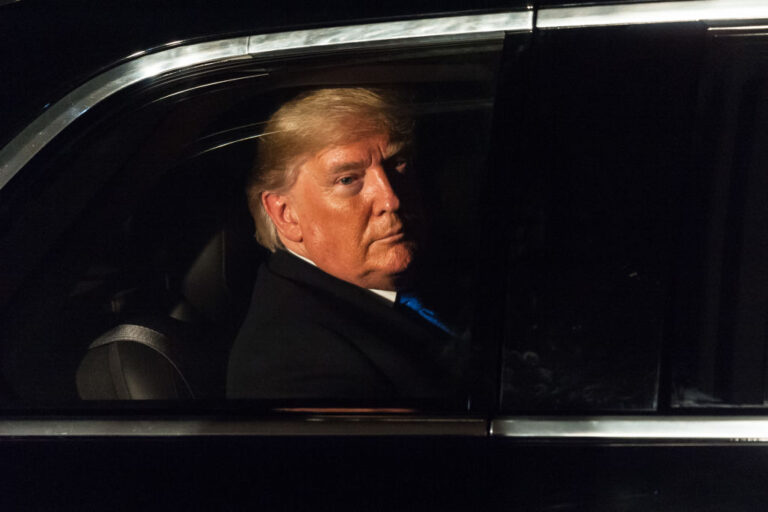
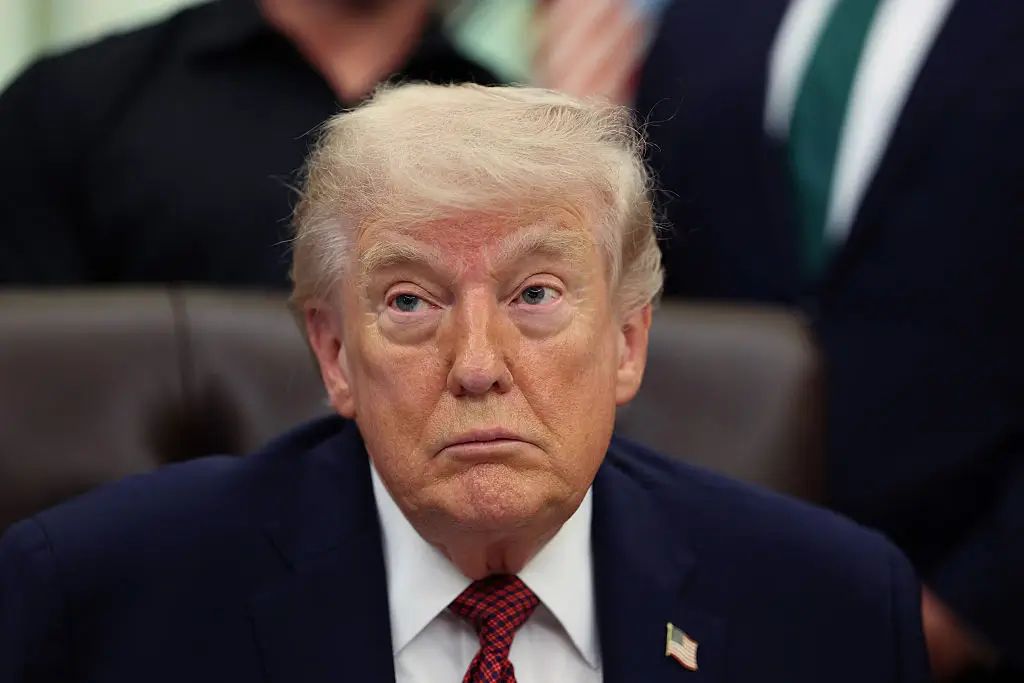
Picture this: you’re watching a hip-hop beef unfold, with one artist claiming another tried to sabotage their career. But just as the drama heats up, the accuser forgets important details from their own story, leaving fans scratching their heads. That’s the kind of chaotic energy surrounding Donald Trump’s latest saga with the Lincoln Memorial Reflecting Pool.
Now, let’s set the scene. Trump’s narrative about the Reflecting Pool, a landmark as iconic as any rap battle stage, has been unraveling faster than a mixtape dropped in a hurricane. Amidst the controversy, Trump has somehow managed to forget his own storyline, leaving his handpicked contractors out to dry. It’s a spectacle that would make even the most intense Verzuz battle look tame.
The drama began when Trump accused others of misleading information regarding the Reflecting Pool. He claimed it was shoddily constructed, throwing blame at his own contractors, suggesting they were at fault for poor craftsmanship. But as the tale unfolds, it’s Trump’s own shaky narrative that seems to be crumbling.
In the world of hip-hop, credibility is everything. Artists build entire careers on the authenticity of their stories and the strength of their words. When Trump, the former president, stumbles over his own claims, it resembles a rapper losing their flow mid-freestyle. It raises questions not just about the specifics of the story but about the storyteller himself.
Trump’s saga isn’t isolated when you look at the broader cultural landscape. Just like how K. Michelle accused Shaboozey of ghosting her and not liking Black women, this story revolves around accusations, misunderstandings, and the complex web of narratives people weave. The truth can sometimes be as elusive as a platinum plaque in the music industry.
There’s also a touch of irony in how this reflects on Black culture and the community. The Reflecting Pool, a symbol of history and power, now caught up in a whirlwind of accusations and finger-pointing. It’s comparable to the controversies and challenges Black artists face when their narratives are questioned or distorted by the media.
As we witness Trump’s story unravel, it reminds us of another moment in music history. Think back to when artists have found themselves in hot water over unverified claims. The credibility hits can be hard, as seen when Cardi B had to defend her rise to having four diamond songs, proving to skeptics that her achievements were no fluke.
But why does any of this matter to us, the fans of the culture? Trump’s narrative blunders offer a lesson in accountability and the importance of owning one’s truth. In hip-hop, authenticity is revered. Artists who fail to back up their words with facts often face the ultimate consequence—being called out by their peers and losing respect in the community.
Looking ahead, the Reflecting Pool controversy is more than just Trump’s latest misstep. It’s a reflection of a larger cultural phenomenon where truth and fiction blur, reminding us of the importance of staying true to the facts. Whether in politics or music, the stories we tell must hold water, much like the Reflecting Pool itself.
As the dust settles, we’re left wondering what the next chapter will be. Will this story continue to unravel like a poorly written diss track, or will it be wrapped up neatly like a classic hip-hop album? One thing is certain—this moment is another reminder of the intricate dance between authenticity and narrative, a dance that both politicians and artists know all too well.
About The Author