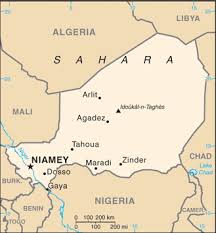
Nestled in the heart of Niger, Agadez is a city steeped in history and cultural significance. Often referred to as the “gateway to the Sahara,” this UNESCO World Heritage Site holds an esteemed place in the tapestry of West African civilization. Its mud-brick architecture, a hallmark of the region, reflects the ingenious adaptation of its people to the harsh desert environment. Agadez has long been a hub for the Tuareg people, a nomadic Berber group known for their rich cultural traditions and resilience in the face of changing times.
The name “Agadez” itself carries profound historical weight, stemming from the Tuareg language, Tamajeq. Various interpretations suggest it references the city’s role as a resting place for travelers, symbolizing a place of refuge and safety amid the vast Sahara. This significance has its roots in Agadez’s past as a critical stop on ancient trans-Saharan trade routes, where caravans laden with gold, salt, and other goods would converge, forging connections between disparate cultures and regions.
As we wander through Agadez today, we’re reminded that its streets and structures are living testaments to the rich narrative that defines this region. The towering minaret of the Great Mosque, for example, is not just an architectural marvel but also a beacon of faith and community, representing the Islamic traditions that have flourished here for centuries. The local markets, vibrant with colors and sounds, echo tales of trade and interaction, melding the past with the present in a way few places can.
Yet, while the city’s history is palpable, Agadez also faces contemporary challenges. Issues like migration and climate change are reshaping the landscape and the lives of its inhabitants. As we reflect on Agadez’s journey from a historic trade hub to its current status, we must acknowledge the resilience of its people and the cultural wealth they continue to nurture. The name “Agadez” not only signifies a location but encapsulates a profound legacy, where the rhythms of the past resonate within the life of the present.
About The Author