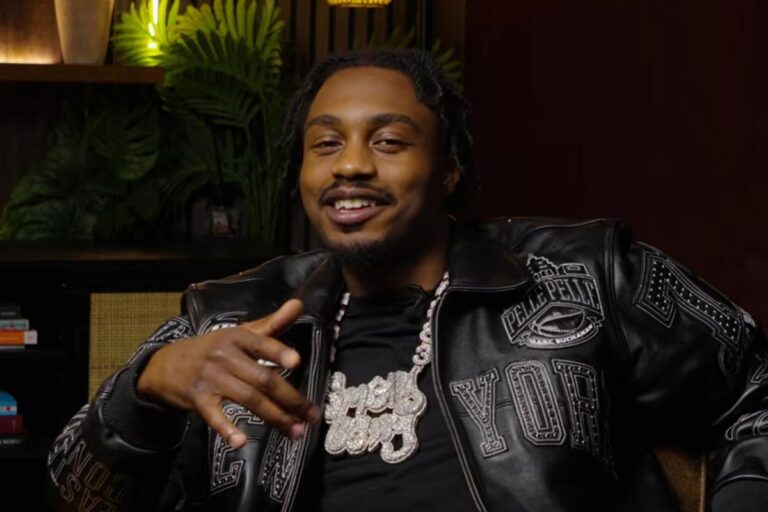
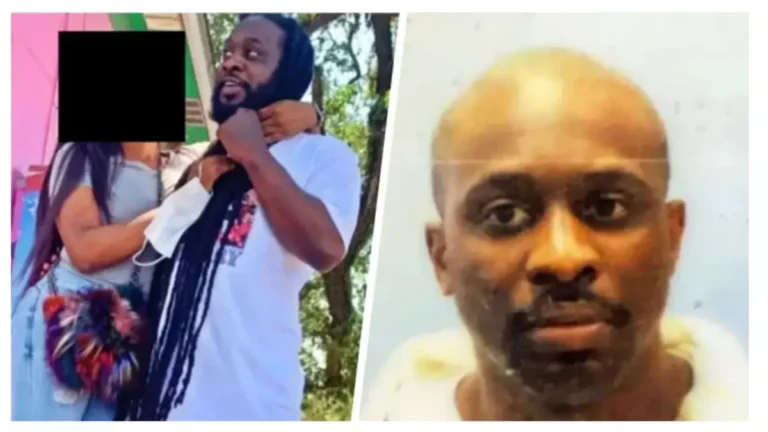
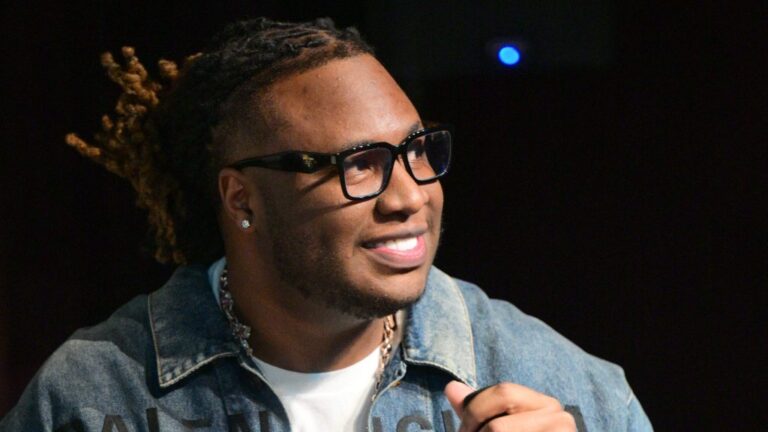
The streets are talking, and right now, the sound is echoing from behind bars. We’ve seen countless artists rise to prominence in the Hip Hop game, using their voices to tell their stories and uplift their communities. But the flip side of that glorified narrative is the stark reality that many of our beloved rap icons are caught up in the criminal justice system, facing charges that range from gun violence to drug trafficking. As we dive into the lives of these 22 rappers incarcerated in jails and prisons across the nation, we must grapple with the cultural and systemic issues that lead young Black men to these dire circumstances.
From the moment Hip Hop emerged, it has been intertwined with the struggles and triumphs of Black life in America. Our artists often articulate the raw, unfiltered truth of their environments, but it’s a double-edged sword. For many, the street credibility that comes from a rough past can later serve as a noose, tightening as they attempt to transition into mainstream success. As we look at these incarcerated rappers, we must not only acknowledge their personal choices but also how societal pressures, poverty, and systemic inequality shape those choices. The criminal justice system, often disproportionately targeting Black men, seems to have set a stage where the very act of survival can lead to downfall.
Take, for instance, the cases that have made headlines in recent years. Some rappers are facing lengthy sentences that seem more like a reflection of the systemic failures in their communities rather than the individual actions that led them to that point. Rappers like Young Thug and Gunna have drawn attention not only for their music but for their legal battles, encapsulating a reality where success doesn’t shield you from the long arm of the law. Their stories are more than just courtroom dramas; they are emblematic of a larger narrative of entrapment that has ensnared many Black artists who rise from the ghetto to the glam.
The irony of it all is that Hip Hop often romanticizes the hustle, yet when the same hustle leads to legal consequences, it becomes a tale of caution instead of celebration. These rappers have often been the voices for their communities, and when they fall, it reverberates throughout the culture, leaving young fans grappling with the dichotomy between aspiration and reality. It’s a reminder that while the industry may elevate certain narratives, the streets hold a different truth, one that doesn’t always align with the glamor portrayed in music videos and award shows.
As we pay homage to these artists, we must also demand more from our systems. We need to advocate for reforms that address the root causes of crime, invest in communities, and create pathways to empowerment rather than incarceration. The stories of these 22 rappers in jail are not just personal tragedies; they are calls to action for all of us to uplift, support, and fight for the future of our culture. In the end, it’s not just about the bars they spit—it’s about the bars that hold them back.
About The Author