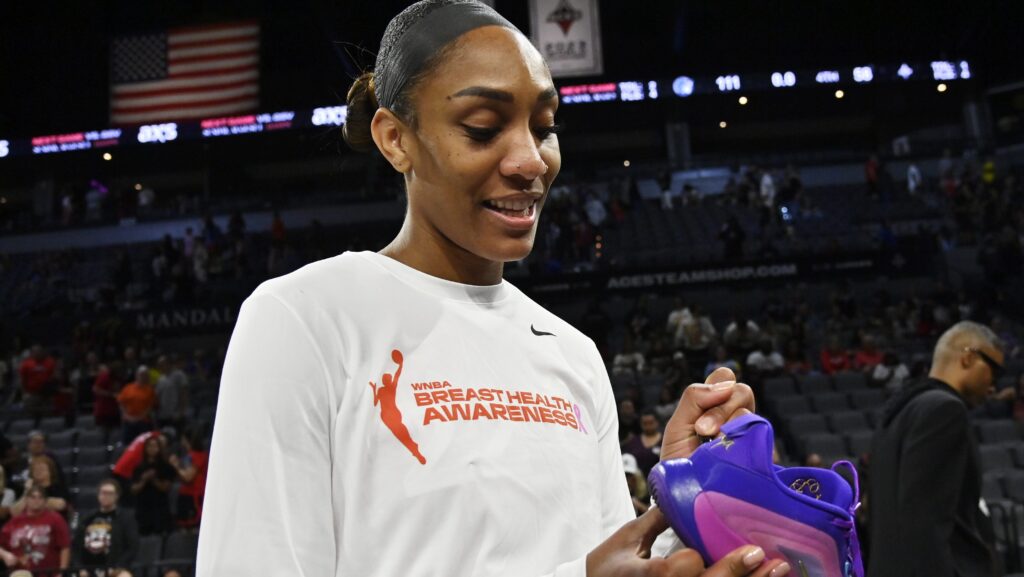
When Las Vegas Aces star A’ja Wilson stepped onto the Target Center floor last July wearing a black Nike LeBron 21 detailed in the pink and green of her sorority, Alpha Kappa Alpha, it didn’t take long for the image to circulate. Screenshots spread. Group chats lit up. Then came the inevitable question from fans: where can we get those kicks? This scenario has become all too common in the world of women’s basketball, where player-exclusive sneakers garner massive attention yet remain out of reach for the average fan.
The reality is, while the WNBA has made significant strides in enhancing visibility and marketing for its stars, the retail landscape for player-exclusive sneakers tells a different story. As A’ja and her peers showcase beautifully crafted designs on the court, tapping into cultural connections and personal narratives, the sneakers they wear often remain available only to a select few. Brands like Nike, Puma, and Adidas may boast about their athlete partnerships, but when it comes to accessibility, fans find themselves on the sidelines, left to scroll through social media in envy.
In a league where talent and style intersect, these exclusive drops not only represent the athletes’ individuality but also serve as a cultural marker, celebrating their journeys and identities. There’s something special about a shoe that embodies a player’s legacy or aligns with their passions. It speaks volumes when players like A’ja Wilson use their platforms to make a statement, but it’s frustrating when those messages are locked away in a vault, inaccessible to the supporters who fueled their rise.
The demand is palpable. Fans want to celebrate their favorite players not just through jersey sales, but by wearing the same footwear that glides across the hardwood. With each new game, anticipation builds as sneakerheads and casual fans alike wait for the latest WNBA sneaker drop. Yet, when those occasions arise, it feels like a tease, a reminder of the disparity between hype and availability.
As we look towards the future, the conversation around player exclusives must evolve. The WNBA is carving out its identity, and with more collaborative efforts between the players and brands, there lies an opportunity to bridge the gap. Until then, A’ja Wilson and her counterparts will continue to make waves on the court, but fans will be left wondering when they’ll finally get their chance to lace up in solidarity.
About The Author