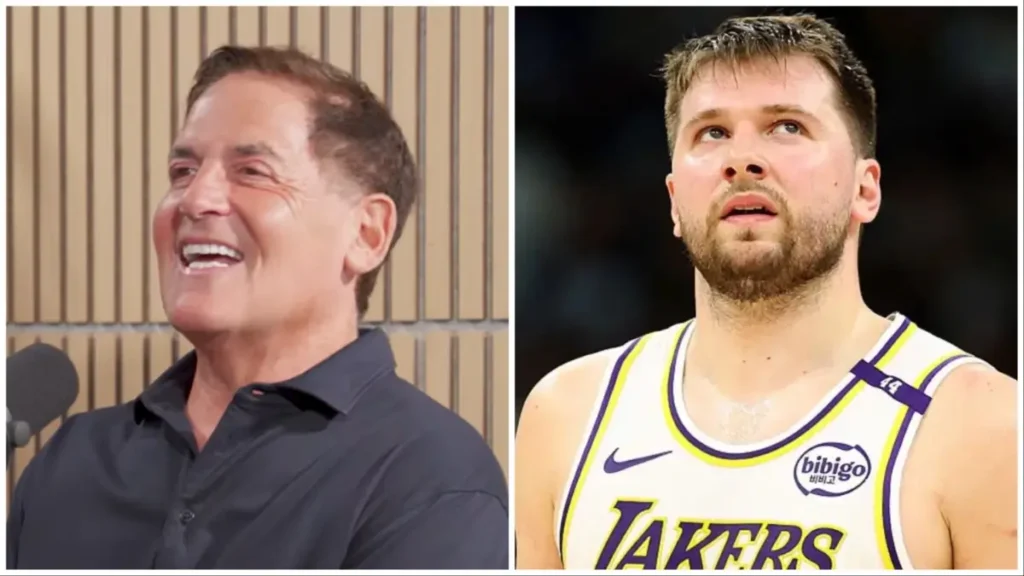
The NBA world has been shaken up since the Dallas Mavericks traded international superstar Luka Dončić to the Los Angeles Lakers in a three-team deal that sent shockwaves through the league. Initially, the move was seen as an opportunity for the Mavs to refresh their roster and embrace a new direction. However, a year into this transition, the fallout from the trade has been profound, with many fans and analysts now dubbing it the ‘Worst Trade in History.’
At the center of this controversy is Mavericks owner Mark Cuban, who made headlines once again after revealing he regrets selling his majority stake to a controversial investor shortly after the Dončić trade. This decision, made under the pressure of reconfiguring the team and navigating the complexities of team management, has left fans questioning the future of a franchise that once looked poised for greatness. Cuban’s candidness about his regrets reveals a deeper narrative: the long-term consequences of decisions made in the heat of the moment.
The injury woes faced by Dončić have only intensified the scrutiny around the Mavs’ management. As the young star deals with health setbacks, many are left wondering what could have been if the team had chosen to build around him rather than offload him in a bid to shake things up. The decline in team performance and fan engagement post-trade only reinforces the narrative that the Mavs may have lost sight of their core identity in pursuit of a quick fix.
Cuban’s reflections serve as a reminder that in the fast-paced world of sports, decisions made with urgency can often lead to regret. As the Mavericks navigate this tumultuous period, fans and analysts alike are left pondering the long-term implications of such pivotal choices. With the specter of the Dončić trade looming large, the Mavs must now regroup and determine how to regain their footing in a league that waits for no one, especially when it comes to superstars like Luka.
About The Author