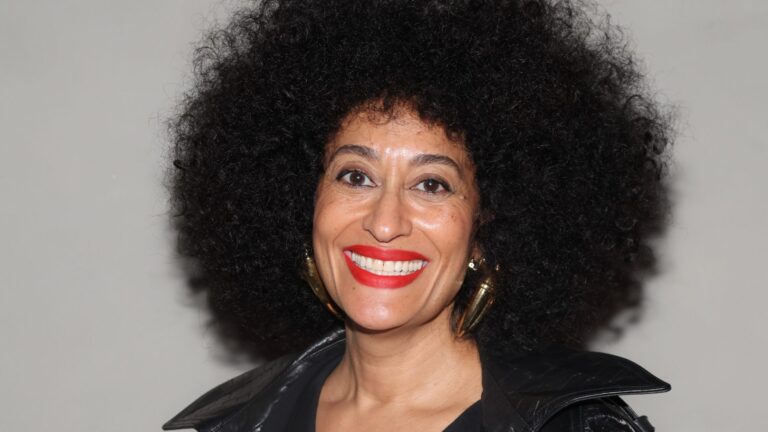
Cori ‘Coco’ Gauff has swiftly become a beacon of resilience and authenticity in the world of tennis. As she continues to break records and stereotypes on the court, the young athlete recently faced scrutiny over her hairstyle, a subject that has sparked conversations far beyond the confines of sports. It’s not just about the hair, as Coco’s response illuminated the intersection of identity, culture, and self-expression.
In a world that often imposes strict standards, especially on women of color, Gauff’s decision to unapologetically sport her natural locks is a powerful act of defiance. When critics took to social media to question her stylistic choices, Coco didn’t shy away from the conversation; instead, she used it as a platform to educate and inspire. Her message was clear: authenticity should never need an explanation. By embracing her hair, she’s embracing her heritage, and in doing so, she’s sending a resounding message to young girls everywhere—celebrate who you are, regardless of public opinion.
Coco’s response resonates beyond the tennis court, touching on deeper societal issues surrounding race, beauty standards, and the courage it takes to simply be oneself. It’s significant that a 19-year-old is leading this charge, using her fame and platform to shed light on the pressures that come with being in the public eye, particularly for Black women. She stands as a role model, not just in athleticism, but in the way she navigates the complexities of identity and self-love.
This incident is a reminder that while sports can be a mere game to some, for others, it’s a battleground for expression and acceptance. Gauff’s journey showcases the importance of representation in all aspects of life, and her bold stance encourages us all to embrace our true selves. With each match and every public appearance, Coco is not just playing tennis; she’s rewriting the narrative for future generations, proving that authenticity is the ultimate form of power.
In a world that often demands conformity, Coco Gauff embodies the truth that you don’t owe anyone an explanation for who you are—especially when that truth is rooted in the beauty of your culture and the strength of your spirit.
About The Author