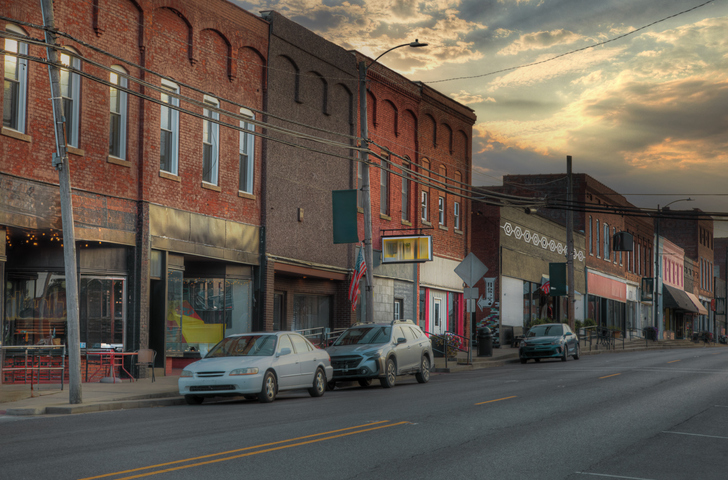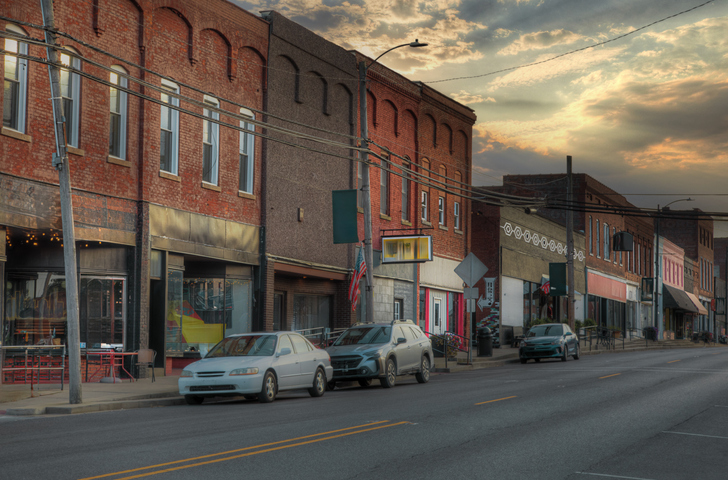
In the tapestry of American history, certain threads are woven with shadows, and the existence of sundown towns is a stark reminder of the racism that has permeated this nation. These towns, where Black people were unwelcome after sunset, serve as haunting markers of segregation and hostility. One can only imagine the fear that gripped those who traveled through areas where even the sun setting became a symbol of impending danger for Black individuals. This harrowing chapter reveals not just the physical barriers that existed, but the psychological toll they took on entire communities.
Sundown towns emerged in the late 19th and early 20th centuries, with many still recognizable today. They were often marked by signs that read, “N*****s, Don’t Let The Sun Set On You Here,” a chilling directive that underscored the lethal consequences of disobeying such warnings. The legacy of these towns is insidious, perpetuating a cycle of exclusion and fear that has lasted generations. Black individuals were forced to navigate their travels with extreme caution, knowing that their very lives could hinge upon the time of day. Such realities were not mere anecdotes; they were the lived experiences of countless families who had to adapt to an environment steeped in racism and violence.
The psychological impact of these sundown towns stretched beyond their borders, fostering a pervasive sense of anxiety within Black communities. Children grew up hearing the stories of those who had encountered violence or harassment simply for being in the wrong place at the wrong time. The mundane act of driving through these towns became a potential death sentence, forcing families to take longer routes just to avoid the danger lurking in plain sight. The legacy of sundown towns serves as a reminder that freedom, for many, was not guaranteed and that even the simplest of journeys came with a cost.
As we reflect on these dark chapters of American history, it’s essential to acknowledge the resilience of those who lived through such ordeals. Their stories are vital, not merely as a reminder of the injustices of the past, but as a call to action for the present and future. Understanding the history of sundown towns and the narratives that accompany them is crucial in our journey toward healing and reconciliation. Only by confronting these harsh realities can we hope to build a society that genuinely values equality and justice for all, ensuring that the shadows of the past do not continue to cast a pall over our future.
About The Author