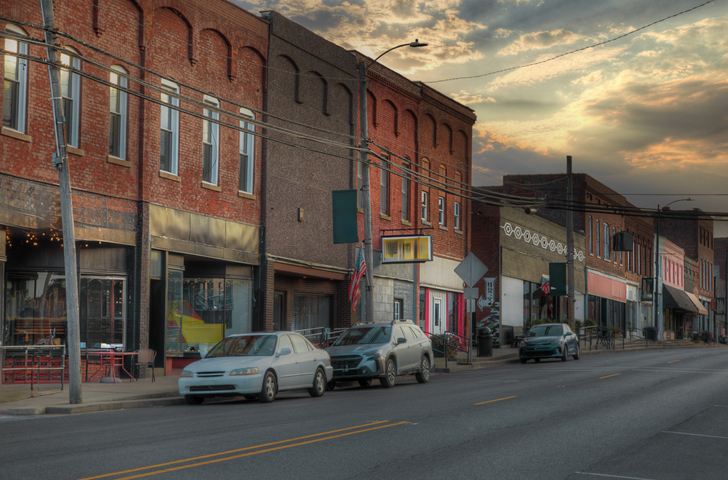
The legacy of sundown towns in America is a painful testament to the systemic racism that has plagued the nation for generations. Emerging primarily in the late 19th and early 20th centuries, these towns enforced a stringent, unspoken curfew for Black individuals, dictating that they must vacate before sunset — or face dire consequences. In many cases, the threat was not just social ostracism but physical violence, a grim reality that underscored the lengths to which white communities would go to maintain their racial homogeneity. Places like Monroe, Georgia, and Harrison, Arkansas, became infamous for these policies, creating an environment where fear dictated the lives of Black Americans. Families were torn apart, lives shattered, as the shadow of such hostility loomed over entire communities.
The very existence of sundown towns underscores a broader narrative in Black American history, where the quest for freedom and equality was met with fierce resistance. In these towns, the simple act of being Black after dark was enough to jeopardize one’s safety and life. While many towns have evolved and transformed over time, the scars of their past remain, often reflected in lingering racial tensions and disparities that continue to impact Black communities today. Even in the wake of the civil rights movement, the echoes of these restrictive practices remind us that the struggle for true equality is ongoing and far from over.
Understanding the history of sundown towns is crucial for recognizing the systemic inequalities that still exist. It also serves as a stark reminder of the courage it took for Black Americans to challenge the status quo, often at great risk to their own safety. The stories of those who defied the odds and sought refuge in safer spaces or fought back against the oppressive norms are not just tales of resistance; they are integral to the larger narrative of Black resilience and strength. It’s vital that we continue to share and learn from these stories so that we never forget the dark chapters of our history and remain committed to building a more inclusive future.
As we reflect on the legacy left by sundown towns, we honor the lives of those who endured such hostility. This history is not just an echo of the past; it is a clarion call for all of us to confront the realities of racism that persist today. Awareness is the first step toward change, and acknowledging the pain of these experiences is essential in ensuring that future generations can thrive in a world unburdened by the shadows of the past.
About The Author