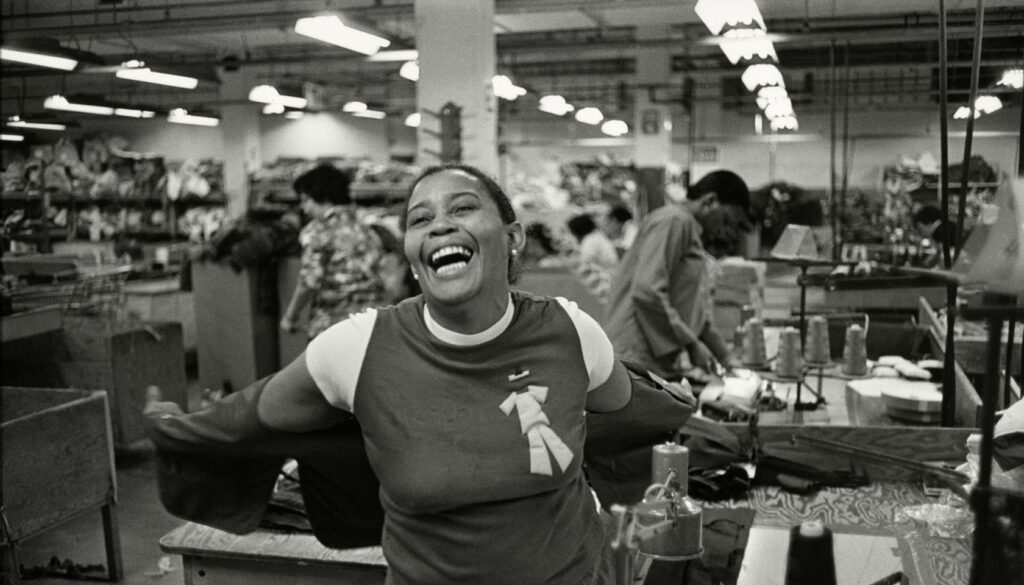
In a time when Black culture faces increasing scrutiny and attack, the Getty Museum has unveiled a compelling new exhibit titled “Photography and the Black Arts Movement.” This exhibition dives deep into the powerful visual arts that emerged during a pivotal time for Black identity and expression, highlighting how photography played a vital role in the broader narrative of the Black Arts Movement. Curated with sensitivity and insight, the exhibit showcases works from seminal artists who used their cameras as tools of resistance, self-definition, and community building.
The Black Arts Movement of the 1960s and 70s was not just about literature and performance; it was a multifaceted cultural revolution that sought to redefine how Black people were represented in art. Photography, often underestimated in its impact, served as a mirror that reflected the struggles, triumphs, and everyday realities of Black life. Through striking images, visitors are taken on a visual journey that captures the spirit of resilience and creativity that characterized the period. From portraits of influential activists to candid snapshots of community gatherings, the photographs tell stories that resonate with the present struggles for social justice and equality.
This exhibit comes at a crucial moment as conversations around representation and authenticity in art gain momentum in today’s society. As Black culture faces challenges from various fronts, the legacy of the Black Arts Movement reminds us of the importance of these artistic expressions. The work of these artists serves not only as historical documentation but also as a source of inspiration for contemporary creators who continue to push back against systemic injustices. The exhibit is a celebration of the past while illuminating the path forward for future generations.
Engaging with the exhibit invites reflection on how visual storytelling can empower communities and challenge dominant narratives. As we navigate a world where Black culture is too often marginalized or misrepresented, “Photography and the Black Arts Movement” stands as a vital reminder of the transformative power of art. It urges us to honor our history while boldly asserting our place in the ongoing dialogue about identity, race, and cultural expression. This is not just an exhibit; it’s a call to recognize and appreciate the rich tapestry of Black artistic heritage that continues to shape our cultural landscape today.
About The Author