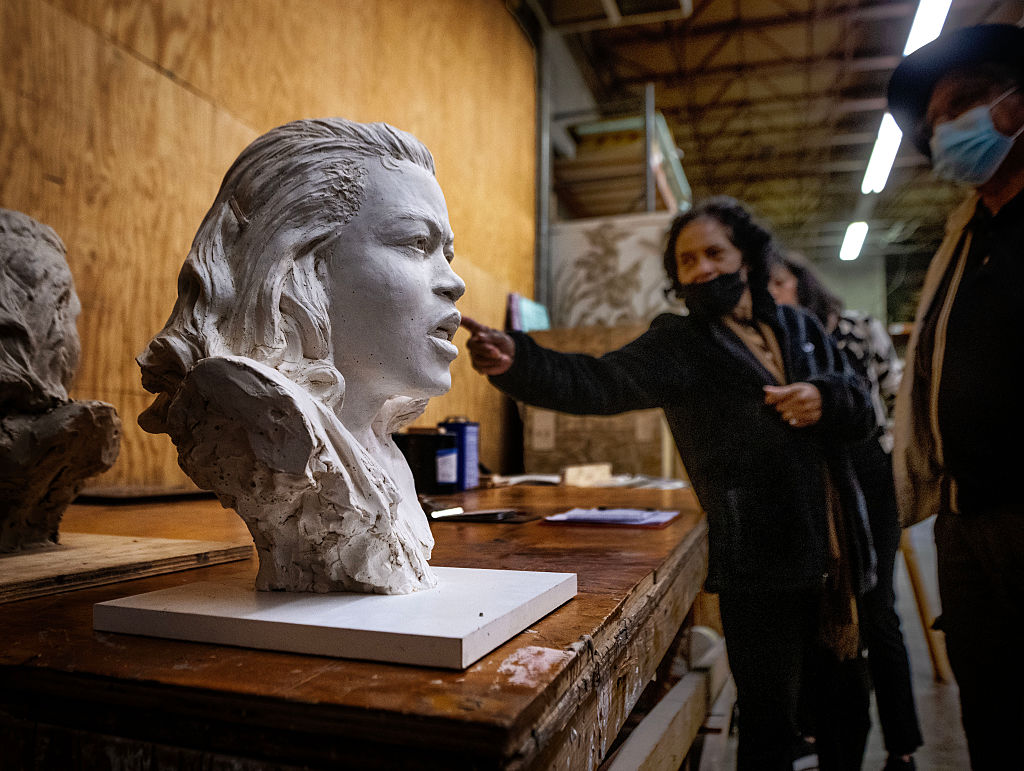
On December 16, 2022, history was made in the U.S. Capitol when a statue honoring the courageous Barbara Rose Johns was unveiled, replacing the controversial figure of Robert E. Lee. This momentous occasion serves not only as a testament to Johns’ pivotal role in the American civil rights movement but also as a profound shift in the narratives we choose to celebrate in our national story. At just 16 years old, Johns led a student walkout at her segregated high school in Prince Edward County, Virginia, in 1951, demanding equal educational opportunities for Black students. Her bravery and activism contributed significantly to the landmark Supreme Court case Brown v. Board of Education, which declared segregation in public schools unconstitutional.
Barbara’s journey began within the confines of the very institution that was supposed to educate her, yet it was stifled by deep-rooted racism and inequality. Frustrated by the inferior conditions at her all-Black school, which lacked basic resources, she organized her peers to stand up for their rights. This act of defiance not only ignited a movement amongst her classmates but also drew the attention of civil rights leaders, including the NAACP. Her story is a remarkable reminder that the fight for justice, equity, and change often starts with the courage of youth who refuse to accept the status quo.
The unveiling of her statue in the Capitol signals a shift in how we commemorate our history—acknowledging those who have fought against injustice rather than glorifying figures who represented oppression. Barbara Rose Johns’ legacy is a beacon of hope and resilience, illuminating the power of young voices in advocating for change. As we reflect on her contributions, it’s essential to recognize the ongoing relevance of her activism in today’s society, where the fight for equity in education and beyond continues.
The replacement of Robert E. Lee’s statue with that of Barbara Johns is not merely an act of symbolic reparation but a call to action—a reminder that history is not static. It is shaped by the narratives we choose to elevate and the heroes we decide to honor. As we celebrate this monumental achievement, let it inspire future generations to harness their voices and challenge injustices, just as Barbara Rose Johns did. Her story is a powerful testament to the potential of youth activism and the enduring impact it can have on our world.
About The Author