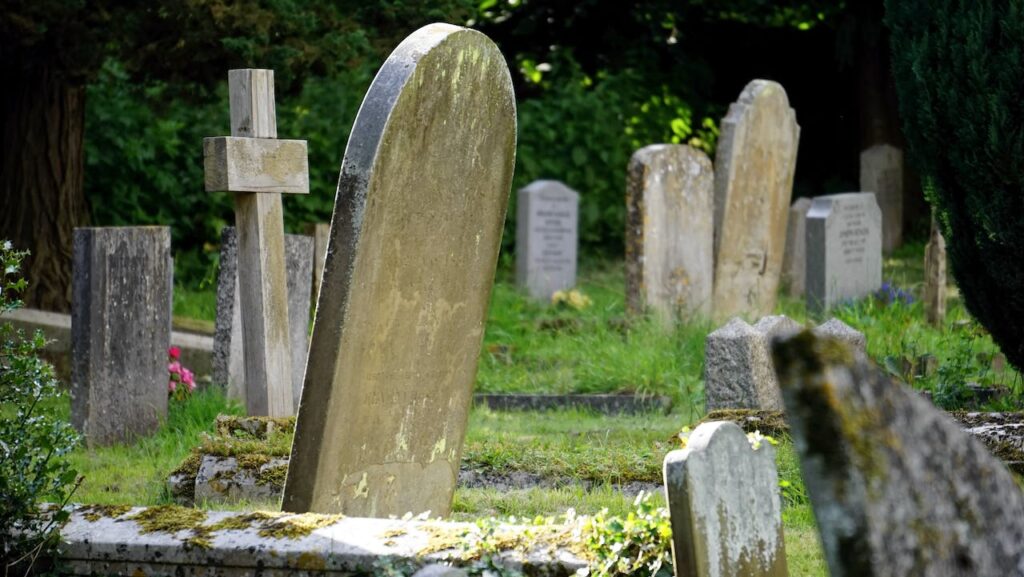
In a significant recognition of Black history, the Black Burial Ground in New York City, which is a final resting place for many, including the iconic Frederick Douglass, has recently been designated as a landmark. This sacred site, tucked away on Staten Island, holds the stories and memories of enslaved people, those who fought for freedom, and countless others who contributed to the rich tapestry of Black culture in America. The landmark designation not only honors those interred there but also serves as a powerful reminder of the ongoing struggle for recognition and justice in our society.
The burial ground, established in the 18th century, is more than just a cemetery; it is a place resonating with history, grief, and resilience. As descendants of the individuals buried there continue to seek acknowledgment of their ancestors’ sacrifices, the landmark status underscores the importance of preserving these spaces. In an era where many historical sites face the threat of erasure, this recognition is a beacon of hope, ensuring that the legacies of those who fought for dignity and equality remain visible for generations to come.
Beyond its physical landscape, the burial ground also hosts a digital archive that allows visitors and descendants to connect with their past, providing access to records and histories that might otherwise be lost. This digital initiative is crucial in fostering a deeper understanding of the lives lived and the struggles faced by those laid to rest. Through the power of technology, we can embrace history and keep the stories alive, ensuring they are not just footnotes in a larger narrative, but integral chapters that shape our understanding of Black heritage in America.
As we reflect on this landmark achievement, let us remember that honoring the memory of Frederick Douglass and others is not merely an act of remembrance but a call to action. It reminds us of the work still to be done in addressing racial injustice and inequities that persist in our society. This landmark designation is a pivotal step toward healing and a reaffirmation that Black history is American history—a legacy that is rich, complex, and deserving of recognition and respect. In commemorating this sacred ground, we also commit to advocating for a future where all voices are heard, and all stories are told.
About The Author