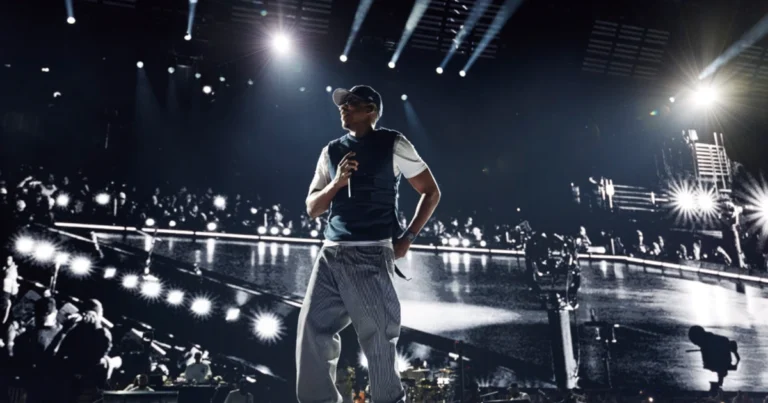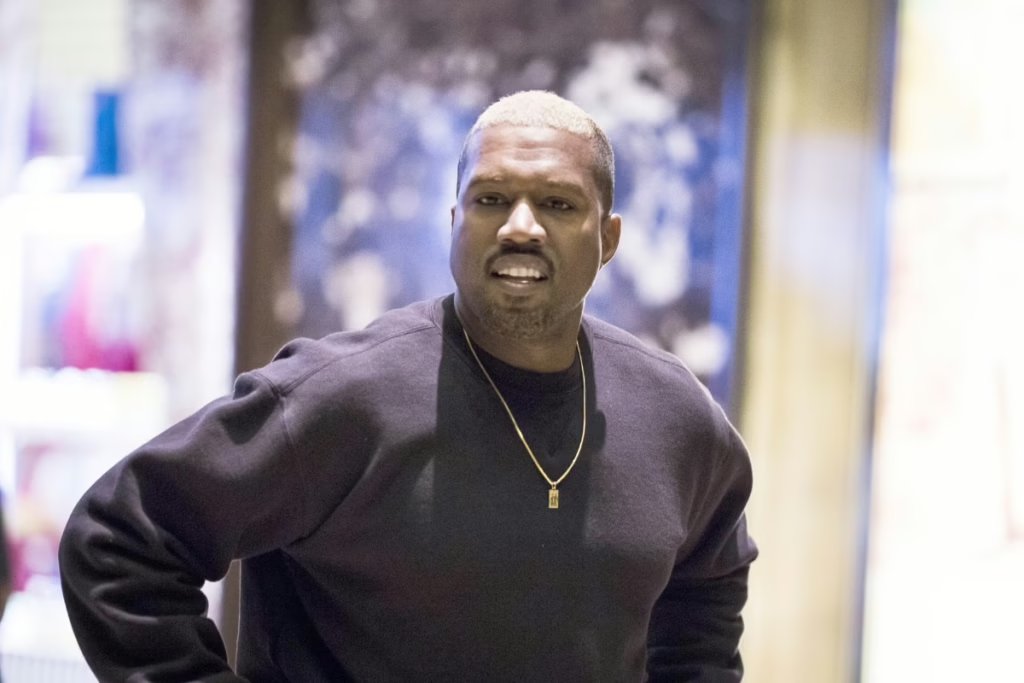
In a move that has surprised many, Ye is set to return to Soldier Field in Chicago this summer, despite facing intense political backlash and cancellations across Europe. His summer stadium tour is shaping up to be one of the most contentious in recent memory, filled with polarizing opinions and growing demands for accountability. Yet, Ye remains undeterred, positioning himself as a provocateur at the center of the cultural conversation.
The backdrop to Ye’s tour is laden with controversy. Following a series of incendiary remarks and actions, several European venues have canceled his performances, citing public safety concerns and a desire to distance themselves from his divisive rhetoric. This backlash hasn’t gone unnoticed in the U.S., where Florida officials have publicly urged for an end to his performances, illustrating the growing tensions between political realities and artistic expression. Nevertheless, Ye’s decision to return to Chicago—a city synonymous with his artistic evolution—signals a bold defiance against the criticisms he faces.
Soldier Field, an iconic venue that has hosted legendary performances, will now serve as the stage for Ye’s complex narrative. Whether viewed as an artist challenging the status quo or a figure grappling with his own demons, his return ignites questions about the role of music in political discourse. Fans and detractors alike will gather, and the atmosphere will undoubtedly be charged with anticipation and skepticism. Can a single performance transcend the weight of controversy, or will it serve as a flashpoint for further debate?
As the summer approaches, all eyes will be on Chicago and Ye’s ability to navigate this tumultuous landscape. In a world where every note and lyric is scrutinized, his return is not just a concert; it is a statement. The stage is set for an unpredictable night, one that promises to explore the intersection of art and activism, leaving audiences to ponder the true power of music in a divided world.
About The Author