By Jasmine Reed, PowerVault Staff
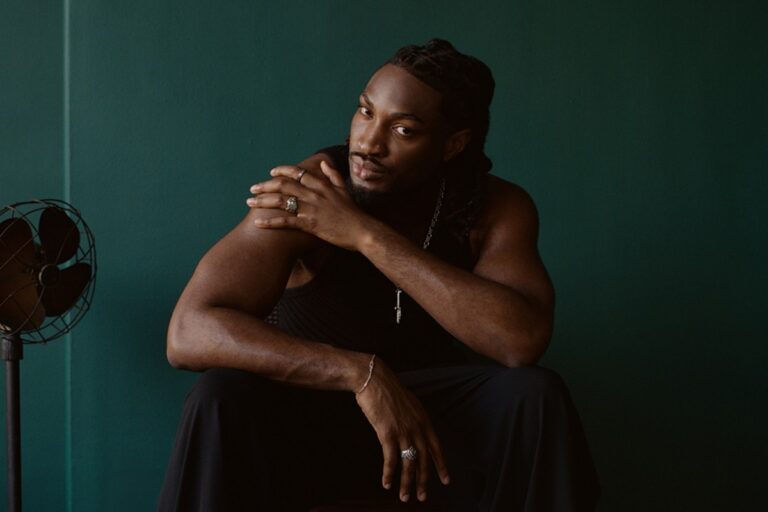
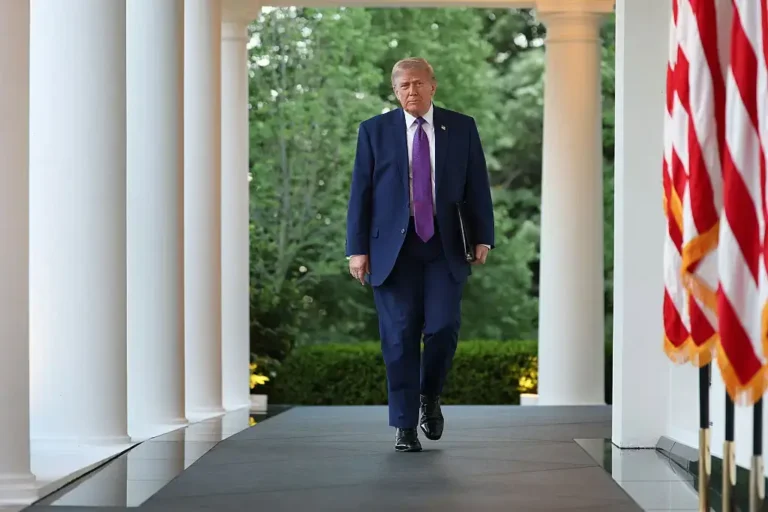
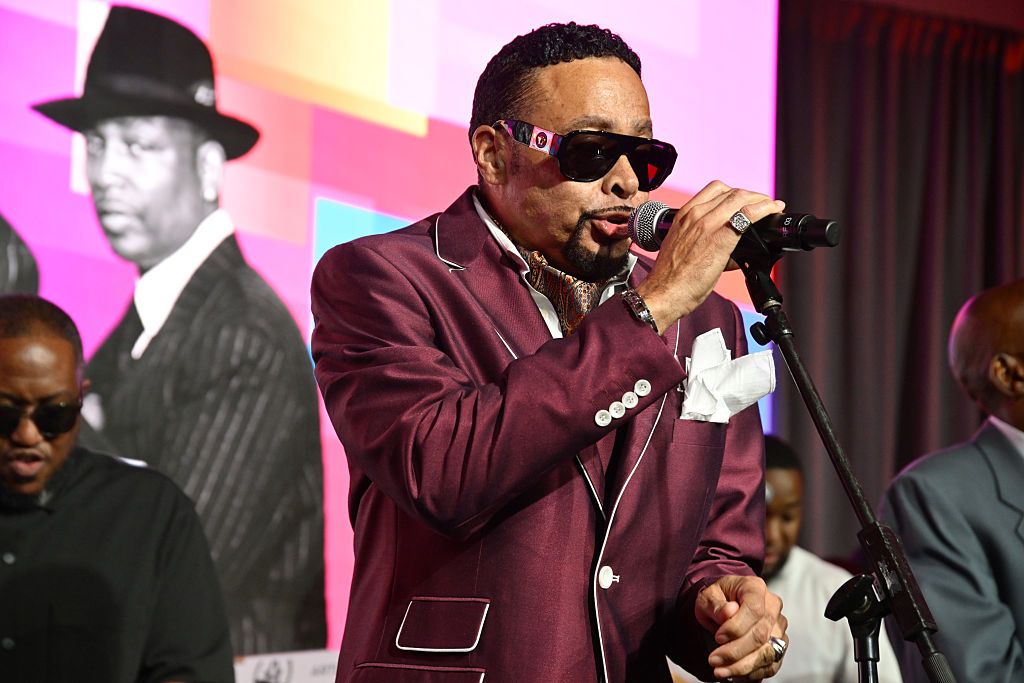
Recent news that hip-hop legends Young MC and Morris Day have opted to withdraw from the Freedom 250 concert in Washington, D.C. speaks volumes about the current climate in the music industry and the responsibilities that come with being a Black artist today. This event, which was positioned as a celebration of freedom and progress, has been overshadowed by the political context in which it was conceived, raising questions about where our artists should stand in relation to figures like Donald Trump.
To understand the significance of these withdrawals, we need to look at the backdrop against which this concert is taking place. The Freedom 250 is a celebration of the 250th anniversary of the founding of the country, and while that might sound like a noble initiative, it is hard to overlook the fact that the same individuals behind this event have a track record of divisive politics and rhetoric that can marginalize communities of color. In a country where Black Americans have long fought against systemic racism, police brutality, and economic disparity, it’s not surprising that artists are cautious about aligning themselves with celebrations that could be seen as endorsing ideologies that contradict their lived experiences.
The decision by Young MC and Morris Day to pull out is not just about a concert; it’s about standing up for a community that has historically been sidelined. Their absence from the lineup sends a clear message that Black artists are no longer willing to be mere entertainment for a political agenda that fails to uplift or acknowledge their voices. This is a powerful assertion of agency in a space that often tries to box in art for the sake of profit and image. As we navigate through a landscape where artists are becoming increasingly aware of their platform, it’s heartening to see them take a stand, prioritizing their integrity and the values of their communities.
This moment is reminiscent of the backlash against the 2016 BET Hip-Hop Awards when certain artists chose to stay silent rather than perform in a politically charged environment. Back then, it was artists like J. Cole and Kendrick Lamar who used their platforms to highlight social injustices rather than just entertain. Fast forward to today, and we’re witnessing a similar shift where artists are becoming more vocal about the implications of their participation in events that are tied to controversial figures. The culture is awakening to the idea that art is political, and artists have a responsibility to their communities that goes beyond entertainment.
As we look ahead, it’s essential for us to pay attention to how these decisions influence not only the artists’ careers but also the broader cultural landscape. The pullout from the Freedom 250 concert is a pivotal moment that signals a shift towards a more conscientious approach to artistry. It’s a challenge to all artists to evaluate their affiliations and consider the messages their choices send. In a world that often tries to silence Black voices, the louder we speak through our actions, the more we empower the next generation to do the same. Expect more artists to take similar stances, prompting fans and the industry to engage in deeper conversations about accountability, representation, and the true meaning of freedom.
About The Author