By Renee Fontaine, PowerVault Staff
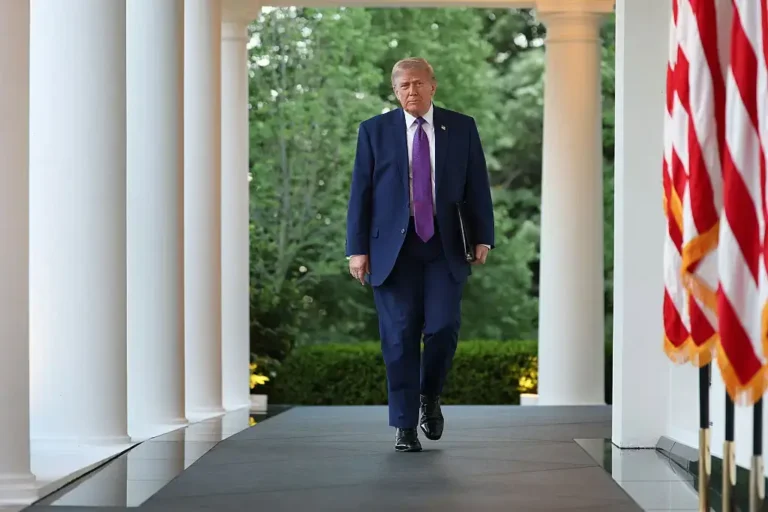
Imagine a scene where the leader of the free world decides to dive into the personal lives of journalists like it’s some sort of reality TV drama. It’s not a stretch for a Trump administration that has often blurred the lines between political decorum and tabloid sensationalism. But when President Donald Trump and his White House team dragged a reporter’s children into the mix just because she asked a tough question, it marked a disturbing low.
In a move that has left many scratching their heads, the Trump administration lashed out at a reporter, involving her children as part of the backlash. The reporter dared to ask a question that seemed to hit a nerve with Trump, provoking a reaction that seemed more suited to a social media feud than a presidential press conference. Yet, it’s not the first time Trump has found himself embroiled in controversy over his treatment of journalists. This time, however, the personal attack struck a new chord by targeting her family.
Political mudslinging is nothing new, but bringing kids into the fray? That’s a whole different level of petty. This incident echoes some of the divisive tactics seen in past political campaigns, where personal attacks are used to discredit and distract. However, when it involves family members unrelated to politics, it crosses an unspoken line of decency. It’s as if the years of hip-hop beefs and industry rivalries have seeped into the very fabric of American politics, where nothing is sacred and everything is fair game.
This raises a larger question about the state of political discourse today. How did we get here? The days when diplomacy and professionalism ruled seem like a distant memory. Similar to how Kanye West’s unpredictable antics often leave fans both amused and bewildered, Trump’s behavior continues to defy traditional political norms.
It’s a tactic straight out of the shock-and-awe playbook, designed to shift the spotlight away from the actual question at hand. In this case, it’s a question Trump didn’t want to answer. But why? What was in that question that rattled the administration enough to warrant such a response? It might be a diversion technique, or perhaps, it’s an indication of something more worrying: a leadership style increasingly reliant on personal vendettas and deflection.
For the culture, this moment is a reminder of the power dynamics at play. While hip-hop artists have long used their platforms to address societal issues and speak truth to power, they’ve also faced backlash for doing so. The White House’s response is akin to the industry pushback artists experience when their message challenges the status quo. Think of how A$AP Rocky’s support from Rihanna shifted narratives and provided strength in a contentious moment.
Furthermore, this latest move by the Trump White House sets a concerning precedent for how political figures might handle tough questions in the future. Does this mean that any question that scratches beneath the surface will be met with personal attacks? For journalists, it underscores the risks of their profession, echoing the challenges faced by those who report on contentious issues, much like DiJonai Carrington’s bold statements that prompted a reevaluation of the WNBA’s treatment of players.
Looking ahead, we must consider the long-term implications of such tactics on public discourse. Will future leaders follow suit, or will this moment serve as a catalyst for change? The cultural community, hip-hop or otherwise, thrives on truth and authenticity. The question remains whether the political arena will learn to value these same principles. As the dust settles, fans of political drama and hip-hop culture alike are left to wonder: Who will stand up to this trend, and what will be the ultimate impact on our society?
About The Author