By Malik Carter, PowerVault Staff
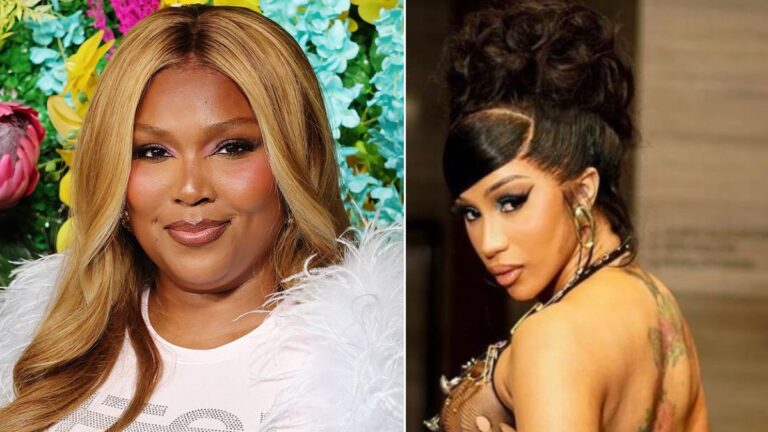
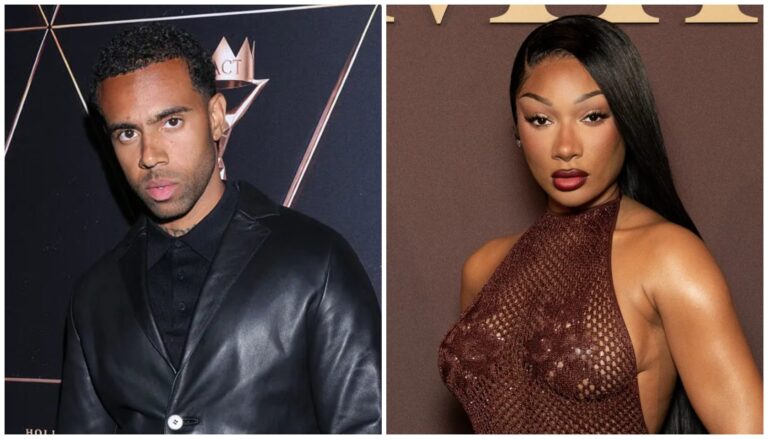
Recently, a wave of notable artists has emerged to publicly oppose the rise of AI-generated music, sparking a critical conversation about the implications of artificial intelligence in the creative realm. Musicians argue that AI threatens the very fabric of artistry, as it mimics voices, appropriates styles, and uses their work without consent. This isn’t just a fight over royalties or credits; it’s about the essence of what it means to create and share cultural narratives that resonate deeply within our communities.
To fully grasp the gravity of this situation, we must consider the historical backdrop of hip-hop’s evolution. Born from struggle, resistance, and an unwavering desire for self-expression, hip-hop has always been about authenticity and the human experience. The genre has consistently served as a platform for voices that are often marginalized, providing a space for storytelling that reflects the realities of Black life. As technology continues to advance and the industry grapples with the rise of AI, we find ourselves at a crossroads where the authenticity that defines hip-hop could be overshadowed by algorithms and machine learning.
The implications of AI encroaching upon music are profound. While technology can undoubtedly enhance creativity and broaden access to tools for aspiring artists, we cannot ignore the potential for devaluation of human artistry. AI music generates tracks that might sound passable but lack the soul, the lived experience, and the cultural significance that only a human artist can bring. This fight is about more than just preserving traditional methods of creating music; it’s about ensuring that the narratives we cherish are not diluted or exploited by faceless technology. It’s a stand against a future where music could become commodified and devoid of the rich cultural context that gives it life.
Looking back, we can draw parallels to the early days of sampling in hip-hop, where artists faced legal battles over the use of snippets and beats that were once exclusive. Creators like De La Soul and Public Enemy fought hard to assert their rights to express their art through borrowed sounds, paving the way for the sampling culture we know today. Fast forward to now, and the battle against AI feels like an echo of that moment. The stakes are higher, and the players have changed, but the fight to maintain the integrity of our art remains constant. History teaches us that when we don’t stand up for our rights, we risk losing the essence of what makes our culture rich and impactful.
As we move forward, it will be crucial for artists, fans, and industry stakeholders to join forces in this battle. The conversation around AI in music is just beginning, and it’s essential to stay informed and engaged. We must advocate for regulations that protect artists’ intellectual property and push back against the commodification of our art. Let’s not allow the soul of hip-hop to be reduced to mere data points or trendy algorithms. As we step into the future, we must demand recognition for the artistry and culture that form the backbone of our community. The fight for what’s rightfully ours begins now, and it’s one we can’t afford to lose.
About The Author