By Marcus Ellison, PowerVault Staff
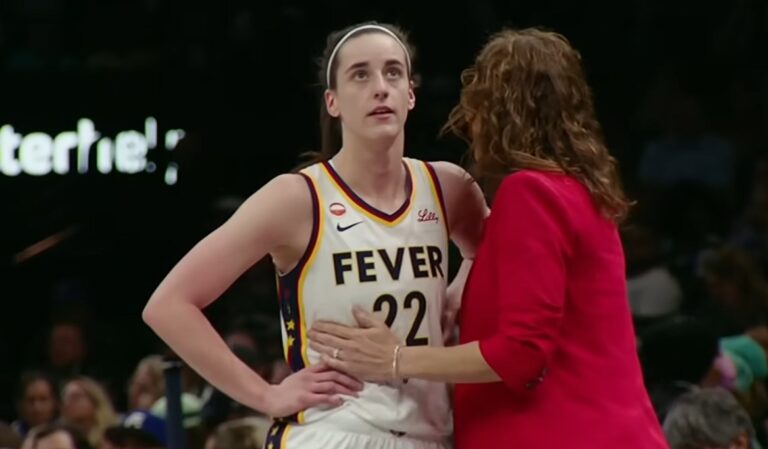
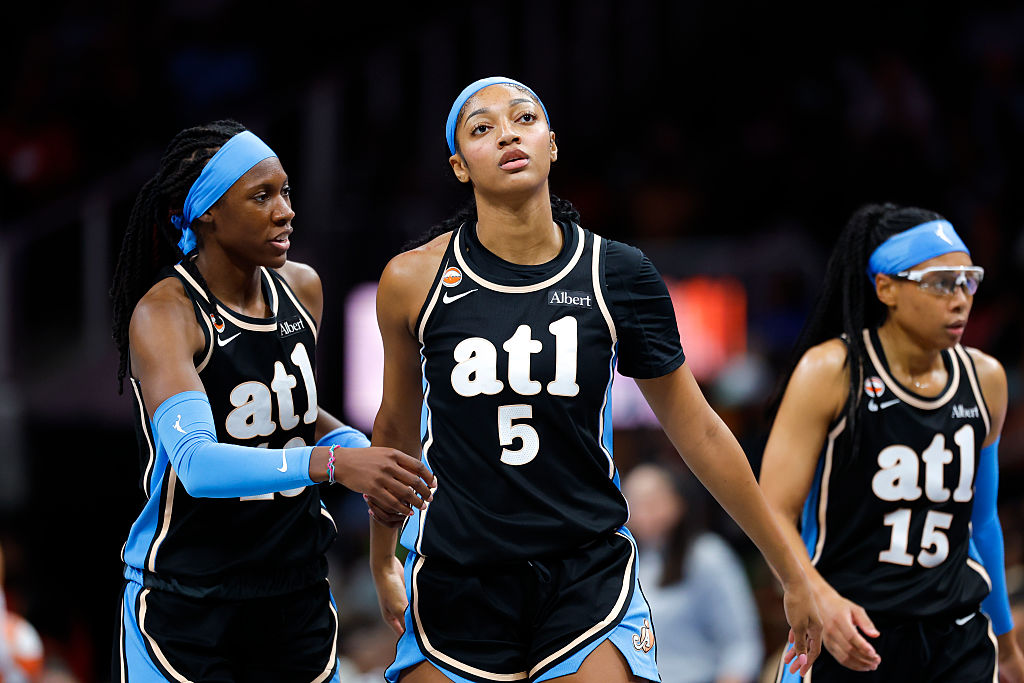
The WNBA is making headlines this week, and it’s not just for the scores and stats. With the final showdown of the Commissioner’s Cup set between the New York Liberty and the Las Vegas Aces, and teams like the Atlanta Dream and Dallas Wings showing they aren’t here to play, the league is stirring up excitement that deserves more than just passing glances. The Dream are soaring higher than they’ve been in years, the young guns in Dallas are lighting up the court, and the stakes have never been higher. As the season heats up, it’s clear that the WNBA is not just a women’s league — it’s a cultural phenomenon that reflects the increasing power and potential of Black women in sports.
For those who might not be following the WNBA closely, the league has undergone a significant transformation over the past few years. Once overshadowed by its male counterpart, the WNBA has embraced its unique identity, showcasing incredible talent and resilience. The influx of young, Black athletes who bring both skill and personality has reinvigorated the league. With players like A’ja Wilson, Sabrina Ionescu, and Kelsey Plum stepping into the spotlight, the league is finally getting the recognition it deserves. This season, the fusion of talent and cultural storytelling has created an environment where fans are not just watching games; they’re rallying behind movements and narratives that resonate with their own experiences.
From the perspective of PowerVault Network, the energy surrounding the WNBA underscores a larger cultural shift towards celebrating Black excellence in sports. More than just athletic competition, the league is a canvas for social justice, empowerment, and representation. With players actively involved in community issues and using their platforms to elevate conversations around race, gender, and equity, the WNBA is not merely a sporting competition but a vital cultural institution. The upcoming Commissioner’s Cup final exemplifies this movement, as it pits two of the league’s most dynamic teams against each other, showcasing the brilliance of Black women athletes in a space that has historically marginalized their contributions.
Looking back, it’s impossible not to draw parallels between the current momentum in the WNBA and the rise of the Black Arts Movement of the 1960s and ‘70s. Just as artists, writers, and musicians used their platforms to redefine narratives and assert their cultural identity, today’s athletes are reshaping their own stories through sport. The way we consume and celebrate these athletes echoes the revolutionary spirit of those who came before them, reminding us that sports can be a powerful tool for change. Just as prominent figures like Maya Angelou and James Baldwin advocated for the representation of Black voices, today’s players are carving out space for their own voices — and the world is taking notice.
As we look ahead to the Commissioner’s Cup final, let’s not forget that the story goes beyond the hardwood. This is a moment for the culture, for the community, and for all of us to recognize the brilliance of Black women. Pay close attention to how this season unfolds, not just in terms of wins and losses, but in how these narratives shape our understanding of race and gender in sports. The WNBA is more than a league; it’s a movement that we should all be celebrating and supporting. So, grab your popcorn and get ready — the future of basketball is bright, and it’s being led by some of the most incredible women in the game.
About The Author