By Jasmine Reed, PowerVault Staff
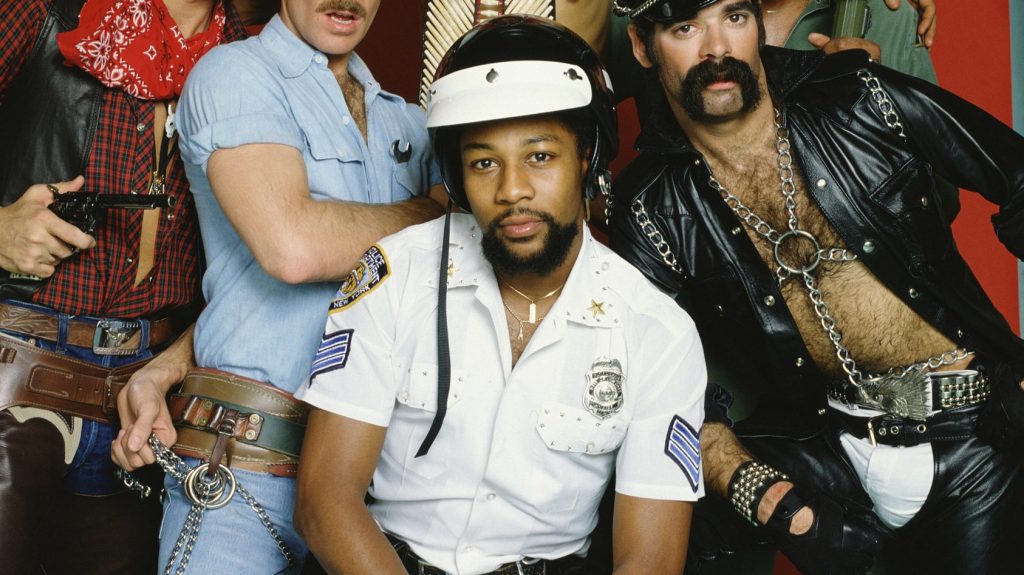
The music world is mourning the loss of Victor Willis, the lead singer of the iconic disco group Village People, who passed away at 74 after a brief but fierce battle with illness. While many will remember him for his infectious energy in classics like “Y.M.C.A.” and “Macho Man,” the legacy Willis leaves behind extends far beyond catchy anthems. He was a pioneer, a cultural touchstone, and a voice for many during an era that saw the intersection of music, identity, and visibility.
Victor Willis was not just a man in a cowboy hat and leather chaps; he was part of a broader cultural narrative that began to carve out space for marginalized communities in the 1970s. The Village People, with their flamboyant personas, were at the forefront of the disco movement, which, though often dismissed as mere escapism, was a vital platform for LGBTQ+ expression and acceptance. Their performances brought together diverse audiences, celebrating individuality and freedom while challenging societal norms. Willis embodied that spirit—his powerful voice and charismatic presence invited people to embrace their true selves on the dance floor.
In a world that often seeks to pigeonhole identities, Willis and the Village People shattered stereotypes with their vibrant celebration of life, love, and community. Their music served as a soundtrack for liberation, resonating deeply within Black and LGBTQ+ communities alike. As we reflect on Willis’s passing, we cannot overlook the profound impact his contributions made on both the disco era and the ongoing fight for visibility and acceptance. His artistry helped to foster a sense of belonging and unity—a value that continues to resonate today, especially in the face of ongoing struggles for social justice.
This moment can be likened to the loss of other cultural icons throughout history, like James Brown or Whitney Houston, who not only defined genres but also challenged the societal norms of their time. Their legacies are a reminder of the power music holds as both a means of expression and a catalyst for change. Just as their passing sparked dialogues about their influence, Willis’s death should ignite conversations about the evolution of disco, its roots in Black culture, and its lasting impact on contemporary music, from hip-hop to pop.
Looking ahead, it will be essential to celebrate the contributions of artists like Willis while also recognizing the ongoing journey for representation in the entertainment industry. His departure opens up space for new voices, yet it also beckons us to engage more deeply with the history of the genres we love. Let’s not forget the lessons learned from these pioneers; they remind us that every beat and every lyric has the power to inspire. As we move forward, let’s carry with us the spirit of celebration and resilience that Victor Willis embodied, honoring his legacy through the music we create, listen to, and dance to.
About The Author