By Simone Walker, PowerVault Staff
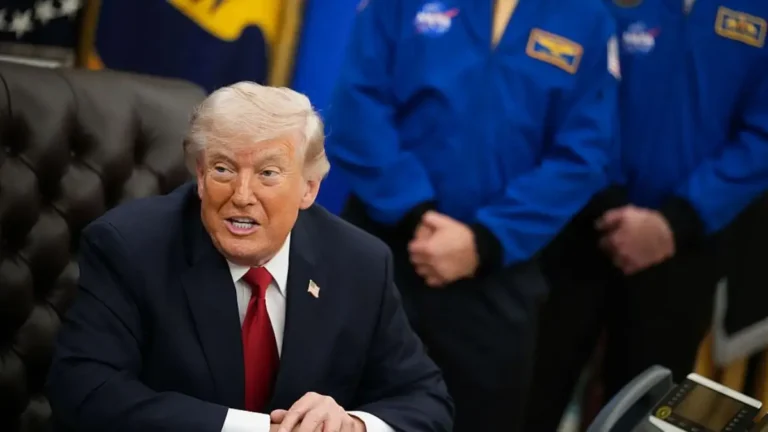
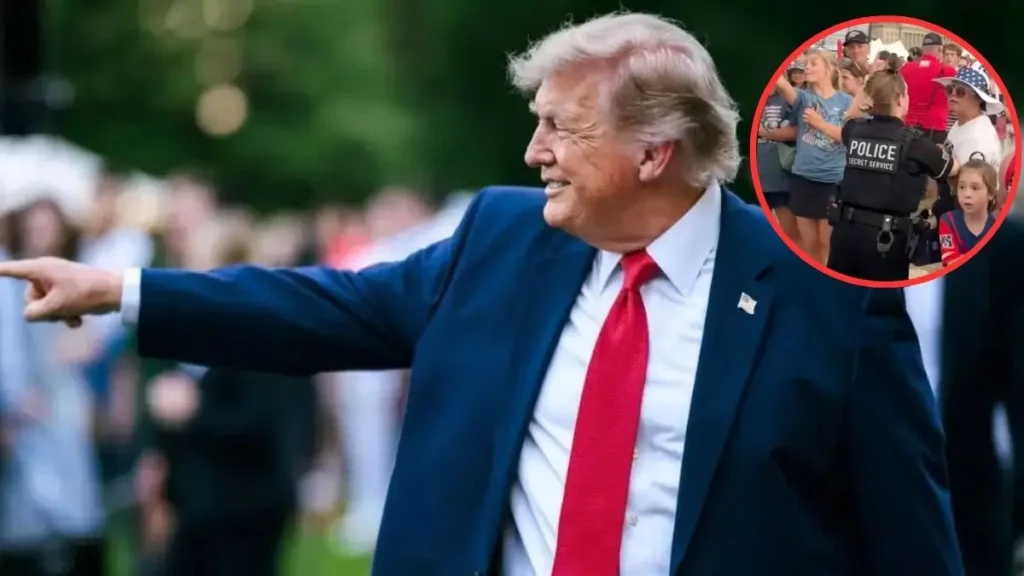
At President Trump’s Fourth of July celebration, what was intended to be a patriotic display quickly spiraled into chaos. As the fireworks lit up the sky, the Secret Service found themselves scrambling to control the crowd, leaving many MAGA supporters visibly shaken and in panic. This was not just a moment of disarray; it was an unsettling reflection of an America grappling with its own identity and the thin veneer of unity that often masks deeper divisions.
To understand the significance of this incident, we need to rewind a bit. Trump’s gatherings have long been a microcosm of America’s political landscape, where fervent support coexists with an underlying tension that can erupt at any moment. The Fourth of July celebration, a symbol of independence and collective pride, has morphed into a battleground for ideologies, where the clash between patriotism and protest breeds an atmosphere of instability. This event, especially amid the backdrop of heightened political polarization, underscores just how precarious our social fabric has become.
For the culture, this episode serves as a stark reminder of how fear can overshadow even the most celebratory occasions. It’s a reflection of a community still wrestling with the ramifications of Trump’s presidency. While his supporters may frame their loyalty as an unwavering commitment to the American dream, the chaos at this event reveals a deeper unease—an acknowledgment that their vision of America is equally threatened by those who oppose it. The masks of bravado worn by MAGA supporters slip when faced with reality, highlighting that, beneath the surface, fear is a powerful motivator that can provoke panic as easily as it can inspire loyalty.
This moment draws parallels to past upheavals during politically charged events, such as the riots following the 2020 presidential election results. In both instances, what was supposed to be a demonstration of strength turned into a reflection of vulnerability. The inability of a crowd, once confident in their ideology, to maintain composure when faced with actual threats reveals a broader trend of fragility within the polarized body politic. It is a reminder that the bravado displayed in the public eye often crumbles when the stakes become real, and that fear, whether from societal pushback or internal conflict, is as potent a force as any rallying cry.
Looking ahead, we must consider what this chaotic spectacle signifies for our nation’s trajectory. As the political landscape becomes increasingly volatile, what will it take for us to confront the fissures that separate us? The upcoming elections will be crucial in determining whether we find a path toward healing or if we slip further into these chaotic, fear-driven gatherings that threaten to drown out the voices advocating for unity and justice. For those of us in the culture, the challenge lies in harnessing our collective power to push back against division, ensuring that our narratives are not overshadowed by fear but instead fuel a movement toward true empowerment and solidarity. This is the moment to focus on building bridges, not walls, as we navigate these tumultuous waters.
About The Author