By DeShawn Price, PowerVault Staff
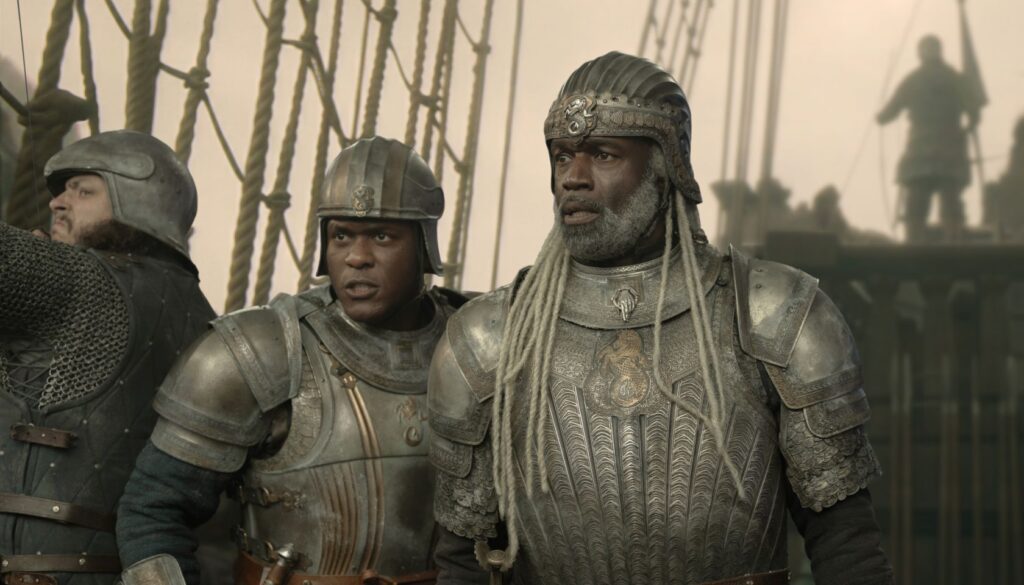
In a refreshing twist to the epic saga beloved by millions, the prequel series ‘House of the Dragon’ is stepping up to the plate when it comes to representation, showcasing Black characters among the chaos of Westeros’ political intrigues. This evolution isn’t just a blip on the screen; it’s a vital part of the ongoing conversation about diversity in fantasy storytelling. The show’s creators recognize that the realms of dragons and knights are not limited to the pale-skinned depictions of yore. This progress has sparked lively debates about what it means for the genre, and how fantasy should evolve to reflect the rich tapestry of humanity.
To understand the significance of this shift, we must look at the historical context of fantasy narratives, particularly those rooted in European mythology. For generations, Black characters have been relegated to the sidelines or painted with the broad, often stereotypical brushes of magical realism and servitude. In stark contrast, ‘House of the Dragon’ breaks this mold, allowing Black characters to tread the earthy, blood-stained pathways of power, betrayal, and ambition, much like their white counterparts. This reimagining is essential, contributing not only to the narrative richness of the series but also to the broader acceptance of diverse storytelling in a genre that has often shunned it.
For the Black community, this inclusion has monumental implications. It’s more than just seeing a familiar face on-screen; it’s about acknowledging our own place within expansive narratives that have historically excluded us. When we see characters like Princess Rhaenyra Targaryen, played by Milly Alcock and Emma D’Arcy, alongside actors of color, it evokes a sense of belonging that many of us have longed for in popular culture. We’re not just supporting a show; we’re witnessing a cultural shift wherein our stories and our complexities are recognized and celebrated. This isn’t merely a trend; it’s an assertion of our narrative right.
Looking back, we can draw parallels between this moment and the game-changing impact of ‘The Fresh Prince of Bel-Air’ in the ’90s. That sitcom didn’t just present Black life in a comedic light; it reshaped perceptions and expanded the horizons for future Black stories in television. Similarly, ‘House of the Dragon’ is poised to do more than entertain; it has the potential to reshape the landscape of fantasy by inviting diverse voices to participate in storytelling. It challenges creators to step outside the confines of tradition and embrace a more inclusive vision.
As we move forward, it’s crucial to keep an eye on how these narratives develop. Will the success of Black characters in mainstream fantasy lead to more inclusive casting across different genres? Will writers and creators take the leap to diversify characters in ways that reflect real-world complexities? The stakes are high, and the audience is vocal. In the realm of fantasy, where dragons soar and legends are born, so too must the stories represent the full spectrum of our experiences. ‘House of the Dragon’ is not just a show; it’s a statement, and it opens the door for a future where our stories run wild, just like the dragons themselves.
About The Author