By Renee Fontaine, PowerVault Staff
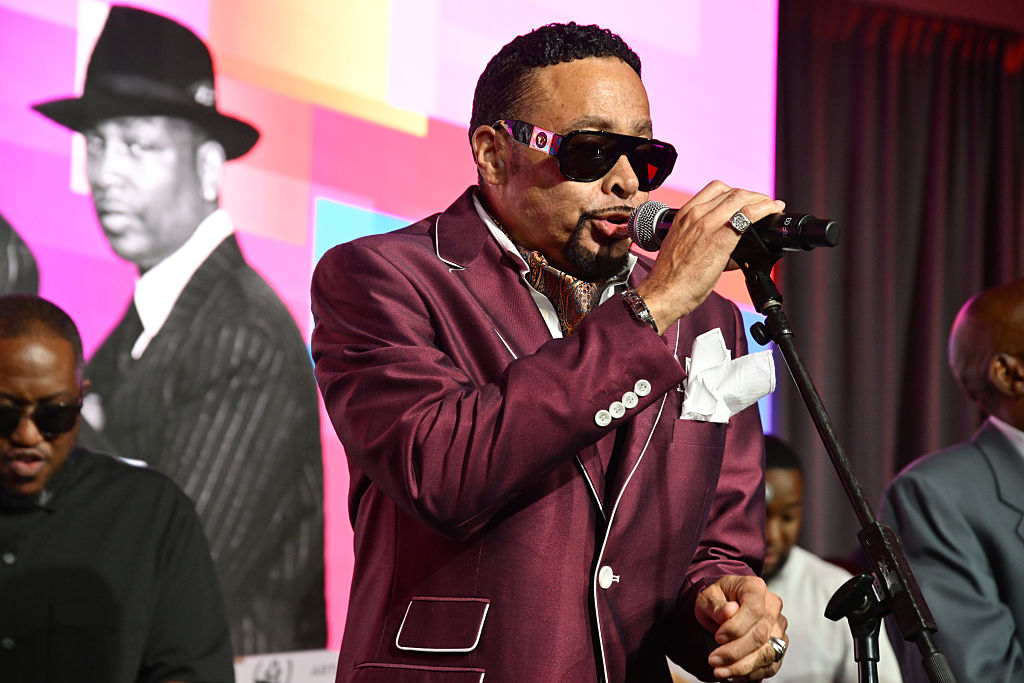
In a bold and necessary stance, both Young MC and Morris Day have decisively pulled out of the Freedom 250 concert, a musical event slated for next month in Washington, D.C., which has been tied to former President Donald Trump. Their departures signal a deeper reflection on the responsibilities artists carry in a politically polarized society and set a precedent for how Black artists choose to navigate affiliations that could tarnish their legacy or contradict their values.
The Freedom 250 concert is designed to commemorate the anniversary of the signing of the Emancipation Proclamation. However, the event’s association with Trump, a figure whose policies and rhetoric have frequently marginalized and attacked Black communities, sparked outrage and concern among artists and fans alike. It’s hard to celebrate freedom when the event is centralized around a man who has shown little regard for the dignity and humanity of Black people. In this political climate, opting out of such an event is not merely a personal choice; it becomes a public statement about where one stands on the issues that matter to the community.
For Black artists, the ramifications of participating in politically charged events can resonate deeply within their communities. Young MC and Morris Day’s withdrawal is not just about the Freedom 250 concert; it reflects a broader commitment to authenticity and accountability in the music industry. Artists are increasingly recognizing that their brand is intertwined with their beliefs, and aligning with figures who have historically undermined the struggle for civil rights can have long-lasting effects on their legacy. This moment represents an awakening—a collective understanding that music is not just entertainment; it is a platform for activism and change.
We’ve seen similar moments in the past when artists have taken a stand against a capitalist system that benefits off their labor while simultaneously oppressing their communities. Think back to 2016 when many artists publicly boycotted the Super Bowl due to Colin Kaepernick’s treatment, making a choice to stand in solidarity against racial inequality. Just as Kaepernick’s protest ignited discussions about the intersection of art, activism, and politics, Young MC and Morris Day’s choices are a testament to the power of refusing to be complicit in events that undermine the very essence of freedom.
As we look ahead, it will be essential to watch how the music industry continues to respond to the political landscape. Will more artists follow suit and protect their integrity, or will they see dollar signs and choose otherwise? The Freedom 250 concert serves as a critical moment for reflection—not just for performers but for audiences, too. We must engage in conversations about what we value and who we support, ensuring that our cultural icons align with our aspirations for justice and equality. The actions of Young MC and Morris Day may very well inspire a new wave of artist activism that prioritizes community over profit, a trend that could redefine what it means to be a Black artist in today’s world.
About The Author