By Renee Fontaine, PowerVault Staff
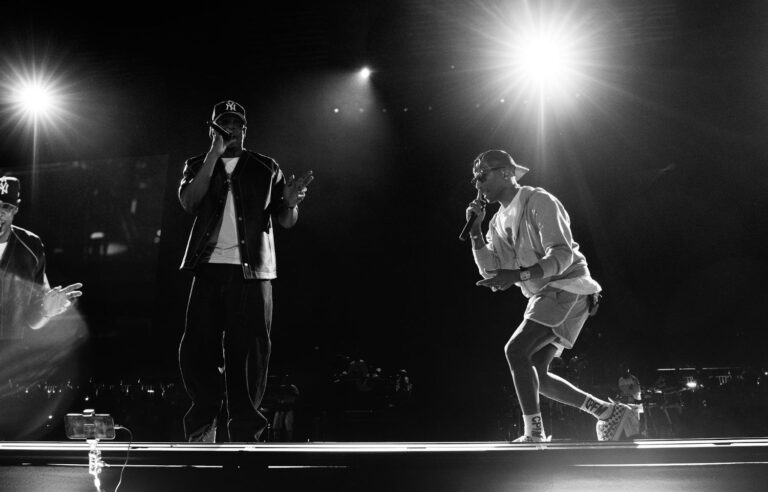
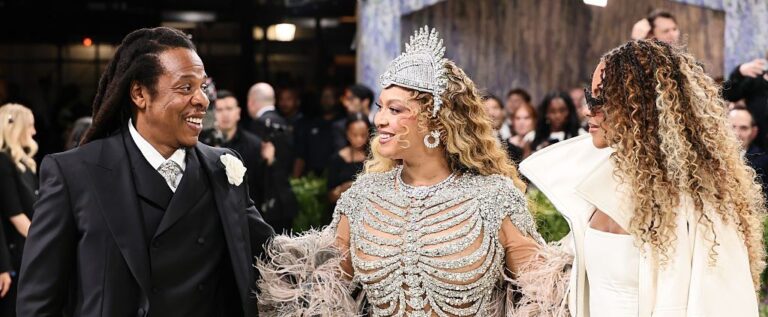
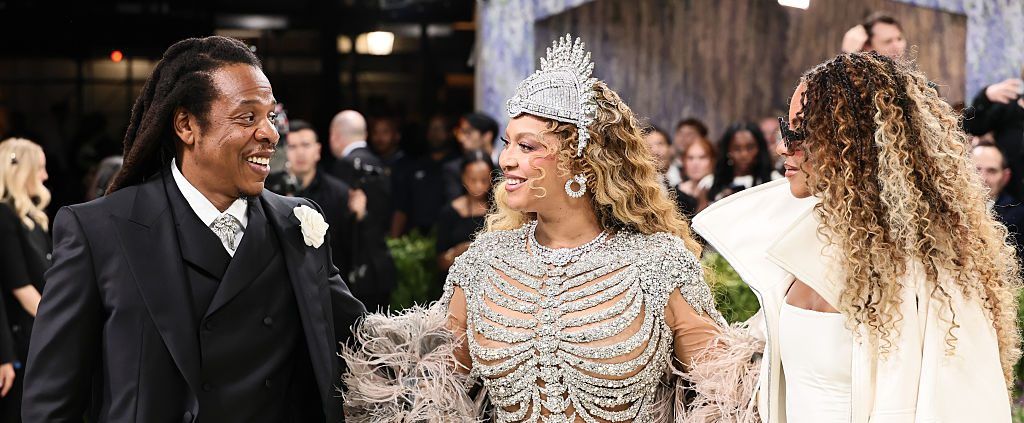
As the lights dimmed over Yankee Stadium, the air crackled with electricity, heralding the arrival of one of hip-hop’s greatest legends, Jay-Z. The kickoff of his 30th concert series was a night to remember, not just for the nostalgic hits but for the undeniable presence of family as Beyoncé graced the stage and Blue Ivy showcased her budding musical talents. It was more than a concert; it was a powerful statement about legacy, family, and the evolution of Black art.
To fully appreciate the magnitude of this event, one must first recognize Jay-Z’s journey. From the Marcy Projects to becoming a multi-billionaire mogul, he has not only redefined what it means to be a successful artist but has also carved a path for future generations. This concert series isn’t just a celebration of his greatest hits but a commemoration of his profound impact on hip-hop culture and the music industry as a whole. It reminds us of the grit and determination that underpins our community’s success stories—resilience in the face of adversity.
What Jay-Z did with night one of his concert series was weave together personal history and cultural narrative. Beyoncé’s surprise appearance reminded us that, together, the Carters have become a symbol of Black excellence and creativity. Her presence on stage, bopping to “Can’t Knock The Hustle,” wasn’t just a marital moment; it was an embodiment of the symbiotic relationship between their artistic legacies. Their partnership is a blueprint for collaboration in an industry that often pits artists against one another. It serves as a reminder that unity can amplify impact, especially when it comes to elevating Black voices in spaces historically dominated by others.
As we reflect on this moment, it’s impossible not to draw parallels with past musical milestones. Think back to legends like Marvin Gaye performing at the height of the civil rights movement or Prince’s ability to push boundaries while simultaneously uplifting the Black community. Jay-Z’s concert series is another chapter in this ongoing narrative of star power being used not just for entertainment but as a platform for change, and we can see how the baton is being passed down through generations. Blue Ivy’s piano interlude was not merely a charming moment; it was a signal that the next wave of talent is already in the wings, ready to step into the limelight.
Looking ahead, we must keep our eyes on the rest of the concert series. Each performance is likely to offer fresh insights into Jay-Z’s evolution as an artist and a man. Will he bring out more surprise guests? How will he address the current state of hip-hop culture, especially in the context of the ongoing struggles facing Black communities? The possibilities are endless, and the stakes are high. This series is more than just music; it’s a celebration of our culture and a reminder of what we can achieve when we celebrate our history while boldly stepping into the future. Jay-Z’s 30th anniversary is not just his milestone; it’s ours too.
About The Author