By Renee Fontaine, PowerVault Staff
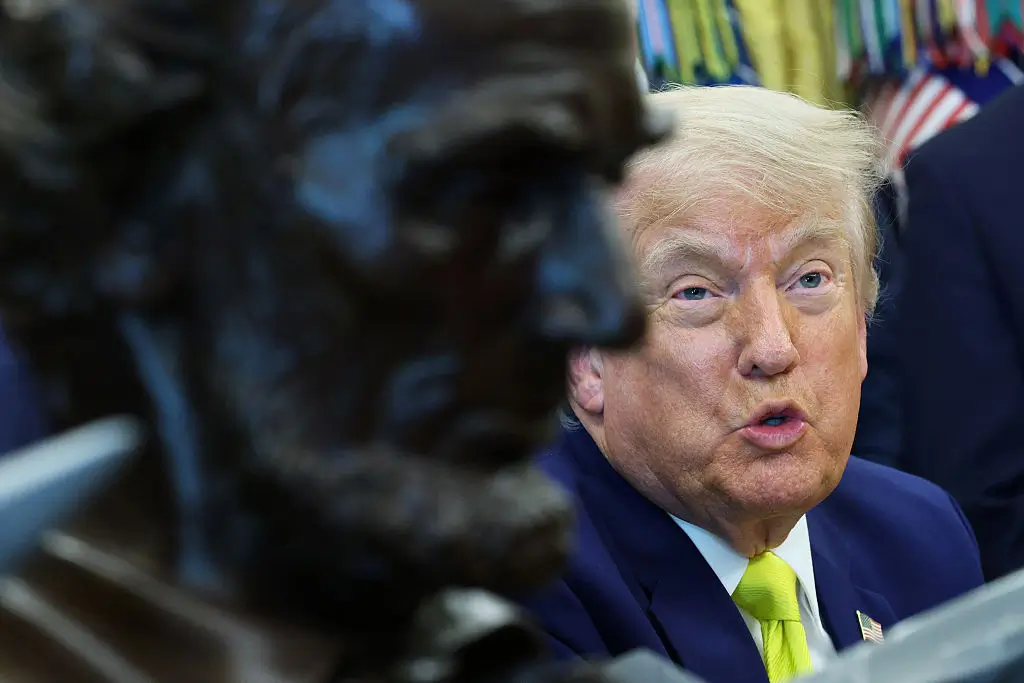
In a recent report, a vivid scene unfolded within the walls of the Oval Office as former President Donald Trump allegedly flew into a rage, hurling a computer after a phone call went south. Ketchup dripping down the wall became an unexpected metaphor for the chaos that often seems to follow Trump wherever he goes. This visceral reaction isn’t just a testament to his short fuse; it’s a glimpse into the volatile nature of leadership in our current political climate.
To understand the weight of this moment, we have to look beyond the headlines and consider the context in which this eruption occurred. Trump’s presidency was characterized by a series of explosive moments, often fueled by frustration and impulsiveness. His inability to manage crises or accept criticism has been well-documented, but what does it say about the broader implications of his approach to governance? It raises a larger question about how anger and aggression can shape political discourse, particularly in a country that is already grappling with division and unrest.
For the Black community, these outbursts are not merely a spectacle; they are indicative of a deeper issue within leadership and power dynamics. When we see a leader throwing tantrums instead of engaging in constructive dialogue, it reinforces the notion that emotional maturity is not a prerequisite for holding office. It reflects an unsettling trend where authority is derived from chaos rather than compassion, and trust is sacrificed for the theatrics of confrontation. This is particularly significant for Black Americans, who have historically faced the brunt of ineffective leadership and the systemic fallout that comes with it.
Looking back at similar moments, one can draw parallels to the public outrage following the devastation of Hurricane Katrina. Leaders failed to act decisively, allowing frustration to fester among the communities most affected. Both incidents demonstrate how the absence of accountability and responsibility can lead to angry outbursts and disconnected leadership. Yet, while Katrina was a natural disaster revealing the cracks in governmental infrastructure, Trump’s rage is a product of an individual who seems to be overwhelmed by the very responsibilities he sought.
As we move forward, it’s crucial to watch how this narrative unfolds in the coming months. Will we see a shift in how politicians respond to adversity? Or will the cycle of chaos continue to dominate our political landscape? The bigger picture lies in the hands of the electorate. We have the power to demand leaders who embody a different kind of strength—one rooted in empathy and cooperation rather than explosive anger. The future of our communities depends on it.
About The Author