By Tanya Brooks, PowerVault Staff
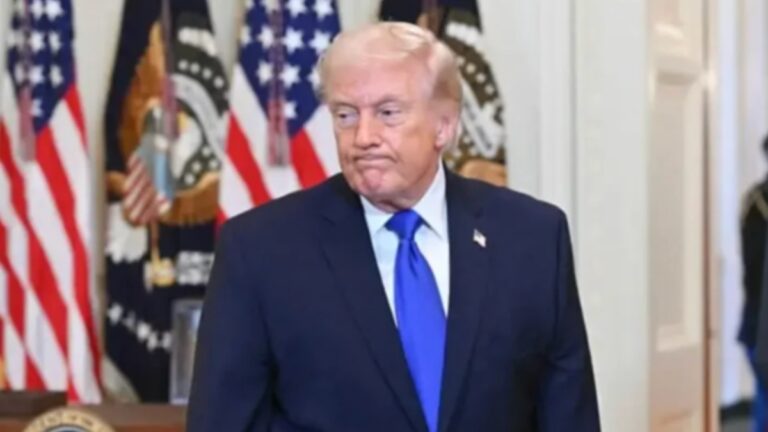
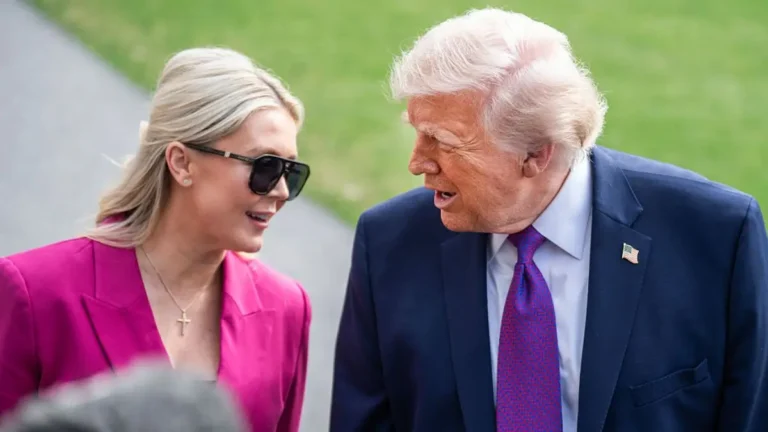
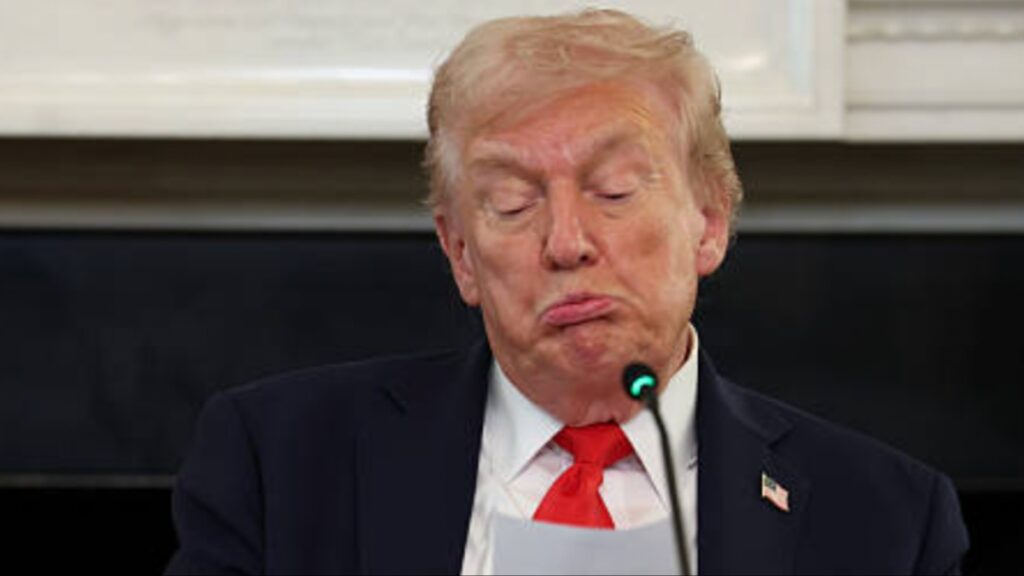
In a recent White House event that felt more like a stand-up routine gone wrong, former President Donald Trump attempted to mock Democrats by claiming they invented a key economic term. The punchline? It didn’t land; instead, it flipped back on him, exposing not just his misunderstanding but the fragility of his narrative. As the internet erupted in laughter, it became clear that Trump’s attempts at political humor often fall flat, but this time his misstep resonated deeper than just a misplaced word.
To understand this moment, we must consider the context in which it occurs. The political landscape is rife with tension as economic issues increasingly dominate the national conversation. Inflation, job security, and affordability are more than just buzzwords; they are crucial concerns for American families, especially within our communities. When leaders fail to grasp or respect these topics, it highlights a disconnect that can be both comical and troubling. Here, Trump wasn’t just being ‘breathtakingly stupid,’ as one critic put it; he was demonstrating a lack of awareness regarding the very real struggles that everyday Americans face.
For us at PowerVault, this incident reflects a broader truth about representation in politics. When leaders like Trump misspeak about policies that directly impact marginalized communities, it underscores the need for informed voices in positions of power. The economic struggles facing our communities often get sidelined in political discourse, and the absence of genuine understanding from those in leadership can lead to mockery rather than meaningful dialogue. This moment forces us to reckon with the idea that our leaders should be equipped not only with knowledge but also with empathy, especially in matters that hit close to home.
Looking back, this isn’t the first time a political figure has stumbled dramatically in public. Think of George W. Bush’s infamous verbal gaffes or even Sarah Palin’s ill-fated attempts at geography. The difference now, however, lies in the immediacy of social media, where such flubs can be dissected and shared across platforms in seconds. In Trump’s case, he has built an entire brand on bravado and mockery, yet here he stands, the butt of the joke, revealing the thin line between confidence and ignorance.
As we move forward, it’s essential to watch how this incident plays out in the political arena. Will Trump continue to double down on his brand of humor, or will this serve as a moment of self-reflection? More importantly, how will the electorate respond to a leader who can’t seem to connect the dots between political banter and the lived realities of millions? In a time where authenticity is paramount, this blunder may serve as a wake-up call for politicians to engage more genuinely with the issues that matter to us. In the end, laughter can be a healing balm, but it can also be a revealing mirror, showing us who our leaders truly are — or aren’t.
About The Author