By Renee Fontaine, PowerVault Staff
As we reflect on Black History Month 2026, it feels like we owe our ancestors a formal apology, or at least a refund. This year has been marked by a cacophony of cultural missteps, from the overt racism displayed by political figures to the tragic erasure of celebrated Black icons like a beloved figure skater. The festive spirit that should accompany our 28 days of recognition feels overshadowed by a sobering reality that begs us to consider how far we’ve come—and how far we still have to go.
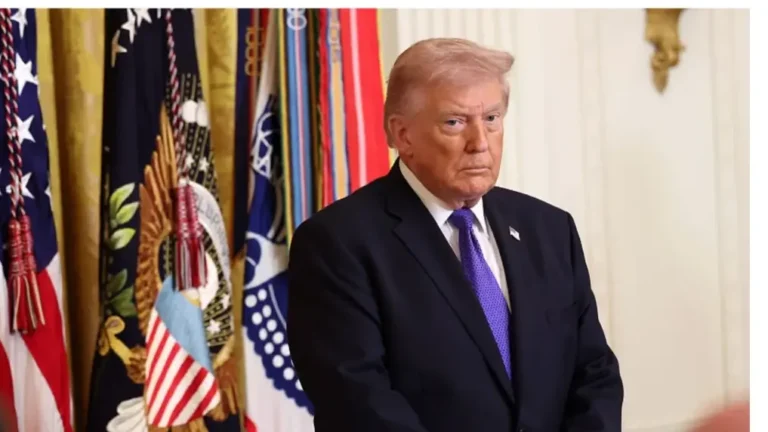
Every February, we gear up to celebrate our history, the struggles and triumphs that have shaped Black lives in America. But genuine acknowledgment is quickly replaced by performative gestures that often fail to engage with the deeper societal issues at play. With high-profile figures like Donald Trump reminding us how easily backlash can replace dialogue, it’s hard not to feel disheartened. The sidelining of beloved Black athletes, artists, and thinkers reflects a troubling trend: the very essence of Black culture is consistently undermined, misrepresented, or forgotten. This isn’t just an issue of visibility; it’s about respect, a fundamental acknowledgment of our contributions and narratives.
What does this mean for our culture? It’s a call to action. Black History Month should serve not just as a reminder of our past, but as a springboard for future endeavors. The battles for representation, cultural sensitivity, and respect continue beyond February’s end. Our community must demand more substantial conversations around Black excellence and legacy, challenging narratives that sideline our stories. This year, let’s not just celebrate; let’s engage, educate, and advocate. We owe it to ourselves and to the ancestors who fought tirelessly for their voices to be heard.
Looking back, we can draw parallels between this moment and the early 2000s when Black artists and activists also faced erasure in mainstream media. Whether it was the struggle for musical representation in mainstream awards or the fight against stereotypes in cinema, the patterns of neglect and distortion have historically been all too familiar. Each time we find ourselves at this junction, we must ask why, despite decades of advocacy, the same issues continue to plague us? The answer lies in a systemic unwillingness to fully embrace the richness of Black culture; a refusal to invest in giving us the platforms we deserve.
As we look ahead into the coming months and years, we need to shift the narrative from mere celebration to one of sustained action and accountability. What does it look like to redefine Black History Month? Perhaps it’s time to push for a movement that extends beyond February, creating spaces for authentic representation all year long. Our history is not a seasonal engagement; it’s a living, breathing testament of resilience. So let’s ensure that the lessons of our past are not only remembered but energized, paving the way for a future where our stories are no longer optional, but integral to the American tapestry.
About The Author