By Jasmine Reed, PowerVault Staff
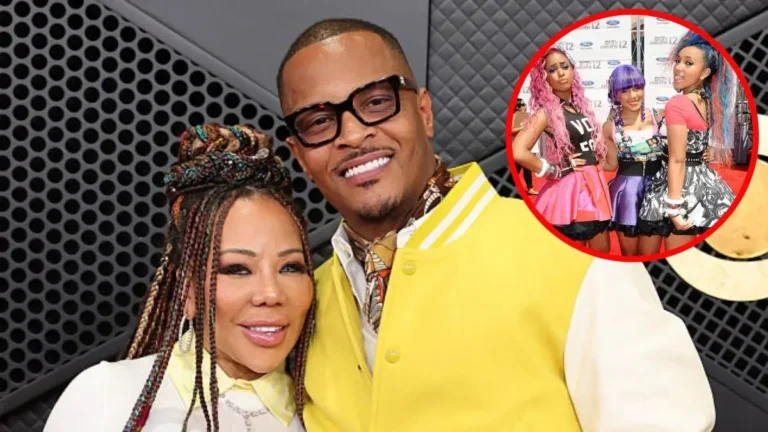
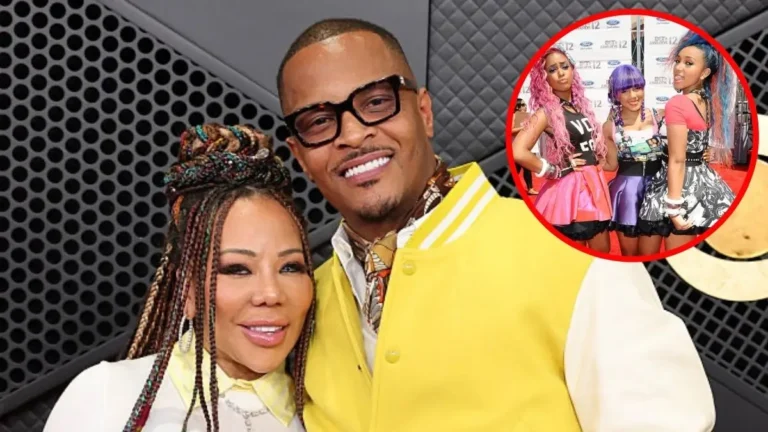
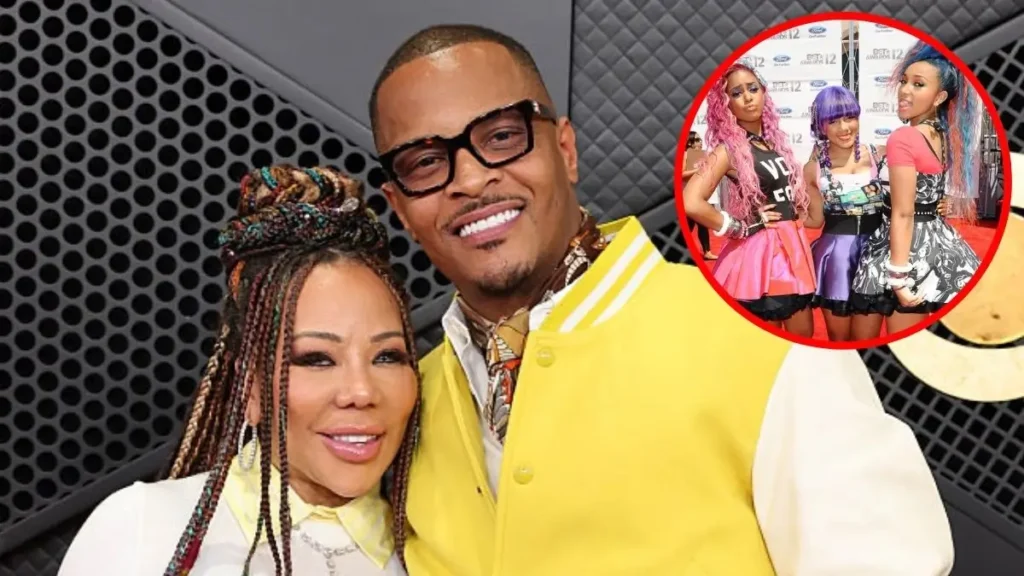
In a shocking turn of events, T.I. and Tiny are gearing up for a courtroom showdown after a judge dramatically slashed a $53 million award for the OMG Girlz to just $1. This legal battle is about more than just dollars and cents; it represents the ongoing struggle for artists and creators to have their voices and ideas valued in an industry that often treats them like disposable commodities. As T.I. and Tiny prepare to appeal, they underscore a crucial point: this isn’t just about them—it’s about every creator fighting for their worth in a system that frequently fails to recognize their contributions.
To fully grasp the gravity of this situation, we need to look back at the genesis of the OMG Girlz. Formed in 2010, this girl group was a groundbreaking venture aimed at providing a platform for young women in hip-hop, celebrating their talent in an industry that predominantly showcases male artists. T.I. and Tiny, as founders, poured their time, energy, and resources into nurturing these emerging artists. So when a judge dismissed their rightful claim to compensation over alleged intellectual property infringement, it was more than a financial blow—it was an attack on the integrity of Black creativity and entrepreneurship.
This case isn’t just about one couple’s fight for justice; it is a stark reminder of the precarious nature of ownership in creative industries, especially for Black artists. The message here is frightening: creators operate in a system that is predisposed to devalue their work. T.I. and Tiny’s refusal to let this decision stand is a rallying cry for a community that so often finds itself on the losing end of negotiations, forced to navigate a landscape that historically undermines Black creativity. This is a warning signal for all creators: if you don’t stand up for your rights, who will?
This isn’t the first time we’ve seen artists battling for their dues. Consider the very public disputes of Prince, who famously fought against music industry giants for control over his own name and catalog. His struggle highlighted the lengths to which artists must go to reclaim their autonomy and ensure their legacies are preserved. T.I. and Tiny’s situation echoes Prince’s fight, reminding us that the conversation around intellectual property and creative ownership remains as urgent as ever.
Looking ahead, all eyes should be on this trial. The outcome could set a precedent that ripples throughout the industry, potentially impacting how contracts are formed and how creators are compensated. As T.I. and Tiny dig in for this fight, their stance could inspire a wave of solidarity among artists, pushing for reform in outdated practices that undervalue the contributions of Black artists. Their tenacity is a beacon of hope that perhaps, just perhaps, the tides are turning in favor of those who create art rather than just consuming it.
About The Author