By Tanya Brooks, PowerVault Staff
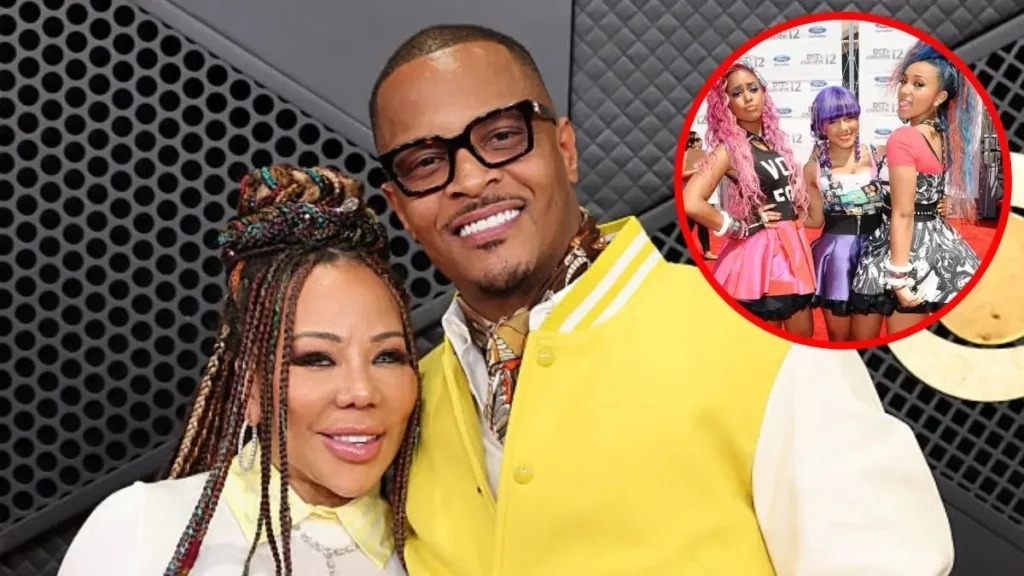
In a shocking twist of events, T.I. and Tiny are once again stepping into the courtroom, not just for themselves but for every creator out there who has ever felt their work was undervalued. After a judge slashed the OMG Girlz’ $53 million award down to a mere $1, the couple is refusing to back down, pushing back hard against a system that seems rigged against artists. This legal battle is about more than money; it’s a larger commentary on the state of artists’ rights in the hip-hop industry and beyond.
The roots of this case run deep. The OMG Girlz, a girl group launched by T.I. and Tiny, was a product of their vision for promoting young Black talent in music. Yet, the abrupt reduction of their award raises an unsettling question: What is the true value of creative work in a landscape where artists struggle to maintain ownership and reap the fruits of their labor? This isn’t just a moment of monetary loss; it’s a painful reminder that the creative contributions of Black artists are often minimized in a system that has historically exploited their talents.
What this situation reflects is a disturbing trend within the entertainment industry—one where creators are frequently denied fair compensation for their ideas and innovations. In a world where Black culture often drives mainstream trends, it’s disheartening to see the very architects of those trends being stripped of their rights. T.I. and Tiny’s refusal to accept this injustice is not just a battle for their own pocketbooks; it’s a stand against a system that often overlooks the actual creators in favor of corporate interests. It’s about taking a stand for every artist, designer, and visionary who has been forced to watch as their work is commodified and watered down.
Similar moments have echoed throughout hip-hop history. Think back to the bitter legal battles faced by artists like Prince and TLC, who fought just as fiercely for their intellectual property and creative integrity. The industry’s history is replete with examples where the voices of Black artists have been marginalized, where their genius has been appropriated, and where they have been left with little more than a pittance while corporations cash in on their artistic vision. T.I. and Tiny’s case is yet another chapter in this ongoing struggle, but perhaps it’s time for the narrative to shift.
As we look forward, this situation invites us to consider the broader implications for the future of creativity in hip-hop and the arts. The fight is not just about regaining financial compensation; it’s about setting a precedent. The outcome of this case has the potential to signal to future artists that they deserve respect, fair treatment, and ownership of their work. T.I. and Tiny are not just fighting for themselves—they are fighting for a future where artists can thrive without fear of devaluation. The world will be watching closely, and perhaps this will inspire a movement among creators to demand more and advocate for their rights unapologetically. In the end, justice for T.I. and Tiny could mean justice for all.
About The Author