By Marcus Ellison, PowerVault Staff
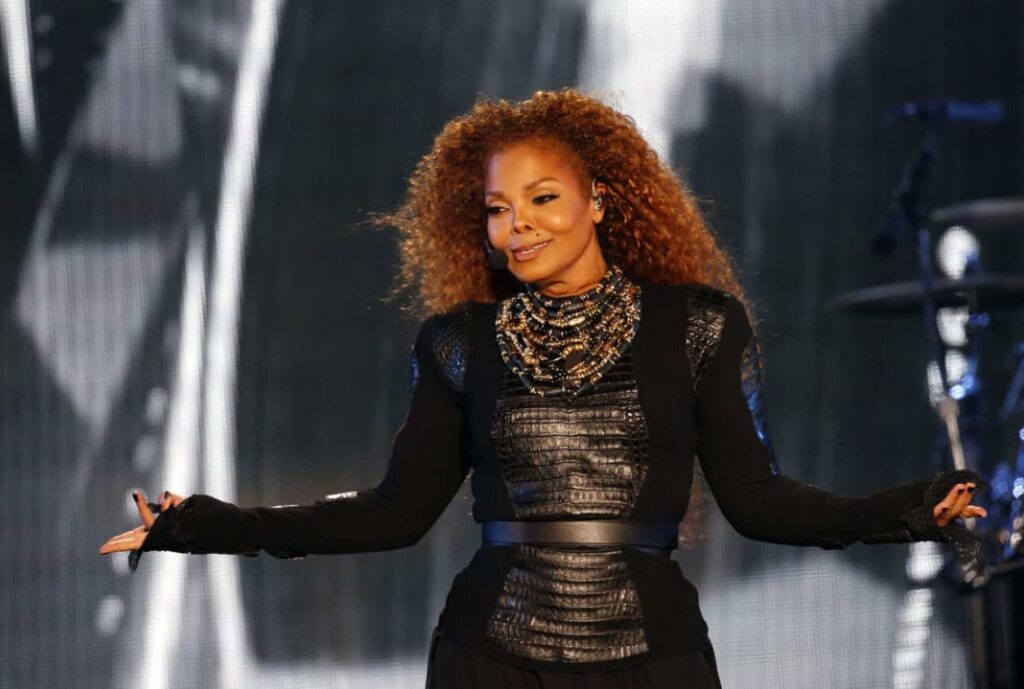
Janet Jackson recently made headlines for her decision to sit out the new biographical film focused on her late brother, Michael Jackson, choosing instead to pay tribute to her own solo era. While she attended an event honoring her contributions to music, her absence from Michael’s narrative is a poignant reminder of the complexities that exist within familial bonds in the music industry. This moment feels especially charged, given the weight of Michael’s legacy and the profound impact he had on pop culture. But it also illuminates Janet’s own journey as an artist navigating her identity beyond being the younger sister of a global icon.
To understand the significance of Janet’s choice, we need to consider the legacy of both siblings in the context of Black music history. Michael, often hailed as the King of Pop, dominated the charts and the global stage, redefining what it meant to be an entertainer. However, Janet carved out her own space with her groundbreaking work in R&B, pop, and hip-hop, often addressing themes of empowerment, love, and social issues. Her solo era, particularly with albums like “Control” and “Rhythm Nation,” was not just a musical revolution; it was a cultural statement that resonated deeply within the Black community and beyond. The decision to spotlight her individual contributions while stepping back from Michael’s narrative speaks volumes about the importance of agency and recognition in an industry that can often overshadow the voices of women, even when they are legends in their own right.
Janet’s absence from Michael’s tribute also reflects an ongoing conversation in the culture about how we honor our legends. The entertainment industry has a history of boxing artists into their familial roles, often neglecting their individuality. This situation parallels the way Black women artists have historically faced the challenge of being defined by their relationships to male counterparts. Janet’s choice seems to be a reclaiming of her narrative—a way of saying, “I am more than just Michael’s sister; I am Janet Jackson, a force in my own right.” It’s a bold statement that challenges the norms of how we memorialize and celebrate our artists.
In the broader scope of Black music, this moment could be seen as a catalyst for a shift in how we perceive legacies. As the industry evolves, the narrative is beginning to expand, accommodating different stories that contribute to the tapestry of Black culture. Artists like Lizzo, Janelle Monáe, and even contemporary tributes to classic artists reflect a movement toward individual representation. Janet’s actions may inspire others to step away from the shadows of their familial legacies and take ownership of their journeys, encouraging a diversity of narratives that celebrate the richness of our community.
Going forward, it will be essential to watch how the industry responds to Janet’s choice. Will we see more artists assert their independence from familial expectations? Will biographical projects in the future prioritize multifaceted representations that honor not just the legacies of stars but also the individuality of those who stood beside them? As the conversation around representation and legacy continues, Janet Jackson’s decision serves as a reminder that while our past shapes us, it does not have to define us. The next chapters for both her and Michael’s legacy are still unwritten, and the power lies in embracing the stories that celebrate the individuality of each artist.
About The Author