By Simone Walker, PowerVault Staff
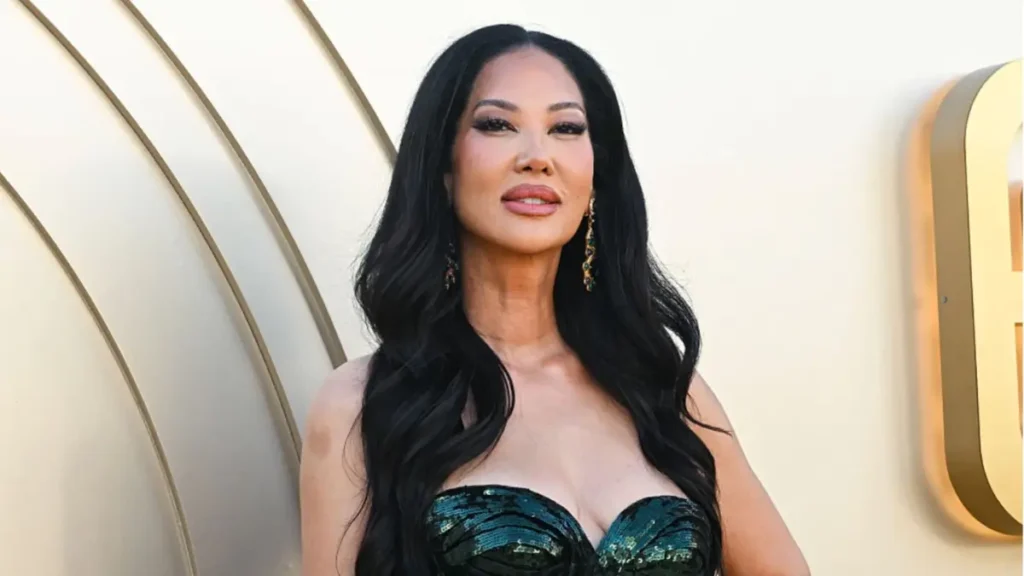
In the world of high-profile splits, Kimora Lee Simmons is making headlines once again as her divorce from Tim Leissner intensifies. This isn’t just about a couple parting ways; it’s a strategic play that speaks volumes about the nuances of love, power, and wealth in the Black community. Kimora isn’t just navigating the end of a marriage; she’s orchestrating a narrative that underscores the importance of agency and autonomy for women, particularly Black women, in the complex world of relationships and business.
For those who may not be familiar, Kimora’s narrative is woven deeply into the tapestry of the fashion and entertainment industries. She was once married to hip-hop mogul Russell Simmons and has built a brand that transcends traditional modeling. The divorce proceedings with Leissner, a former investment banker, are unfolding against a backdrop of legal disputes and financial stakes. The stakes are high—not just for Kimora, who has two children with Leissner, but for the legacy of her brand and the future she envisions for herself and her family.
This moment isn’t merely about Kimora reclaiming her narrative; it’s emblematic of a larger trend within our culture where women are stepping into their power amid personal turmoil. Kimora’s decisions are reflective of a broader movement where women, especially women of color, are increasingly taking charge of their stories. In a society that often tries to define us through the lens of our relationships, Kimora is flipping the script, asserting that her worth is not tied to her marital status. It’s a powerful reminder that Black women can—and should—navigate their paths with fierce independence and strategic foresight.
Looking back, we can draw parallels to other significant moments in our community’s history, like when Janet Jackson turned her public struggles into a fierce reclamation of her artistry and personal agency. Just as Jackson’s life experiences fueled her craft and narrative, Kimora’s strategic moves amid her divorce are not only fortifying her personal brand but also echoing a message of resilience. These instances highlight how struggles can be transformed into narratives of empowerment, influencing both the community and the industry at large.
As we keep an eye on Kimora’s journey, it’s essential to recognize the implications of her choices for future generations. Her strategic maneuvering within the complexities of her divorce isn’t just about her—it’s about setting a precedent for Black women everywhere. Watching how this unfolds, we may witness the forging of a new archetype for women in business and personal relationships, one that embraces the duality of vulnerability and strength. Kimora Lee Simmons is not just a name; she’s a voice—a testament to resilience in the face of adversity, reminding us that even in the toughest chapters, we have the power to write our own narratives.
About The Author