By Andre Coleman, PowerVault Staff
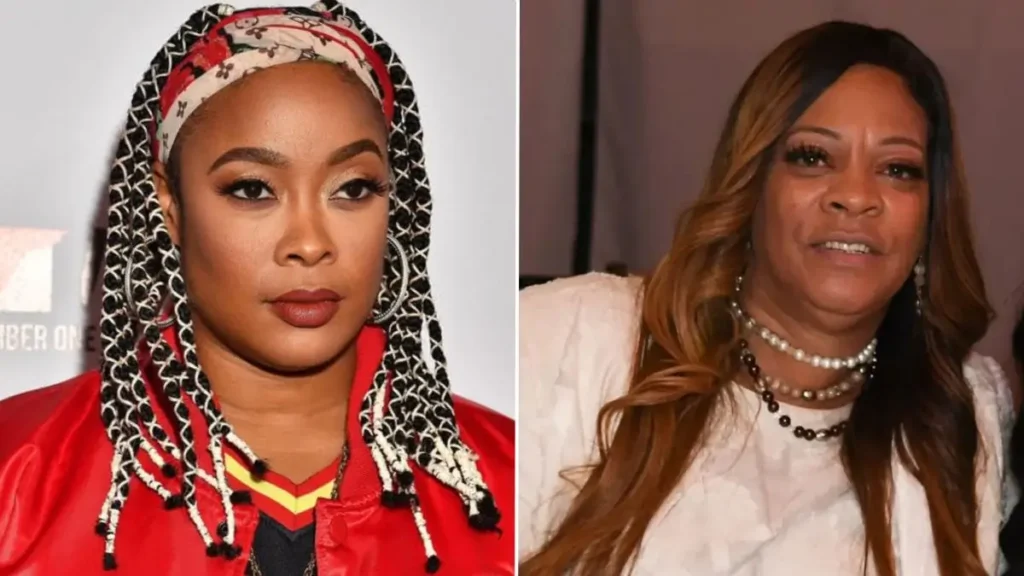
The drama between Da Brat and Deb Antney has erupted into the public eye, with the rapper steadfastly maintaining her claims that the talent manager swiped a TV show idea that was supposed to be theirs. Despite years of friendship and collaboration, this dispute is a testament to how easily the bonds of sisterhood can fray under the pressures of the entertainment industry. As the stakes get higher, both women are digging in their heels, with no signs of backing down.
To fully understand the weight of this confrontation, one must consider the historical context of Black women in hip-hop and entertainment. Da Brat, a pioneering figure and one of the first female rappers to achieve mainstream success in the 90s, has always represented resilience. Deb Antney, equally influential as a talent manager who has worked with heavyweights like Gucci Mane and Nicki Minaj, embodies the hustle and shrewdness that has defined many Black women in the industry. This clash represents not just a personal feud but a broader narrative about ownership, respect, and the struggles women face when carving out their space in a male-dominated industry.
What does this mean for the culture? For too long, Black women in hip-hop have been pitted against each other, a narrative that often overshadows their contributions and brilliance. Instead of uplifting one another, the industry frequently sows division, turning friends into foes over issues of creativity and intellectual property. This incident can push the conversation around women’s rights to ownership in the entertainment sector, especially in an era where authenticity and originality are pivotal in the rush for content.
This isn’t the first time we’ve seen the fallout of friendship turned sour in the music industry. One can recall the infamous beef between Nicki Minaj and Cardi B, which started as a budding friendship but devolved into public disputes over influence and recognition. These rivalries often captivate audiences, but they also highlight the vulnerabilities women face when vying for space within their own culture. As Da Brat and Deb pull back the curtain on their struggles, they remind us that the fight for respect and recognition continues, even among those who share a common background.
As this saga unfolds, it’s essential to keep an eye on how both women navigate this tense situation. Will it lead to a deeper exploration of the power dynamics in the industry, or will it remain a bitter chapter in their history? One can hope this moment serves as a catalyst for change, encouraging women in hip-hop to advocate for their visions and fight against the narrative of division. After all, the ultimate goal should be unity and empowerment, not just for themselves but also for the generations of Black women who will follow in their footsteps.
About The Author