By Jasmine Reed, PowerVault Staff
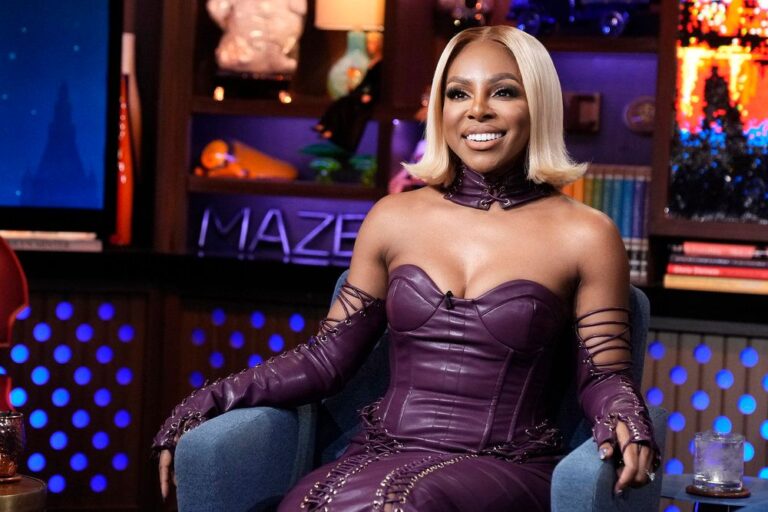
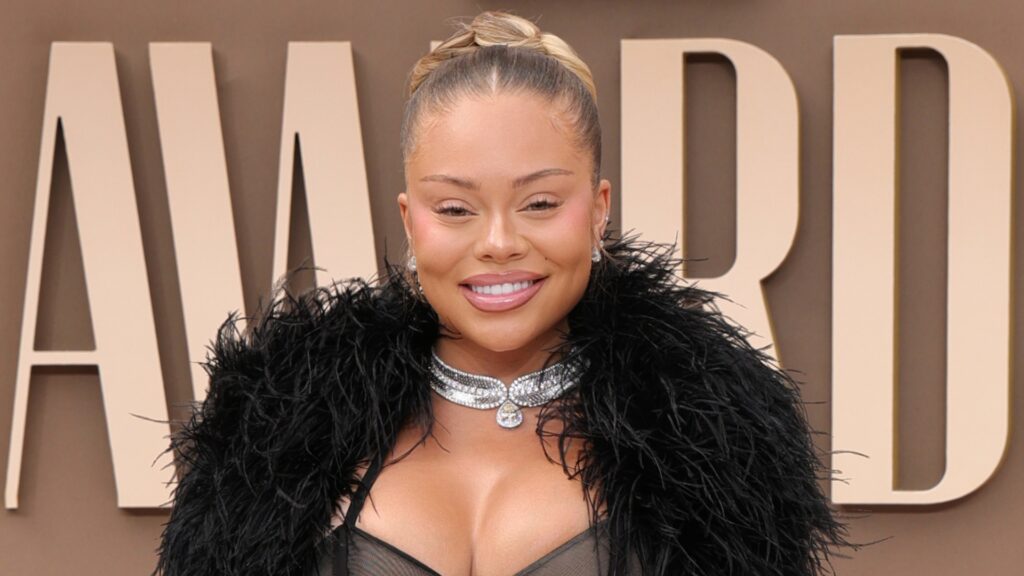
Imagine scrolling through your feed, and boom, Latto pops up serving curves and confidence from the sun-drenched shores of Saint-Tropez. Talk about a moment that stops the timeline in its tracks. This is what happened when Latto dropped a video that’s got everyone from your cousin to the culture critics buzzing. But what is it about this video that has people losing their minds?
First off, let’s address the obvious: Latto looks stunning. But this is more than just about aesthetics. In a world where the media often dictates and critiques the female body, Latto’s unapologetic embrace of her own form sends a powerful message. It’s a declaration of body positivity that resonates with fans who live for authenticity. Celebrities like Latto give voice to a movement, one that celebrates curves, empowers women, and dismisses outdated beauty standards.
Latto’s not just a rapper; she’s a force. With every beat, she adds to the narrative of hip-hop—a narrative that’s been evolving since the genre first boomed out of the Bronx in the ’70s. Now, with her video making waves, she’s contributing to a cultural conversation about body image and self-love. This isn’t just about a video; it’s about an ongoing revolution in how Black women are perceived and how they perceive themselves.
The video also brings to mind other pivotal moments in hip-hop where visual representation sparked dialogue. Think about Beyoncé’s groundbreaking visual album “Lemonade” or when Nicki Minaj made waves with “Anaconda.” These weren’t just music videos; they were cultural events that challenged norms and encouraged conversation. Similarly, Latto’s presence in Saint-Tropez is more than just a viral moment; it’s a continuation of a movement.
What’s refreshing is how Latto consciously intertwines her artistry with activism. Her video isn’t just about flaunting what she’s got—it’s a middle finger to societal pressures that often dictate what beauty should be. This aligns with the broader movements we’re seeing across the culture. Artists are using their platforms not just for self-expression but to spark change. Look at how Miles Minnick’s XXL Freshman win became a beacon for the next generation, or how Philadelphia’s new exhibit takes a step back in the fight for authentic Black history. These are all elements of a larger narrative of empowerment.
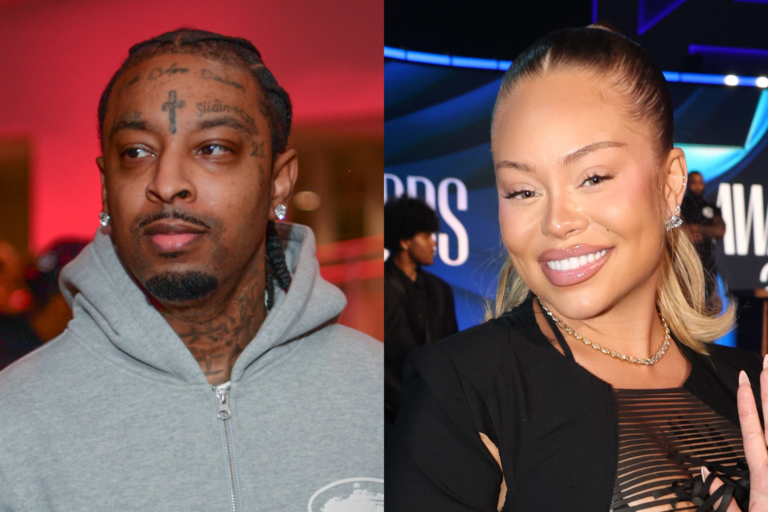
On the flip side, the attention Latto’s video has garnered also highlights our society’s fixation on celebrity culture. It’s a double-edged sword. While her video empowers, it also exposes the intense scrutiny celebrities face. Remember when 21 Savage jokingly asked her to “run it back” on social media? Such moments shine a light on the pressures of fame and how public personas are constantly under the microscope, as explored in our piece on Latto and 21 Savage.
Looking forward, it will be interesting to see how Latto continues to navigate this space. Will she use her growing influence to further the conversation on body positivity, or will she pivot to tackle other pressing issues within the culture? One thing’s for sure, she’s not slowing down. In a world that’s constantly evolving, artists like Latto remind us why hip-hop remains at the forefront of cultural change. This video is just one chapter in her story, and it’s clear she’s got many more to write.
The next time you scroll past a viral clip of your favorite artist, take a moment to consider the larger implications. Latto’s Saint-Tropez video isn’t just a flash in the pan; it’s a statement, a movement, and a reminder that representation matters. Her curves are curving, and they’re curving for a cause. We’re here for it, and we’re watching closely to see what comes next.
About The Author