By Jasmine Reed, PowerVault Staff
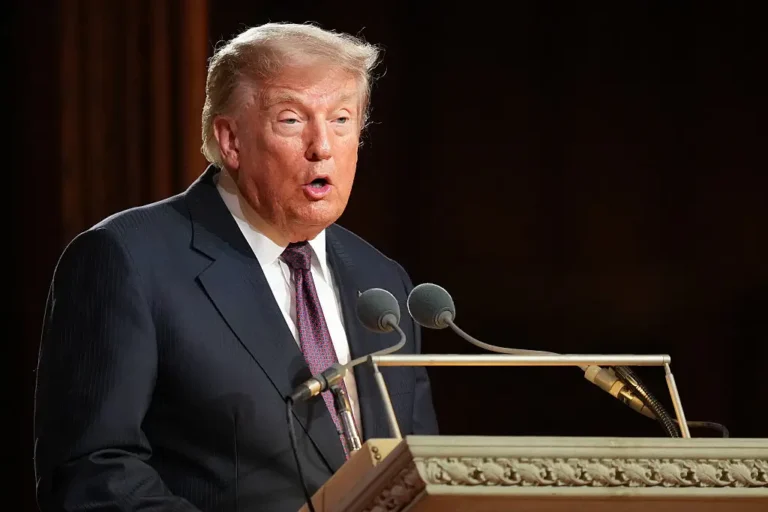
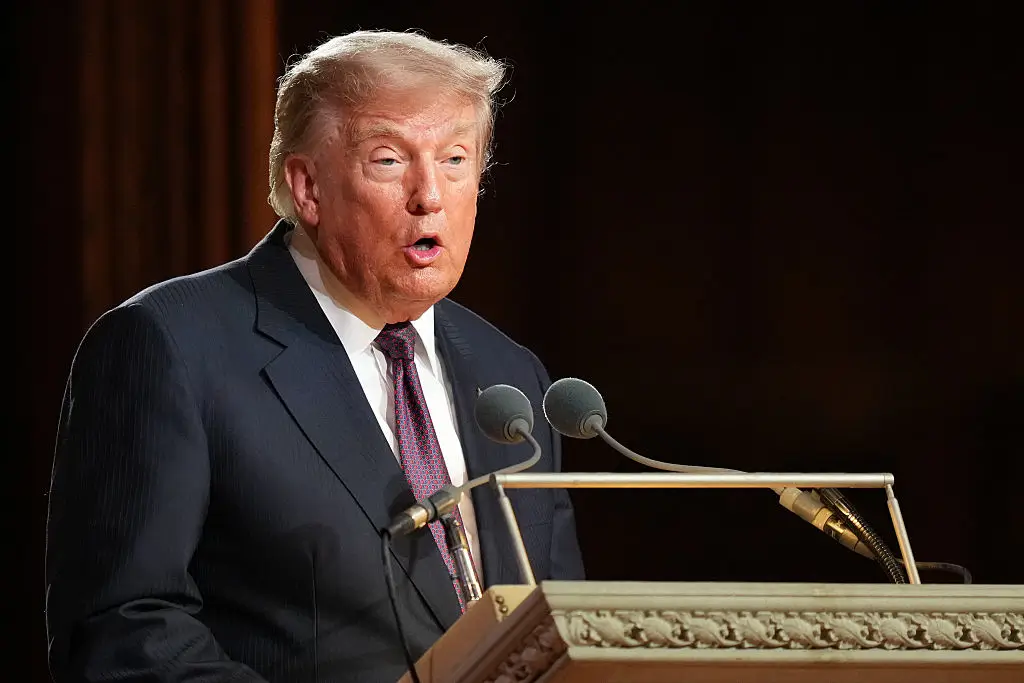
When Donald Trump steps onto a stage, unpredictability is always in the air. Whether you’re a fan or a critic, the man knows how to keep an audience on its toes. So, when he veered off script during a recent speech, it wasn’t just another day at the office. This time, he accidentally let a piece of truth slip — and swiftly apologized, catching everyone, including himself, off guard. The irony of one of the most famously dishonest public figures dropping a truth bomb before quickly backtracking is rich enough to stir the pot of public discourse once again.
Trump’s relationship with the truth has always been complicated at best. Known for his bombastic style and a loose affiliation with facts, moments like these where a flicker of honesty breaks through are rare. It’s akin to spotting a unicorn in the wild. Yet, the room’s reaction tells us something — people are not immune to the shock of honesty, even when it comes from the most unexpected places.
This incident raises a larger question about the role of truth in politics today. We’ve all witnessed how facts have become more subjective, twisting and turning based on who’s telling the story. In hip-hop culture, realness is currency. An artist’s authenticity can make or break their career. So when a public figure like Trump briefly embraces honesty, it’s like watching someone break the fourth wall in a film. It’s unexpected and jarring, yet oddly refreshing.
Trump’s apology for speaking truthfully is a mirror to the current political climate, where spin often outpaces sincerity. It reminds us of those rare moments in hip-hop when artists like Kendrick Lamar or J. Cole slice through the noise with genuine storytelling. Much like these artists, who use their platform to speak on societal issues without holding back, Trump’s moment of candor, though accidental, underscores the value of truth in a world flooded with misinformation.
The room’s eruption in response to Trump’s slip is reminiscent of the hip-hop cyphers where truths are laid bare and the crowd’s reaction is both validation and critique. It’s a space where words carry weight, and the speaker must be ready to stand by them. The DJ Drama XXL Freshman Cypher is a prime example of this. It underscores why moments of unfiltered honesty resonate, because they remind us of the power words hold.
In reflecting on Trump’s impromptu confession, there’s a lesson for all of us about the importance of holding onto our truths, both in politics and the culture at large. It’s similar to how Miles Minnick is seen as a beacon for the next generation of hip-hop — embracing authenticity and letting it guide the path forward.
Historically, the power of truth-telling isn’t new. From the civil rights speeches of the 1960s to the raw verses that defined hip-hop’s golden age, words have always been a weapon against oppression and a tool for empowerment. It’s this legacy that continues to influence not just music, but every corner of our culture. It’s the heartbeat of movements and the spark of revolutions.
Going forward, it’s crucial to watch how moments like these play out in the broader cultural context. Will this accidental truth-telling lead to more open conversations about authenticity in our political arenas? Or will it be swept under the rug of the 24-hour news cycle, forgotten amid the chaos of the next scandal? Only time will tell, but one thing’s for sure: the demand for honesty is universal.
As we navigate these unpredictable times, let’s keep our eyes on who’s speaking their truth and who’s just playing the game. Much like how the celebration of Black Music Month reminds us of the culture’s enduring impact, moments like these remind us of the power inherent in authenticity. Whether it’s a politician on stage or an artist in the booth, truth will always find its way to the surface, and when it does, it’s up to us to listen and take note.
About The Author