By Malik Carter, PowerVault Staff
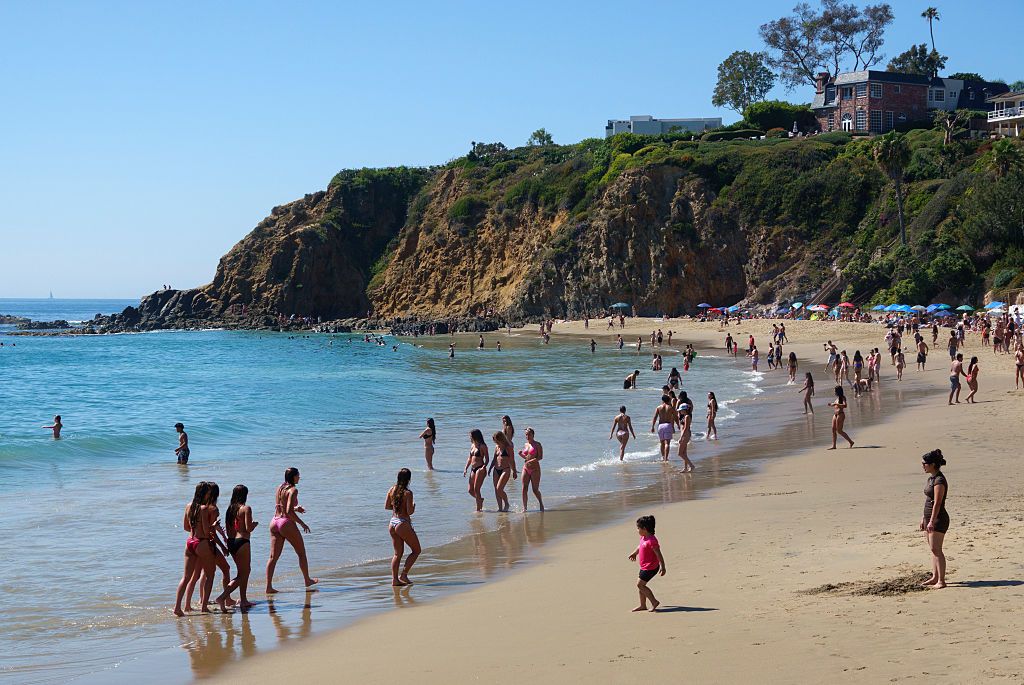
As record-high temperatures sweep through the Western states, bringing relentless heat that feels more appropriate for mid-summer than the beginning of spring, it’s time to confront a simple truth: climate change is no longer a distant phenomenon—it’s a harsh reality that’s reshaping our lives. California, Arizona, and Nevada are experiencing sweltering days that touch the 100-degree mark weeks earlier than usual, and it’s more than just an inconvenience; it’s a stark reminder of the planet’s changing climate, a situation that disproportionately affects Black communities across the nation.
For context, this uptick in temperature isn’t just an anomaly; it’s part of a larger narrative that has been unfolding for years. Climate science shows that global warming, driven by human activity and fossil fuel consumption, is leading to extreme weather patterns. The Western U.S. has become a canary in the coal mine, where rising temperatures don’t just threaten our comfort but also our health, our homes, and our futures. These record highs hit hardest in urban areas, where heat islands amplify the effects, making it difficult for low-income communities—many of them predominantly Black—to find respite from the unforgiving sun. The struggle against climate change is layered with social justice, as those who have contributed the least to the problem often bear the brunt of its consequences.
In terms of culture, this heat wave serves as a critical juncture for conversations about resilience, adaptation, and community. Hip-hop has always been a reflection of the social landscape, and today’s artists are poised to channel this urgency into their work. The heat wave isn’t just a backdrop; it’s a call to action. From Lil Baby to J. Cole, we’re beginning to see a shift where artists are not just telling stories of struggle and survival; they’re also engaging with issues of environmental justice. This isn’t just about beats and rhymes anymore; it’s about raising awareness and sparking movements that address the inequities perpetuated by climate change.
When we think about our history, we can draw parallels to the Civil Rights Movement, where environmental injustices were often overlooked. The battles faced back then resonate today as we navigate a world that continues to neglect the needs of marginalized communities in favor of profit. Just as figures like Martin Luther King Jr. fought for social equity, today’s artists and activists are mobilizing for environmental equity, forging a connection between our cultural struggles and the fight against climate breakdown. It’s a reminder that this isn’t just about the weather; it’s about justice, survival, and the legacy we leave behind.
Looking ahead, we need to keep an eye on how this heat wave unfolds and what it means for our communities. The struggles with infrastructure, healthcare access, and economic disparities will only become more pronounced as temperatures rise. As we face the reality of climate change, the cultural narratives that emerge from this struggle will be crucial in shaping our response. We must ask ourselves: how can we ensure our voices are heard in the conversation about climate action? How can we turn these oppressive conditions into a rallying cry for change? In the face of rising temperatures and social inequities, it’s time to unite, advocate, and create a future that values our communities. The heat may be rising, but so too is our resolve.
About The Author