By Jasmine Reed, PowerVault Staff
There’s a certain electricity in the air whenever a Future album drops. Whether it’s the hypnotic beats, the catchy hooks, or the raw tales of life in Atlanta, Future has consistently captured the essence of modern hip-hop. But what do his first-week Billboard sales tell us about his impact on the game?
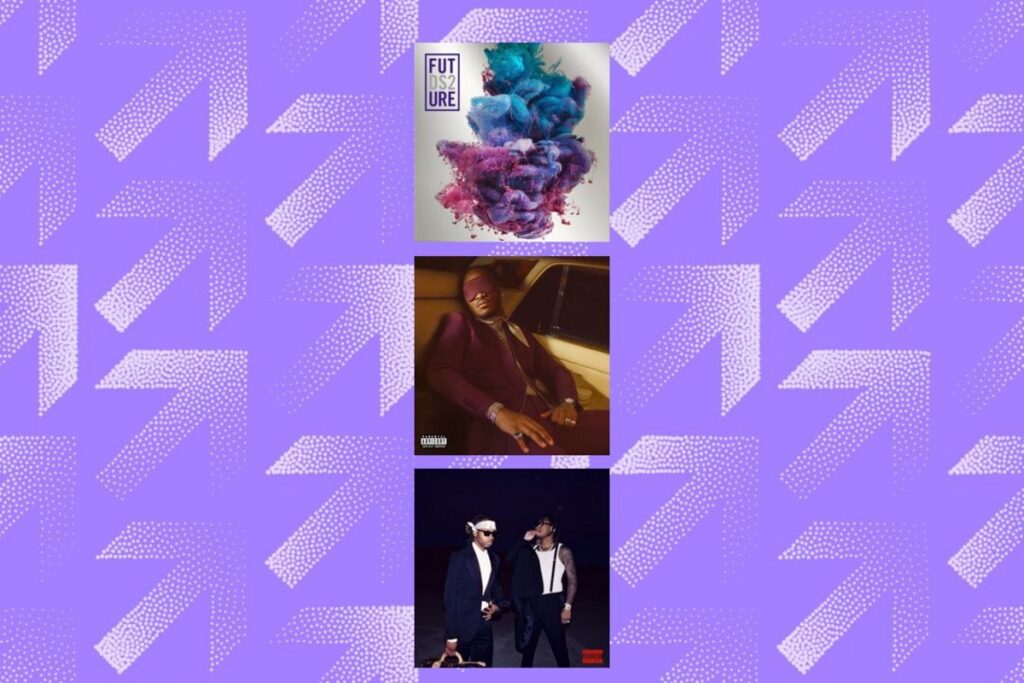
Future’s journey isn’t just about numbers; it’s about a cultural shift. When his album ‘DS2’ dropped back in 2015, it wasn’t just an album—it was an anthem for a generation. The streets of Atlanta were ablaze with its tracks, and every club in the city had Future’s voice echoing off the walls. His ability to tap into the consciousness of his listeners, telling stories that resonate with Black millennials and Gen Z, is what keeps him relevant.
Looking back, Future’s early projects were a bold declaration of his intent. Each release marked a new chapter for him and, consequently, for hip-hop itself. Albums like ‘Pluto’ and ‘Honest’ set the stage for the gritty realism and narrative depth he would bring to his later work. Comparing his rise to the cultural phenomena that artists like Rakim and Kurupt brought during hip-hop’s golden age shows that Future’s music is more than just entertainment—it’s a movement. Is Hip-Hop’s Golden Age Back?
But let’s talk sales for a moment. Future’s ability to draw numbers is legendary. His album ‘The WIZRD’ in 2019, for instance, debuted at number one on the US Billboard 200, selling over 126,000 units in its first week. These numbers don’t just signify popularity; they reflect the anticipation and trust his fanbase places in his artistry. Future’s releases are events in their own right, much like how the ESSENCE Festival keeps Black authors in the spotlight and celebrates the diverse voices of the culture.
There’s a reason why Future’s music resonates so deeply. It’s the authenticity in his narratives—the stories of triumph, pain, and survival—that hits home. His lyrics often delve into personal struggles and the darker sides of fame, forging a connection with listeners who see their own experiences reflected in his words. This authenticity is reminiscent of how soul music serves as the heartbeat of Black culture, echoing the genuine stories and emotions of a community.
But beyond the numbers and the music, Future’s influence stretches into the broader landscape of Black culture. His collaborations with other artists, his ability to stay ahead of trends, and his relentless work ethic serve as inspiration for upcoming artists. It’s not just about where he’s been but where he’s taking the culture. With each release, Future pushes the boundaries of hip-hop, challenging both himself and his peers to elevate their craft.
As Future continues to release music, the anticipation for what he will do next is palpable. Will he explore new sounds? Collaborate with unexpected artists? Or perhaps, take his storytelling to even deeper levels? Whatever the future holds, one thing is clear: Future is far from done shaping the landscape of hip-hop.
In a world where artists come and go, Future remains a constant, a testament to the enduring power of authentic storytelling in music. His first-week Billboard sales numbers are just a reflection of a deeper connection with his audience—a bond that transcends numbers and charts, rooting itself firmly in the fabric of hip-hop culture. As fans eagerly await his next move, the question isn’t just about what Future will do next, but how he will continue to define the future of hip-hop.
About The Author