By Jasmine Reed, PowerVault Staff
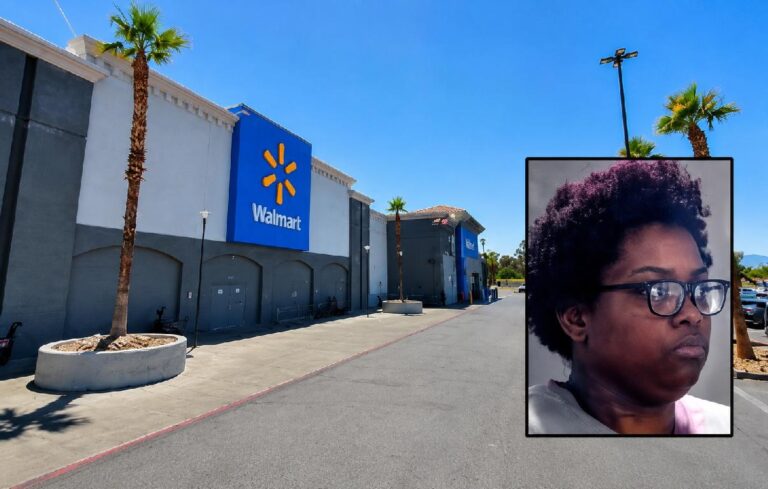
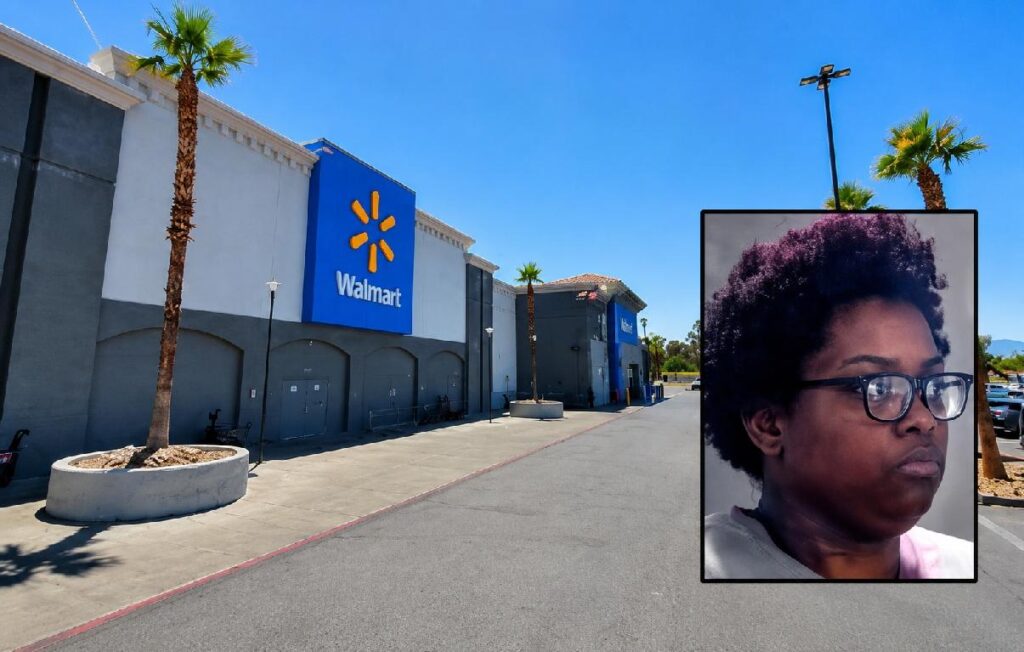
Picture this: you’re doing your weekly run to Walmart, maybe grabbing some snacks and those household essentials you always forget about, when suddenly, chaos breaks out. Hands are thrown, voices rise, and instead of cooling down, things take a deadly turn. This isn’t a movie scene or a viral video prank—it’s the harsh reality that unfolded recently in a Las Vegas Walmart. Newly released footage reveals how an argument between shoppers escalated into a tragic shooting after a woman allegedly told her husband to bring a gun to the store.
This situation isn’t just about a single incident—it taps into a deeper conversation about where we are as a society. Guns, violence, and how quickly everyday disputes can escalate into life-altering tragedies are all parts of this complex puzzle. The surveillance and body-camera footage released by the Las Vegas Metropolitan Police Department show a narrative that should never have been a reality. It’s a chilling reminder of how fragile life can be and how quickly things can change.
The culture of gun violence in America has been a point of contention for decades. It’s an issue that continues to divide communities and stir debates about safety, rights, and responsibilities. The Las Vegas Walmart shooting is just the latest in a string of events highlighting the dangers of easy access to guns and the consequences of their misuse. In hip-hop culture, firearms and violence have been both a reality and a symbol, often reflecting the struggles and triumphs of marginalized communities. But when does representation cross the line into glorification?
It’s important to remember that hip-hop is more than its stereotypes. It’s a platform that has given voice to generations, told the stories of the disenfranchised, and highlighted the resilience of communities in the face of systemic challenges. Yet, the line between storytelling and reality can sometimes blur, leading to real-world consequences like those we’ve seen recently. We only need to look back at incidents like the tragic loss of Tupac Shakur to understand how closely intertwined violence and hip-hop have been.
The tragic events in Las Vegas also remind us of the broader societal issues at play. Just as campaigns like the 2026 March on Washington call attention to voting rights and systemic inequities, this incident urges us to reflect on our collective stance on violence and conflict resolution. How do we address these issues within our communities? How do we prevent future tragedies?
In a world where tensions are high and resolutions often seem distant, what can be done to foster peace and understanding? The answer lies not just in legislation but in cultural shifts, education, and open dialogue. If the hip-hop community and its fans can rally for change in other areas, surely we can come together to address the plague of violence as well.
Looking ahead, the question remains: what steps will be taken to ensure this kind of tragedy doesn’t happen again? Will this incident spark a meaningful dialogue about gun violence and safety in America? Or will it be another statistic in a long list of headline-grabbing tragedies? As we watch this story unfold, let’s hope it serves as a catalyst for change, prompting us to examine our values and the kind of world we want to create.
Walmart shelves should be for groceries and clothes, not the backdrop of violence. As we reflect on this incident, it’s crucial to keep the conversation going, to push for the change we so desperately need. Only then can we hope to move towards a future where stories like this no longer dominate our headlines.
About The Author