By Malik Carter, PowerVault Staff
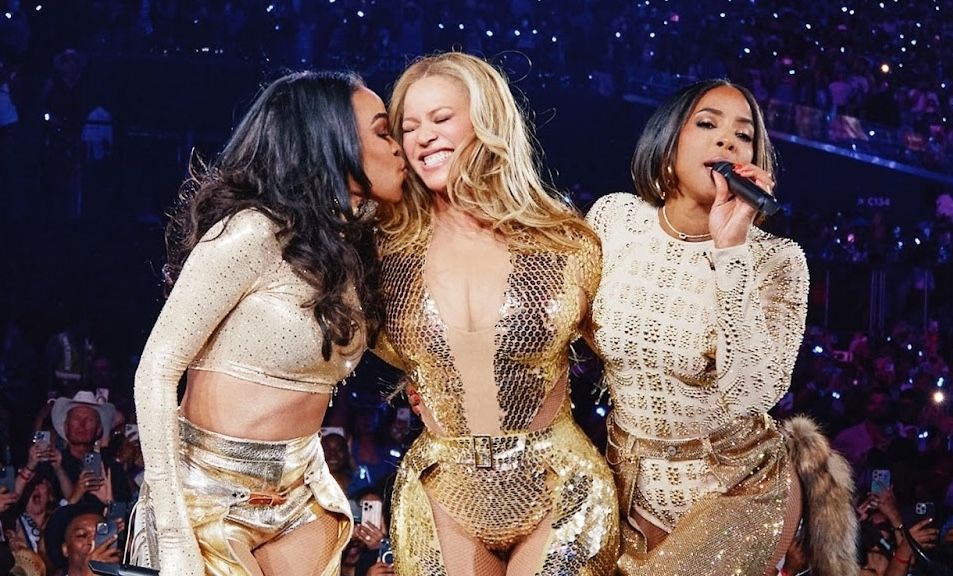
Destiny’s Child is poised for a comeback in a way that could send ripples across the music industry. According to their manager, Mathew Knowles, we can expect to hear remixes of some of their classic hits as early as 2026. This isn’t just a nostalgic trip down memory lane; it’s a testament to the staying power of their music and the ever-evolving landscape of hip-hop and R&B. In an age where everything old is new again, remixes are more than just an homage—they’re a celebration and a recontextualization of cultural touchstones for a new generation.
To understand the significance of this remix wave, we need to look back at the golden era of Destiny’s Child. Emerging in the late 90s, the trio channeled a blend of empowerment, heartache, and flair that spoke to the experiences of countless Black women. Songs like “Say My Name” and “Jumpin’, Jumpin’” didn’t just top charts; they became anthems of resilience and sisterhood. As we gear up for new remixes, it’s vital to remember what made these tracks resonate in the first place: they were not merely catchy tunes but rather reflections of lived experiences, embodying the trials and triumphs of Black womanhood.
In an industry constantly seeking the next big sound, remixing Destiny’s Child creates an intriguing crossroads of nostalgia and innovation. It raises the question: how will today’s artists reinterpret the themes of empowerment and love that defined DC’s legacy in a contemporary setting? This isn’t just a nod to the past; it’s an opportunity for artists to breathe new life into the narratives that have shaped our cultural landscape. The intersection of hip-hop and R&B has always been a breeding ground for creativity, and remixing classic hits could inspire a new wave of artists to pay homage while also asserting their own voices.
We’ve seen similar movements before, notably with the resurgence of 90s and early 2000s sounds in today’s hip-hop. Tracks like “Old Town Road” highlighted how sampling and remixing can create something unprecedented while paying tribute to the roots of the genre. However, what sets the upcoming DC remixes apart is the weight of the legacy they carry. This isn’t just a revival; it’s a reclamation of a narrative that should continue to evolve, reflecting the complexity of modern Black womanhood.
As we anticipate these remixes, the broader implications for the culture and community are crystal clear. This move signifies that the voices of those who came before us matter, and their stories are still relevant. It’s a call for new artists to engage with these themes, to not shy away from the powerful messages embedded in the fabric of our music. As we look to 2026, we can only hope that these remixes do justice to the original tracks while opening up new dialogues about identity, empowerment, and resilience in our community. Because at the end of the day, the music isn’t just for us; it’s for the generations that will come after, who will take these messages forward in ways we can only imagine.
About The Author