By Andre Coleman, PowerVault Staff
Picture this: a hot summer day in the hood, the sound of boom-bap echoing through the streets, and kids gathered around a makeshift speaker, vibing to the beats that define an era. Today, the impact of those beats is clearer than ever. Hip-hop has come a long way from its block party roots, evolving into a cultural powerhouse that commands respect and attention worldwide. The proof? Diamond certifications—the ultimate badge of honor in the music industry, marking the songs and albums that not only topped charts but also transcended time and space to become legends in their own right.
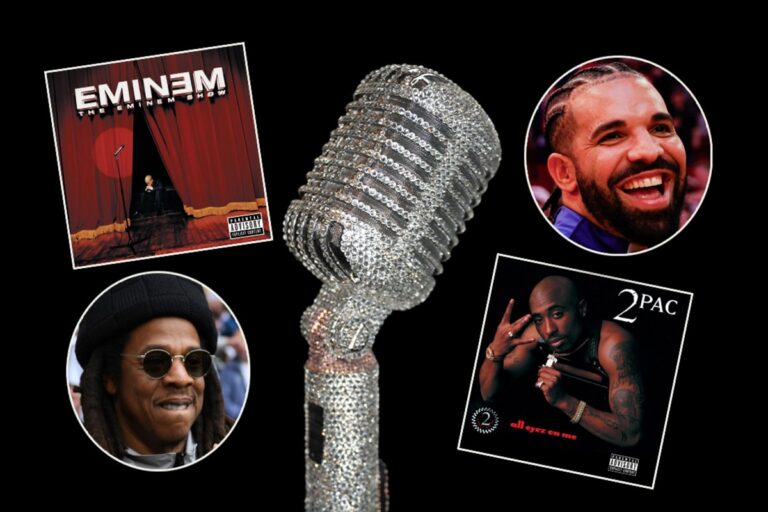
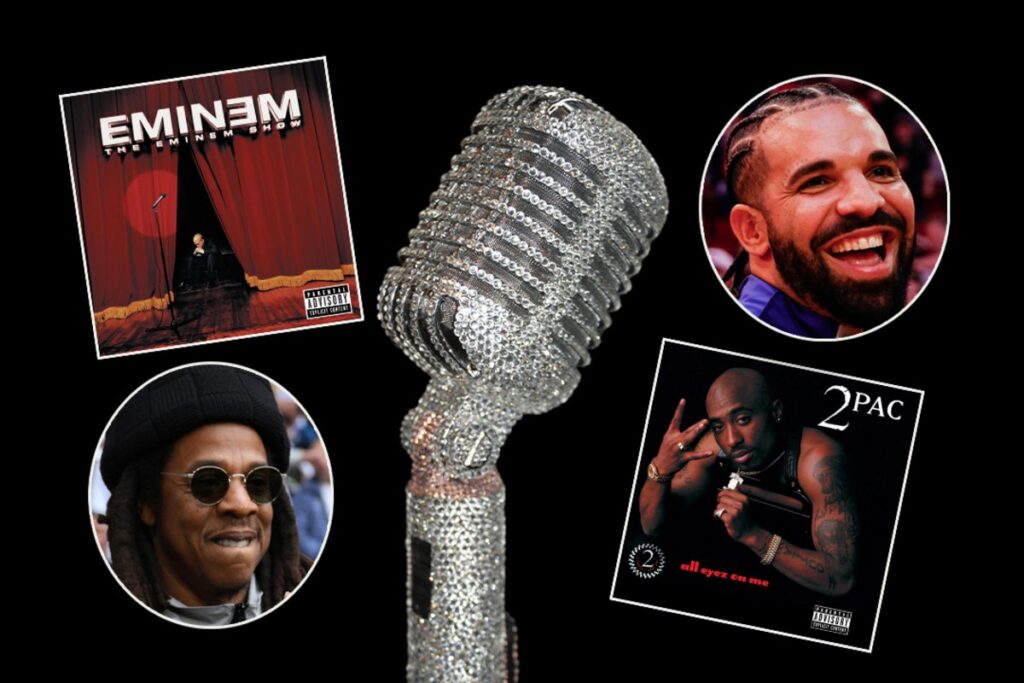
But what does it take for a hip-hop record to hit diamond status? We’re talking about 10 million copies sold—a Herculean feat in today’s music world. It’s a testament to the staying power of an artist, a nod to the cultural shift they’ve inspired, and sometimes, the controversy they’ve courted. When artists like Eminem, Tupac, and OutKast reach these heights, it’s not just a win for them, but a celebration for the entire hip-hop community. It affirms the genre’s mainstream success and the undeniable influence of Black culture on the global stage.
Historically, hip-hop hasn’t always been given its due. For a long time, it was dismissed as a passing fad, a noise that was too loud, too raw, too real for the sanitized music industry. Yet, here we are, with diamond certifications elevating our icons to new heights. Remember when Kanye West’s ‘College Dropout’ smashed barriers, or when Nas dropped ‘Illmatic,’ forever changing the game? Those were moments that set the stage for today’s diamond-certified artists.
In an age where streaming numbers can be elusive due to a myriad of factors—think playlists, bots, and so on—achieving diamond status is like striking gold, literally. It speaks to the undying love fans have for the music, the stories that resonate on both personal and communal levels. It’s like when a Travis Scott video drops, and everyone stops what they’re doing to see the latest masterpiece unfold.
But there’s more to the diamond story than just sales. It’s about legacy. Artists like Drake and Jay-Z aren’t just musicians; they’re entrepreneurs, fashion icons, and cultural leaders. Their diamond hits aren’t merely singles; they’re anthems that capture moments in time, conversations, and movements. It’s no surprise then, that some of the conversations around diamond hits often tie back to larger cultural shifts, as seen when Kanye West equates a song’s impact to pivotal albums in his career.
The significance of diamond certifications extends beyond the music; it reflects a broader cultural validation. With every plaque, hip-hop artists get another chance to break away from the stereotypes that have long held them back. It’s a nod to the resilience and innovation that Black artists have consistently brought to the table. It’s about setting new standards and redefining what’s possible when talent and drive meet opportunity.
What’s next for hip-hop’s diamond ambitions? New names are coming up, hungry to claim their spot among the greats. Artists like Kendrick Lamar and J. Cole are already making waves, and it’s only a matter of time before they join the diamond club. As the genre evolves, so too does its potential. The digital age offers artists a platform to reach millions faster than ever before, but it also demands authenticity, creativity, and a connection with the audience that transcends traditional marketing strategies.
As we look to the future, there’s a lot to be excited about. The landscape is ripe with potential crossover hits, genre-bending collaborations, and new narratives that challenge the status quo. Will the next diamond hit come from an unexpected collaboration, a bold new voice, or a seasoned veteran? Only time will tell, but one thing’s for sure: hip-hop’s diamond era is far from over, and its impact will continue to ripple through the culture for generations to come.
In this ever-changing world, one thing remains constant: the power of hip-hop to inspire, provoke, and transform. Whether it’s through groundbreaking music videos like those by Travis Scott, or diamond-certified hits that capture the zeitgeist, hip-hop is more than music—it’s a movement. And as we celebrate these milestones, we recognize that they’re not just about numbers; they’re about the stories we tell, the voices we amplify, and the legacy we leave behind.
About The Author