By Renee Fontaine, PowerVault Staff
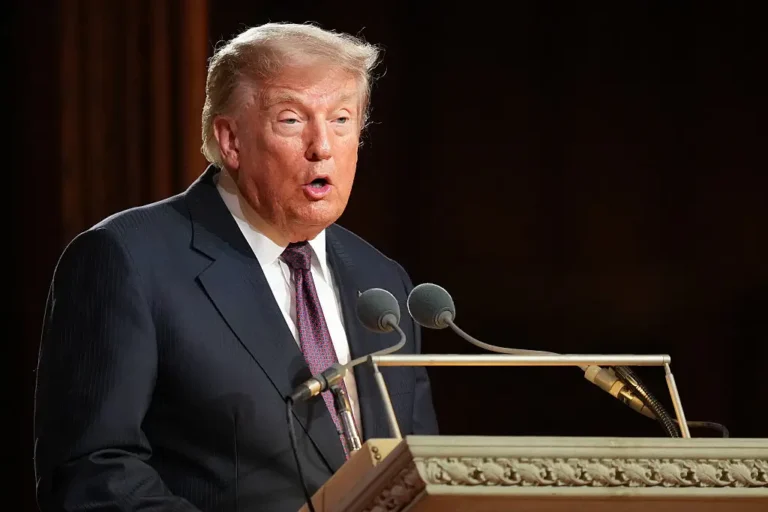
In a world where the gap between the rich and poor feels like it’s constantly widening, the extravagance of the wealthy often leaves a sour taste. It’s like watching a rapper flex in a music video, dripping in diamonds, while thinking about the communities that are struggling just to make ends meet. And when it comes to flaunting wealth, few have done it as shamelessly as Donald Trump. The former president’s latest obsession serves as yet another reminder of his fixation on luxury. But why, in 2026, does this still matter?
For those who’ve been paying attention, Trump’s penchant for the finer things in life is hardly news. His gilded lifestyle has been on display since his days as a real estate mogul. However, the level of opulence still manages to stir up reactions, especially when it’s paired with audacious claims about what it does for his image. The guy who once said he could shoot someone on Fifth Avenue and not lose supporters is now bragging about how his latest indulgence transforms his looks. It’s a bizarre flex that leaves many asking: Can somebody stop this?
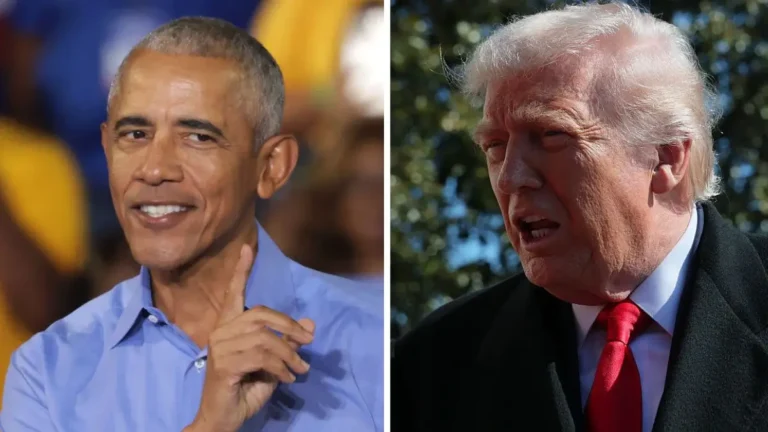
But beyond the eye rolls and the outrage, Trump’s antics reflect something deeper about our society. It’s like the ongoing saga of why some artists, like Eminem, rise to iconic status in a manner that seems both destined and questioned by many. It seems that no matter how controversial or obnoxious, figures like Trump continue to capture public attention. Whether it’s his latest ‘must-have’ or a political move, the media spotlight never strays too far. Remember when he lost his cool on live TV over Obama? That moment was classic Trump—unfiltered and unapologetic.
For the Black community, Trump’s flauntings are not just about wealth; they’re about the broader implications of inequality. This isn’t just a wealthy man enjoying his riches; it’s a reflection of systemic issues that have kept many marginalized communities struggling. It’s why movements like the 2026 March on Washington remain critical. It’s about pushing back against the structures that allow a select few to indulge while others fight for basic rights and recognition.
There’s a parallel to be drawn here with hip-hop culture, where opulence and luxury are often celebrated. Think of the hip-hop songs and albums that achieve diamond certification. They represent not just commercial success, but a deeper aspiration for many who grew up with little. But the difference is that hip-hop often contextualizes wealth within stories of struggle and triumph, whereas Trump’s displays often come across as tone-deaf and disconnected.
Yet, in a world of tabloids and 24-hour news cycles, Trump’s antics remain a headline magnet. Maybe it’s because they serve as a convenient distraction from more pressing issues. Or perhaps it’s a reminder that the world we live in is still grappling with what wealth and success truly mean. Whatever the reason, there’s no denying that figures like Trump will continue to dominate conversations for better or worse.
Looking ahead, it’s important to consider what this obsession with luxury means for future leaders and influencers. As hip-hop artists and Black culture icons continue to rise, how they choose to wield their influence will be critical. The power to inspire change and uplift communities is immense, and many are already stepping into roles that blend success with social responsibility.
Ultimately, while Trump’s displays of wealth may be infuriating, they’re part of a larger conversation about what we value and who we hold accountable. As the culture continues to evolve, so too does the narrative around wealth and influence. The key is ensuring that the voices from the community are not just heard but lead the way to a more equitable future.
About The Author