By Marcus Ellison, PowerVault Staff
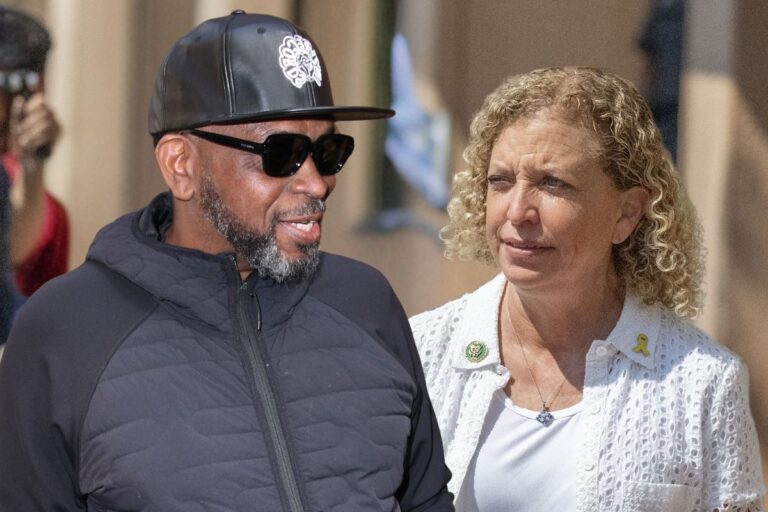
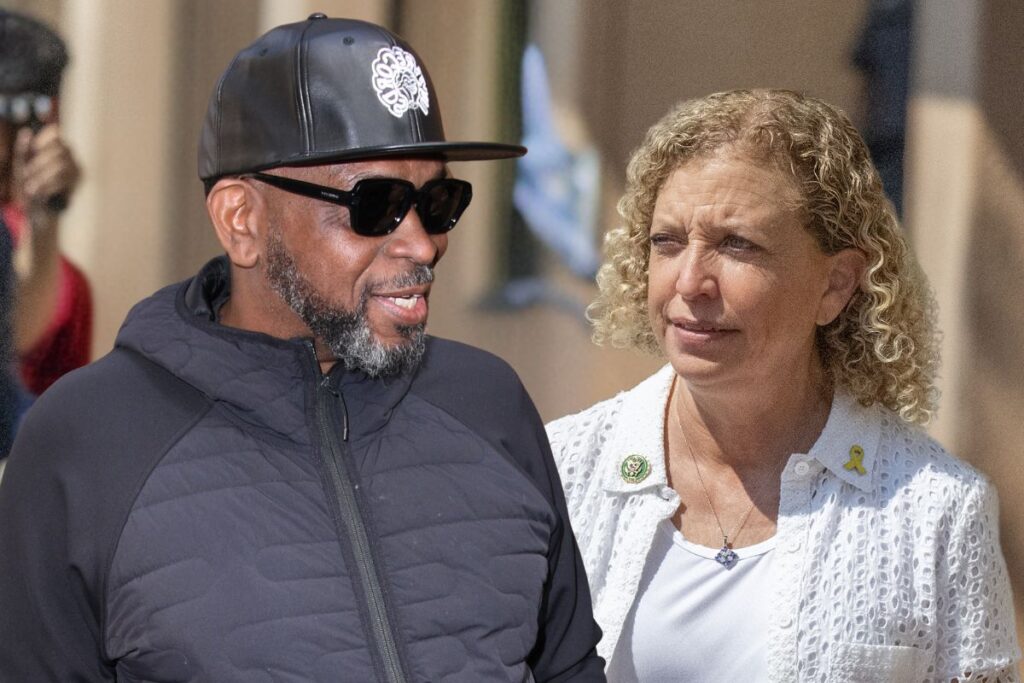
Hip-hop and politics have always had a complex relationship. From Public Enemy’s call to action in the ’80s to modern artists like J. Cole addressing systemic issues, the culture has long been a voice for change. But what happens when icons from our music scene decide to take direct action in the political arena? Uncle Luke, the legendary voice behind 2 Live Crew, is doing just that by challenging Debbie Wasserman Schultz for a seat in Congress. This isn’t just a story about an artist stepping into politics; it’s a deep dive into the crossroads of hip-hop, Black empowerment, and political influence.
For those who grew up with the raw energy of 2 Live Crew, Uncle Luke’s move might seem unprecedented but not entirely surprising. The man has always been about pushing boundaries, whether through his music or his advocacy for freedom of speech. Now, he’s aiming to break another barrier by calling out the Congressional Black Caucus and targeting Wasserman Schultz, who has held her seat since 2005. The August primary in Florida could very well become a battleground for not just political ideologies but for the representation of Black voices in Congress.
Uncle Luke’s challenge isn’t just a political maneuver; it’s a cultural moment. In recent years, we’ve seen a rise of Black voices fighting for political change, from debates over economic disparities to questioning the authenticity of public figures. This political landscape is ripe for disruption, and the culture is listening. Uncle Luke stepping into this arena signifies that the old guard, represented by Wasserman Schultz, might not be attuned to the evolving needs and voices of Black communities.
But let’s not pretend this is a simple ‘David vs. Goliath’ scenario. Wasserman Schultz is a seasoned politician with years of experience. Yet, experience doesn’t always translate to understanding the ground reality. With the rise of movements focusing on issues like police reform, economic inequality, and immigration concerns, as seen in protests against ICE policies, there’s a growing demand for leaders who can relate to these contemporary struggles. Uncle Luke’s campaign might resonate with those who feel underserved and overlooked.
Reflecting on hip-hop’s past, we can draw parallels to artists like Tupac, who famously said, “I’m not saying I’m gonna change the world, but I guarantee that I will spark the brain that will change the world.” Uncle Luke’s challenge might just be that spark in the realm of politics. While he might not have the legislative experience, his understanding of the culture and its pain points could offer a fresh perspective that traditional politicians lack.
So, what does this mean for Black politics moving forward? Well, it suggests that our voices are diversifying in spaces we couldn’t have imagined decades ago. The challenge isn’t just about a seat in Congress; it’s about who gets to tell the story of our people and who gets to represent our struggles and triumphs on a national platform. Uncle Luke’s campaign might be a litmus test for how ready we are to embrace unconventional narratives in political spaces.
Looking ahead, the August primary will be more than just a political event; it’ll be a referendum on the kind of leadership we want moving forward. Will voters choose the familiarity of Wasserman Schultz, or will they opt for Uncle Luke’s fresh voice that promises to shake things up? Either way, this challenge adds a compelling chapter to the ongoing narrative of how Black joy and resilience are shaping not just the future of hip-hop but also our political realities.
In a world where authenticity is praised, and traditional norms are questioned, Uncle Luke’s campaign could be the beginning of a new era in Black political leadership. As this story unfolds, it’s a potent reminder that the power of hip-hop extends far beyond the music—it can change the way we think about our communities and how we engage with power structures. Keep your eyes peeled, because this is one narrative that could redefine the intersection of culture and politics for years to come.
About The Author