By Simone Walker, PowerVault Staff
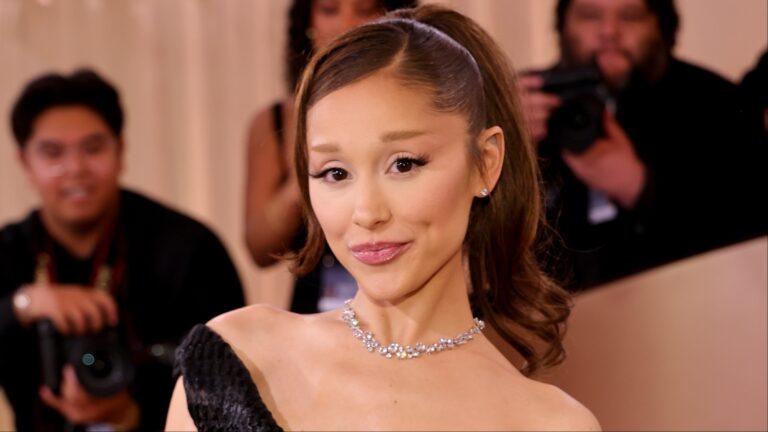
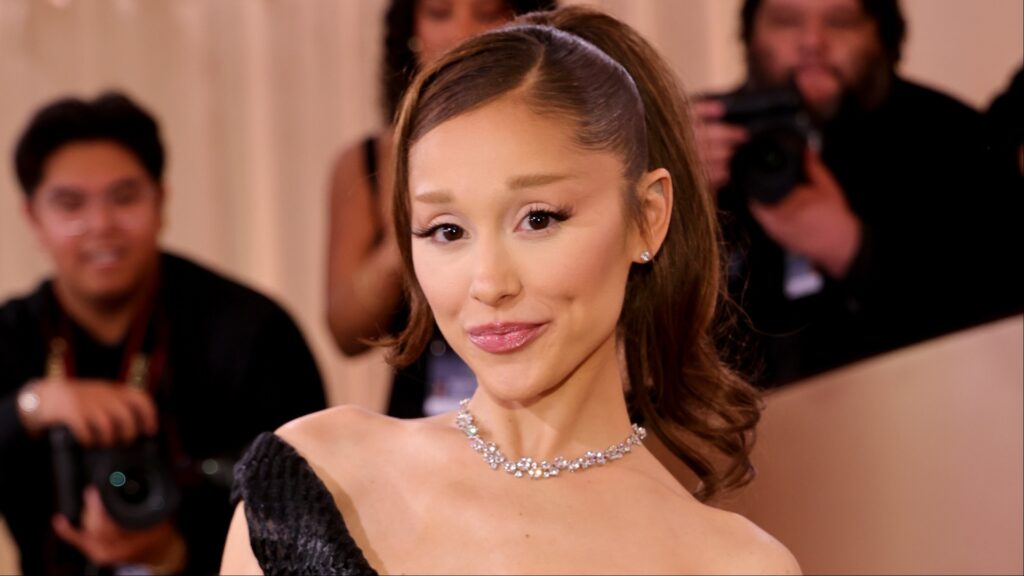
Imagine you’re atop the world, with legions of fans singing your songs, your face gracing every billboard, and yet, behind the glitz and glam, you feel the need to pull the brakes. This is where Ariana Grande finds herself as she announces her intention to step back from the public eye after her ‘Eternal Sunshine’ Tour. In the world of celebrity, where every move is under a magnifying glass, the decision to retreat is as significant as any chart-topping hit.
Ariana Grande isn’t the first artist to feel the weight of fame press down like an unyielding pressure cooker. Remember when Justin Bieber took a hiatus from music to ‘protect his health and mind’? Or when Kendrick Lamar, despite his pinnacle of success, took extended breaks to avoid the burnout that comes with relentless public scrutiny? These moments remind us that behind the persona is a human being grappling with the same vulnerabilities we all do—just on a much grander stage.
The timing of Grande’s decision comes as no surprise. In today’s era, where social media amplifies both adoration and criticism to unprecedented levels, the scrutiny can be relentless. It’s a landscape where a viral tweet can build you up one day and tear you down the next. For someone like Ariana, whose career has long been intertwined with the digital age, the noise can be deafening. The choice to step back isn’t just about self-care; it’s a powerful statement of reclaiming control in an industry that often demands your soul.
In many ways, Ariana’s choice echoes a broader movement within the entertainment industry—artists asserting their boundaries. In a culture where hustle is celebrated, and overworking is often mistaken for dedication, taking a step back is a radical act of self-preservation. Let’s not forget the recent instances where celebrities have been more vocal about their mental health battles. From Lizzo advocating for body positivity and mental health to Cardi B challenging beauty standards and addressing personal struggles, the conversation about mental health in the industry has never been more vital. Cardi B, for instance, has often been candid about her life choices, sparking dialogue and sometimes controversy, but always keeping it real.
For the culture, Ariana’s decision to pause is a reflection of shifting priorities. Hip-hop and Black culture have long championed resilience and perseverance, but there’s a growing recognition that true strength lies in vulnerability and acknowledging when enough is enough. These artists are not just entertainers; they are voices of a generation that values authenticity over perfection—in music, in life, and in mental health.
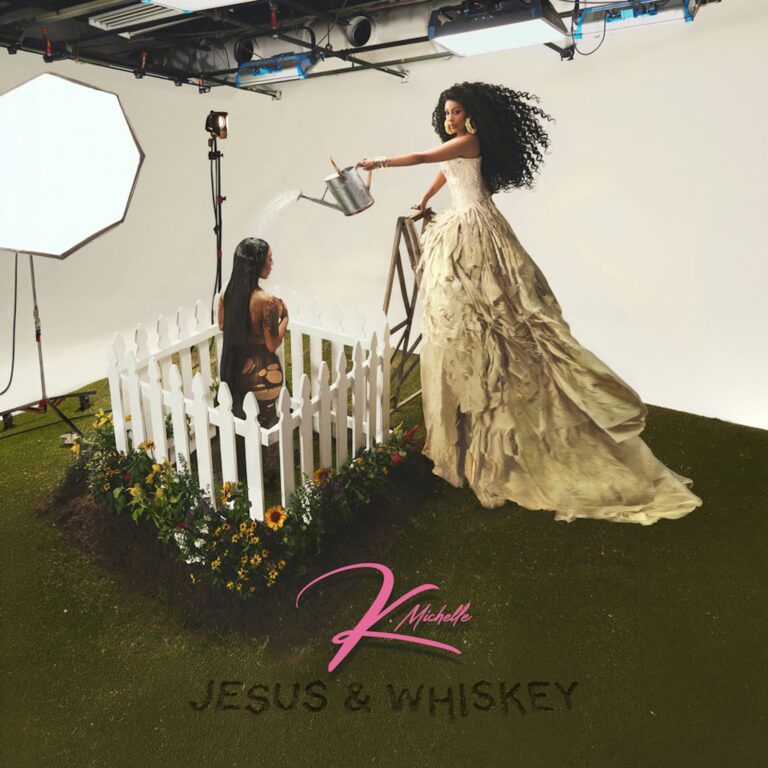
Historically, when artists have taken breaks, they’ve often returned with a renewed sense of purpose and creativity. Consider the evolution of Jay-Z after his so-called retirement. He came back, redefining himself, his sound, and his business ventures, influencing a new wave of artists who see the industry as more than just music. Or K. Michelle venturing into country music, challenging genre norms, and expanding the narrative of what Black artists can achieve.
As Ariana wraps up her tour, fans will undoubtedly speculate on what comes next. Will she explore new musical directions, much like K. Michelle has with her country album? Might she dip her toes into activism or other creative ventures? Whatever the path, her legacy in pop culture is already cemented. The impact of her hiatus will be closely watched, not only for her personal journey but for what it signifies in a broader cultural context.
In a world that often demands our constant attention and energy, Grande’s decision to pause offers a lesson for us all: to value our well-being above external expectations. As we look to the future, artists taking time for themselves is something we should all aspire to support. Because in the end, their music, their voice, and their presence are richer when they’re rooted in genuine wellness and self-awareness. That’s how icons are not just created but sustained.
About The Author