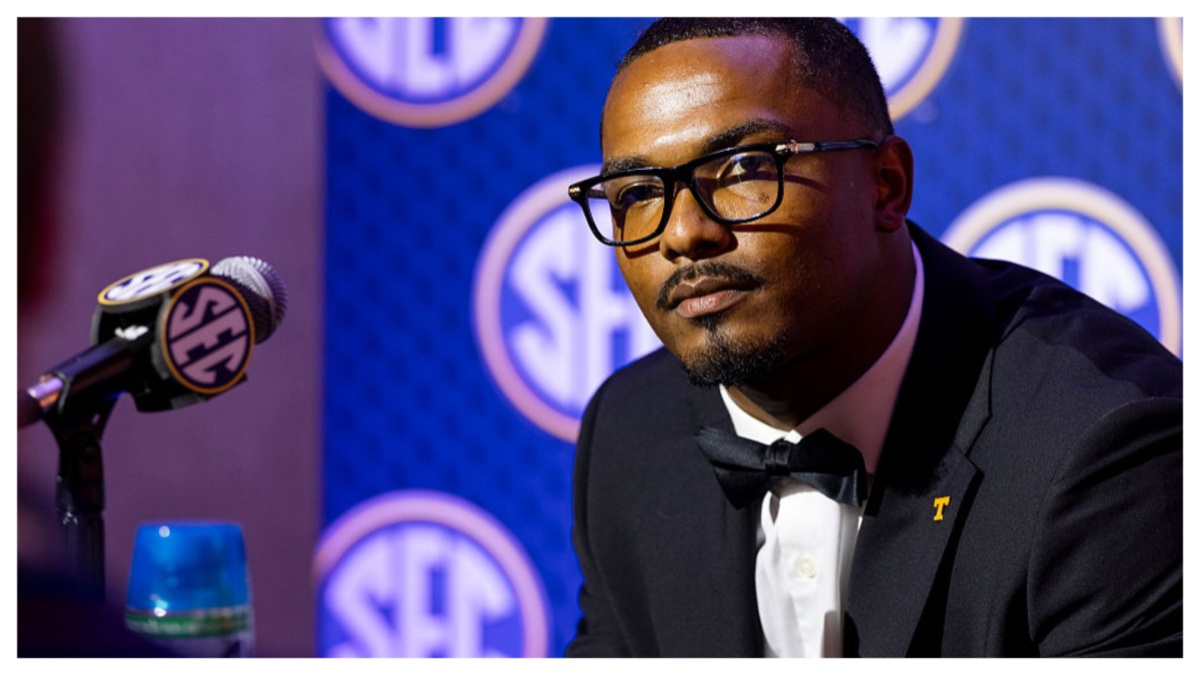
The Tragic Death of Demazio Skelton: A Wake-Up Call for Black Athletes Amidst Violence and Neglect
By Tanya Brooks, PowerVault Staff On a Tuesday afternoon that should have been like any other, tragedy struck in Atlanta. Demazio Skelton, a rising star who played for Georgia State University, was killed in a violent...
By Tanya Brooks, PowerVault Staff
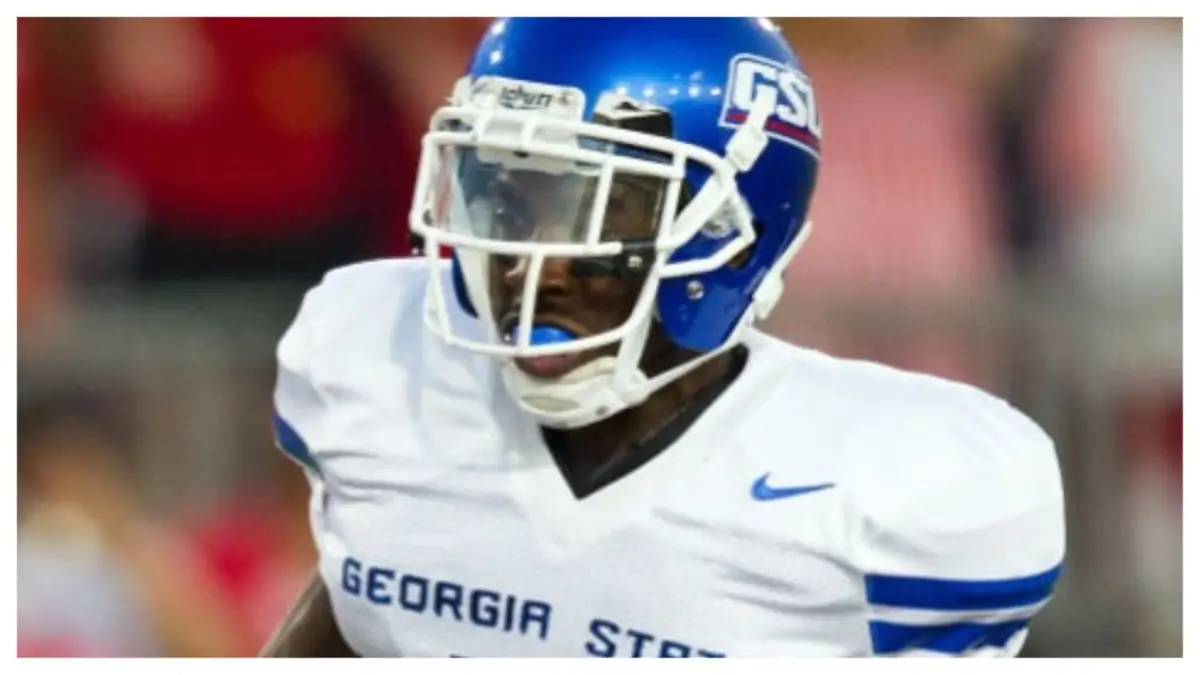
On a Tuesday afternoon that should have been like any other, tragedy struck in Atlanta. Demazio Skelton, a rising star who played for Georgia State University, was killed in a violent armed robbery that left not just him, but several others grappling with the aftermath of a moment that could have been avoided. It’s in these moments, when the police report surfaces and the headlines echo with shock, that the broader implications of violence against young Black men come crashing into view.
Demazio was more than just a football player; he was a product of a system designed to uplift young athletes, to help them escape the trappings of poverty and violence. He was a hope bearer for his family and community, embodying the dreams of many young Black boys who aspire to make it big in a sport where they are often celebrated yet tragically disposable. His life was cut short in an instant, a stark reminder of the dangers that lurk not only on the field but also in the streets he called home.
This incident is not an isolated tragedy. It reflects a broader crisis that resonates far beyond the boundaries of a football field. Black athletes, particularly those who come from underprivileged backgrounds, often navigate a world that is fraught with obstacles,whether it’s systemic racism, socioeconomic disparities, or the violence that seems ever-present in their neighborhoods. In this instance, the brutal circumstances of Skelton’s death serve as a painful intersection of these realities, bringing to light the inherent vulnerabilities of Black men in America.
While the immediate focus may be on the shocking details of the robbery, the implications of Skelton's death reach deeper. As news outlets and social media buzz with updates, conversations about gun violence, community safety, and the pressures faced by young athletes must take center stage. Skelton’s story is a painful reminder of how many young Black men are caught in a cycle that often ends in tragedy, even before they get a chance to truly shine.
In this moment, it’s imperative to consider the systemic failures at play. The societal structures that allow violence to flourish in communities are the same structures that often fail to provide adequate support for young athletes. When Black athletes succeed, they are often heralded as exceptions, celebrated in the spotlight but also thrust into positions where they are scrutinized more fiercely than their white counterparts. Meanwhile, when they fall victim to violence or misfortune, the narrative often shifts to one of cautionary tales rather than systemic outrage.
Demazio Skelton’s death should not be a mere statistic. It’s a clarion call for change, a signal that the systems in place must do more to protect young Black men. The pressure is palpable: perform, succeed, become that beam of hope for your family,but at what cost? The pressure does not end when a player leaves college; it follows them, a weight that threatens to crush aspirations before they even begin.
What makes this moment even more gut-wrenching is the realization that the tragedy of Skelton is not singular; it is part of a continuum. Young Black men continue to be victims of violence at alarming rates, often in their own neighborhoods. And when they are athletes, they are asked to carry the burden of their communities even as they seek to escape the very environments that can seem so hostile. The systemic neglect surrounding these young men creates conditions ripe for tragedy, and every time an athlete like Skelton loses their life, it adds another chapter to a painful narrative.
The sports industry, often quick to commodify Black talent, must also take responsibility. The leagues, the schools, and the brands that profit off these young men must engage in the real conversations about violence in their communities. It’s easy to celebrate the athlete who makes it big, but what about the structures that allow young men to slip through the cracks? How do we put measures in place to ensure their safety and wellbeing, not just on the field but off it as well? Questions like these deserve answers that go beyond thoughts and prayers.
The irony is not lost, as the sports community often rallies around athletes in times of crisis, yet fails to address the systemic issues that lead to such tragedies. The NFL, NCAA, and other governing bodies must step up,not just to honor Skelton's memory with momentary tributes but to implement lasting change. Initiatives that address violence in communities while also providing mental health resources and support systems for young Black men in sports are crucial in a landscape that all too often sees these young athletes sidelined by the brutal realities of life.
Moving forward, the onus is on all of us. The tragic loss of Demazio Skelton should compel us to reflect on the state of our communities, the safety of our youth, and the responsibilities owed to those who provide us with entertainment and inspiration. As fans, advocates, and community members, the challenge lies in holding the industry accountable while also addressing the larger societal issues that lead to such a heartbreaking outcome.
Let Demazio's story be a catalyst for change, a reminder that behind every athlete is a human being with dreams, struggles, and a life that matters. The time has come to demand more than just recognition; it’s time for accountability, for real conversations about safety, and for actions that will prevent another tragedy from unfolding. Skelton’s death should break our hearts but also ignite our resolve to foster safer communities, where the only risks young Black men face are those associated with the game they love, not the streets they navigate.