Why Is NCAA Punishing Tennessee's Arion Carter Over a $427 Loan?
By Malik Carter, PowerVault Staff Picture this: a young Black athlete, poised for a breakout season, his entire future hanging in the balance. He’s on the verge of doing something big, something that could change his...
By Malik Carter, PowerVault Staff
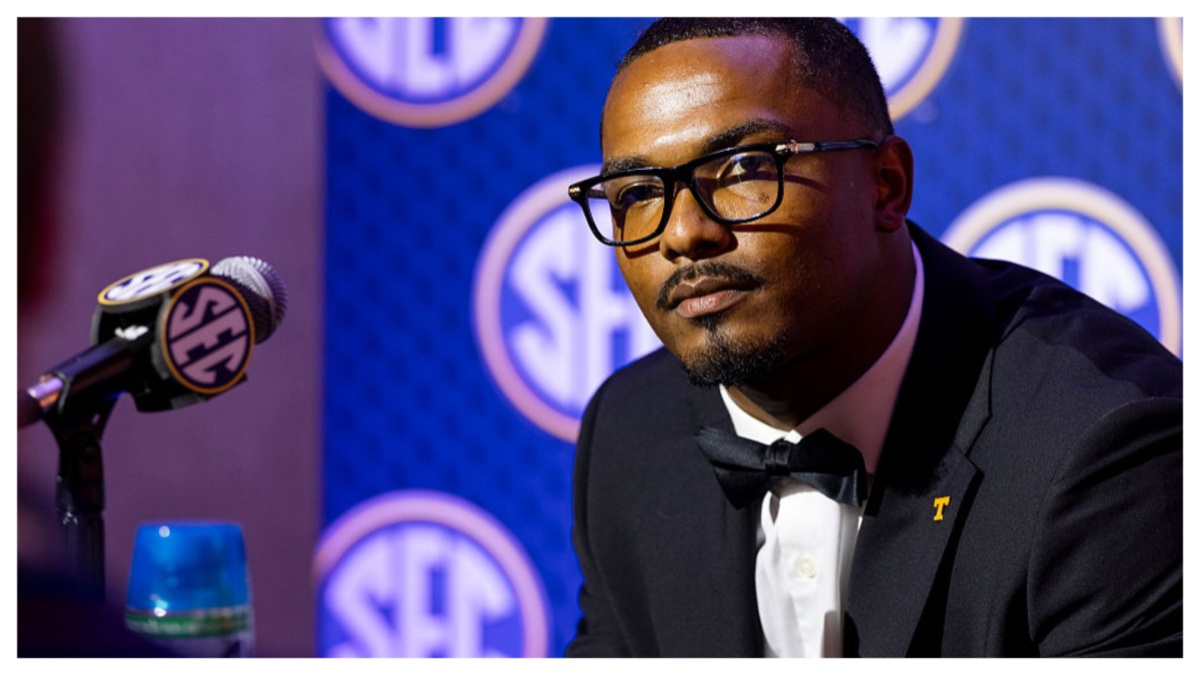
Picture this: a young Black athlete, poised for a breakout season, his entire future hanging in the balance. He’s on the verge of doing something big, something that could change his life and the lives of those around him. Then, out of nowhere, the NCAA drops a bombshell , a suspension over a mere $427 loan. This is exactly what happened to Tennessee's star linebacker Arion Carter, an incident that raises more questions than it answers about the policies governing college sports.
Let’s take a moment to appreciate the absurdity of this situation. Here we have the NCAA, an entity that rakes in billions from college athletics while historically denying athletes their rights, now waving a red flag over a paltry loan amount. Meanwhile, teams are gearing up to extend financial commitments of $50 million annually to keep rosters stacked and competitive. If this isn’t a blatant contradiction, then what is? The scales seem tipped in favor of everyone but the athletes themselves.
Carter’s suspension comes at a pivotal time. Not only is he navigating the final stretch of his college career, but he’s also looking to showcase his talent for the NFL Draft. This isn’t just a game for him; it’s a life-altering moment. The stakes are high. He isn’t just playing for himself; he’s playing for his family, for his community, and for Black athletes everywhere who are often caught in the crosshairs of systemic inequities.
The NCAA’s decision to impose this suspension over a minor transgression starkly illustrates the power dynamics at play in college athletics. It shines a spotlight on how Black athletes are policed and held to different standards compared to their white counterparts. Let's consider the context: the NCAA is a predominantly white institution whose leadership often struggles to relate to the athletes they govern. The rules seem designed to maintain control rather than to foster fairness or growth. And when a Black athlete like Carter steps out of line, the repercussions are swift and severe.
Arion Carter is far from the first Black athlete to face the double-edged sword of scrutiny and expectation. Historically, Black athletes have had to navigate a complex landscape filled with biases and stereotypes. The NCAA's punitive measures reinforce a culture that often feels hostile to Black athletes, who are already fighting against stereotypes that portray them as reckless or irresponsible. This isn’t simply about a loan; it’s about a system that punishes them disproportionately. And it reveals an unsettling truth: while schools profit immensely from the talents of Black athletes, those same athletes are often left to fend for themselves when obstacles arise.
The financial landscape of college football is evolving; athletes are finally beginning to see the fruits of their labor through name, image, and likeness (NIL) deals. Yet, the NCAA continues to impose archaic rules that stifle genuine progress. This $427 loan incident isn’t just a blip on the radar; it’s symptomatic of a much larger issue. As schools gear up for unprecedented financial commitments, the governing bodies seem determined to clamp down on the very individuals who make these profits possible. The hypocrisy is staggering.
Moving forward, the community must rally around Carter. This isn’t just about one player; it’s about a collective movement towards reform in college athletics. Fans, advocates, and influencers alike need to demand accountability from the NCAA. The reality is that every time an athlete is unjustly penalized, it sends a message to younger generations that they too can be punished for minor infractions while their institutions rake in millions. It’s a disheartening narrative that can’t continue unchecked.
As this season unfolds, all eyes should be on how Carter handles this adversity. More importantly, he is now a symbol of the struggle many Black athletes face in a system that often views them as expendable. The pressure on him is immense, but so is the potential for change. If Carter can leverage this moment to amplify the conversation around athlete rights and the NCAA’s outdated policies, it could lead to a seismic shift in how institutions treat their players.
In the end, the story of Arion Carter isn’t just his alone. It’s a story that belongs to a generation of Black athletes who are tired of being punished for navigating a system that was never designed for their success. When the NCAA makes decisions that seem arbitrary and punitive, it’s time to ask , who benefits? Who gets to write the rules? And how can we push back against a system that often seems rigged against Black excellence? As fans and advocates, the challenge is clear: support these athletes, amplify their voices, and demand systemic change.
The road ahead may be challenging, but if Carter can rise from this moment, it could pave the way for future athletes to demand the respect they deserve. This incident serves as a rallying cry, a call to action for everyone in the sports community to recognize the inequities at play and to fight for a landscape where Black athletes can thrive without fear of unjust repercussions. It’s time to turn the tide.