Why the WNBA Needs to Embrace Its Identity Like Costco Embraces Bulk Buying
By Renee Fontaine, PowerVault Staff On a sultry summer evening, the WNBA arena pulses with the rhythmic thud of basketballs meeting hardwood. The crowd is electric, a vibrant tapestry of passionate fans gathered to wi...
By Renee Fontaine, PowerVault Staff
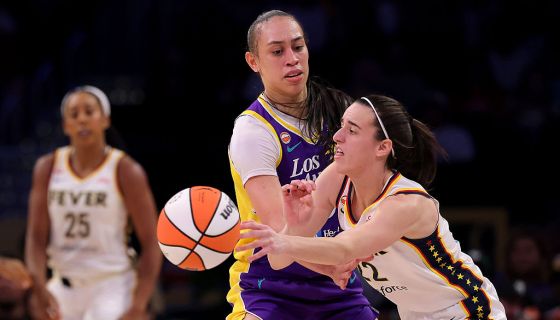
On a sultry summer evening, the WNBA arena pulses with the rhythmic thud of basketballs meeting hardwood. The crowd is electric, a vibrant tapestry of passionate fans gathered to witness the athleticism and tenacity of some of the best women hoopers in the world. But as the lights dim and the players take center stage, a deeper story lies just beneath the surface,one that speaks to the systemic challenges facing Black women in a league that should be celebrated but often struggles against an indifferent mainstream audience.
In a climate where sports often act as a mirror to societal issues, the WNBA finds itself at a crossroads. With the recent push for accountability and fair treatment in the league, those who have long supported the WNBA are left wondering: why can’t the league operate with the same efficiency and fanfare as a Costco, known for its community engagement and bulk-buying appeal? Just as Costco thrives by catering to loyal customers, offering tangible benefits, the WNBA must find ways to elevate its profile, engage with its audience more meaningfully, and secure its financial viability. As Black women make up the majority of the league’s talent, their struggles are often magnified under the glaring spotlight of societal expectations.
This week, U.S. Representative Pfluger led a charge demanding accountability for the treatment of WNBA players, pushing against a backdrop of frustration that has simmered for years. The players’ voices are often muted, overshadowed by a league that has yet to fully grasp the power of its own narrative. With increased visibility and social activism, players like Kelsey Plum and Breanna Stewart have emerged as fierce advocates for their peers. Yet, this advocacy is often met with resistance,forcing fans and players alike to ponder if the WNBA is truly ready to embrace its role as a beacon of empowerment.
The disparity in treatment and recognition compared to their male counterparts in the NBA is stark and frustrating. The NBA has orchestrated a marketing machine that emphasizes star power, with teams raking in millions through endorsements and merchandise. In contrast, the WNBA struggles to gain the same momentum. This begs the question: when a league embodies the strength and spirit of Black women, why is it still marginalized, relegated to the background of a predominantly white sports culture? The WNBA’s survival hinges on its ability to reflect its values back towards its community, much like Costco, which offers more than just goods; it offers a sense of belonging.
At the heart of the WNBA’s challenges lies a broader system that often marginalizes female athletes, particularly those of color. The historical context is crucial. For decades, Black women athletes have fought against a double-edged sword: their remarkable achievements are often overshadowed by systemic racism and sexism. In a sports ecosystem where culture clashes with commercial interests, Black women frequently find themselves bearing the brunt of inequity. As stated in the source article, “when white America catches a cold, Black America catches the flu.” This often resonates within the WNBA, where the struggles of Black women represent a microcosm of larger societal issues.
The financial disparities are glaring. While the WNBA has made strides in improving player salaries, the figures still lag behind those of their male counterparts in the NBA. The base salary for WNBA players remains a fraction of NBA players’ earnings. This speaks volumes about how the league views its talent and how it prioritizes investment in its athletes. The 2022 collective bargaining agreement was a step in the right direction, raising the average salary and increasing opportunities for players to pursue endorsements, yet it remains insufficient. If the WNBA is to thrive, it needs to recognize that investing in its players will yield dividends both on and off the court.
The WNBA must also confront the narratives surrounding its players. The media portrayal of Black women athletes often skews towards the sensational, focusing on drama and stereotypes rather than athletic prowess. This contributes to a culture where Black female athletes are undervalued and underappreciated. The continued struggle for visibility is palpable, as seen in the muted hype surrounding WNBA playoffs compared to the NBA finals. This lack of equity in coverage is not merely a sports issue; it’s a cultural one. It forces fans to question who is deemed worthy of attention and who isn’t. For a league that has positioned itself as a progressive force, proactive measures must be taken to shift this dynamic.
Moreover, the political landscape further complicates the WNBA's narrative. The players have increasingly used their platforms to advocate for social justice, highlighting issues like police brutality and systemic racism. This activism should be celebrated, yet it often comes with pushback from those who wish to keep politics out of sports. The fallout from this tension illustrates that the WNBA stands at the intersection of sports, culture, and politics,a place ripe for influence but fraught with peril.
Moving forward, the WNBA has the potential to reshape its identity. By adopting a model that emphasizes community engagement similar to Costco, it could cultivate a loyal fan base while ensuring its athletes receive the recognition and compensation they deserve. The league must prioritize authentic storytelling, allowing players to showcase their journeys, struggles, and successes. This means not just selling games but selling the culture that surrounds them,a culture that is rich, diverse, and unapologetically Black.
In addition, partnerships with organizations focused on diversity and inclusion can help the WNBA amplify its reach in a way that resonates with a broader audience. Activating these relationships can create a pipeline of support for young female athletes, fostering a new generation of talent that feels connected to the league. As more eyes turn toward the WNBA, the league has the opportunity to capitalize on this moment, ensuring that its Black female athletes are celebrated, not sidelined.
The essence of the WNBA is rooted in resilience, determination, and excellence. But to navigate the stormy waters of systemic bias and societal indifference, it must embrace its identity fully and unapologetically. Just as Costco has mastered the art of community connection through bulk offerings, the WNBA must recognize that its strength lies not just in its players’ skills, but in the stories they tell and the lives they touch. If the WNBA can harness this potential, it won’t just survive; it will thrive, becoming a powerful force that reshapes the narrative of women’s sports and the perception of Black female athletes in the process.