What Happened to Celeste Rivas? The Disturbing Murder Trial of D4VD Explained
By DeShawn Price, PowerVault Staff The courtroom buzzes with tension as the details of a child's murder unfold, leaving a community grappling with grief and disbelief. Celeste Rivas Hernandez, just thirteen years old,...

By DeShawn Price, PowerVault Staff
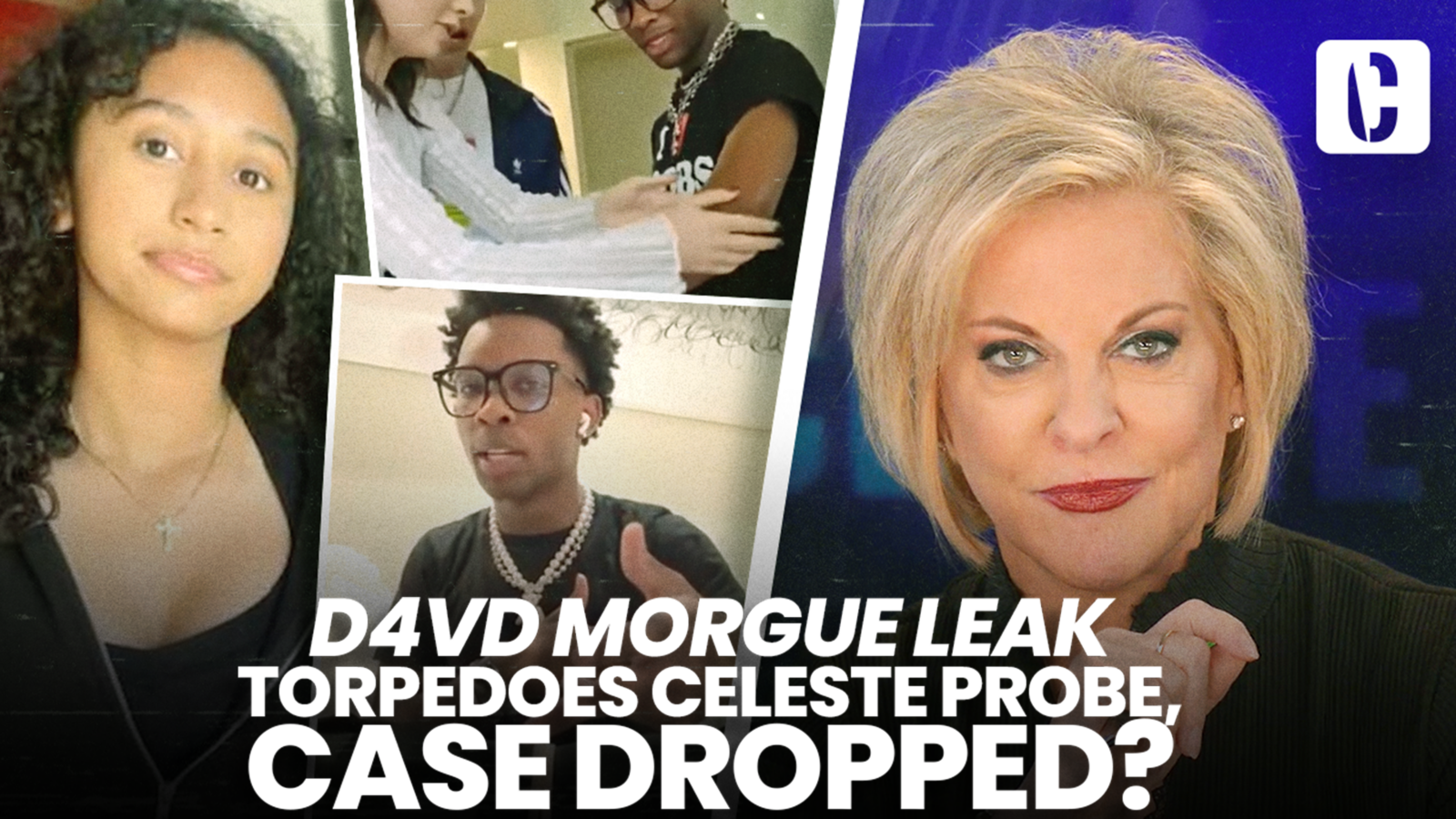
The courtroom buzzes with tension as the details of a child's murder unfold, leaving a community grappling with grief and disbelief. Celeste Rivas Hernandez, just thirteen years old, was discovered in a gruesome state. The preliminary hearings in the murder trial of D4VD, a name that has surged into the media spotlight, reveal harrowing truths about the nature of the crime. The heart-wrenching specifics of Celeste's last moments were revealed in deep contrast with the youth's vibrant life prior to the tragedy. A murder that should have sparked outrage has instead turned into a spectacle, raising questions about justice, accountability, and whether those who should protect the most vulnerable are failing them.
Celeste was a lively teenager, full of dreams and aspirations, her life abruptly cut short in a manner that has left many questioning how such a crime could occur. As the facts emerge, the picture painted is one of brutality that no one, especially not a child, should have to endure. The stark imagery and the cold analysis of the evidence presented at trial have left many in the community in shock. How does one process such horror? The sense of loss feels compounded by a feeling of helplessness as those who should protect children seem to often fall short.
The trial has shifted into the public eye, largely due to its shocking nature. D4VD, a name now synonymous with the tragedy, is a figure caught in a web of controversy. There are those among the public who are already questioning the motives behind pushing this case forward. Was it a rush to justice, or perhaps an effort to find someone to blame for the systemic failures that allowed such violence to flourish? The ongoing proceedings highlight a broader pattern within a justice system that often overlooks the gravity of crimes against children.
In a society that prides itself on progress and justice, how is it that child murder cases still evoke a sense of confusion more than clarity? Where are the accountability measures to ensure that better prevention tactics are put in place? The community's anguish has echoed through the halls of justice, which seem to be more invested in the spectacle than the healing of hearts. As details leak to the media, questions arise about the integrity of the investigation and whether it reflects a broader failure of the justice system.
The representation of Celeste's case in mainstream media has also increasingly raised concerns about the ethics of reporting on sensitive topics involving minors. While it is critical to inform the public, how do we ensure that stories of such magnitude do not turn into sensationalized accounts that exploit suffering? The balancing act is delicate. Responsible journalism should hold the powerful accountable while giving voice to the voiceless, and in this case, Celeste's story deserves to be treated with the utmost respect.
A significant aspect of this case that cannot be overlooked is the racial and socio-economic dynamics at play. The neighborhood where Celeste lived has been marked by systemic issues that often correlate with crime rates. The ongoing structural inequalities facing many communities of color contribute to the cycles of violence and victimization. When cases like Celeste's arise, they often become a stark reminder of the resources that are lacking in terms of community support and intervention strategies.
Furthermore, the legal representation for D4VD and the implications for the court's handling of minors bring to light the disparities in how the justice system treats young offenders. Are they given the benefit of the doubt because of their age, or do they become scapegoats in a failing system? Questions linger about whether the youth involved in such tragedies are treated as victims of circumstance or cold-hearted criminals.
As the trial progresses, the emotional toll on Celeste's family and the community cannot be understated. Each day in court serves as a reminder of a life lost and the failures that preceded it. The community has rallied, seeking justice not just as an outcome, but as a path to healing. Yet, with each passing day, the question remains: will justice be served? Or will this case become another statistic, a tragic footnote in a broken system?
What is currently at stake in the courtroom extends far beyond the individuals involved. Celeste's story has the potential to shine a light on systemic issues that require urgent attention. Advocates for justice will be watching closely as the trial unfolds. The outcomes may serve as a defining moment for how our society responds to violence against children and the systemic failings that allow such tragedies to occur.
As we reflect on Celeste's story, it is essential to hold accountable not just those directly involved in her murder, but also the systems that allowed this to happen. Policymakers, law enforcement, and community leaders must take a hard look at their roles in preventing violence against children. This means not only ensuring justice is served in individual cases but also addressing the broader societal issues that contribute to a culture of violence.
As the trial of D4VD continues to shake the foundations of the community, one can only hope that Celeste's legacy inspires change. It's a chance to reconsider how society values and protects its children. As the narrative continues to unfold, the question will remain: can this tragedy lead to meaningful change, or will it simply fade into the background of another sensationalized story?