LAPD Officer Exposes Colleagues' Racism and Faces Felony Charges — What Does This Reveal About Police Culture?
By Marcus Ellison, PowerVault Staff The dimly lit break room echoed with laughter, but the humor was laced with malice. As he sat quietly, LAPD officer Daniel Flores recorded his colleagues trading racist, homophobic,...
By Marcus Ellison, PowerVault Staff
The dimly lit break room echoed with laughter, but the humor was laced with malice. As he sat quietly, LAPD officer Daniel Flores recorded his colleagues trading racist, homophobic, and sexist slurs, convinced he was gathering evidence to hold them accountable. The irony is stark: instead of being commended for his actions, Flores now finds himself facing 16 felony charges for eavesdropping. This twist has sent shockwaves through a city already grappling with its troubled relationship with law enforcement.
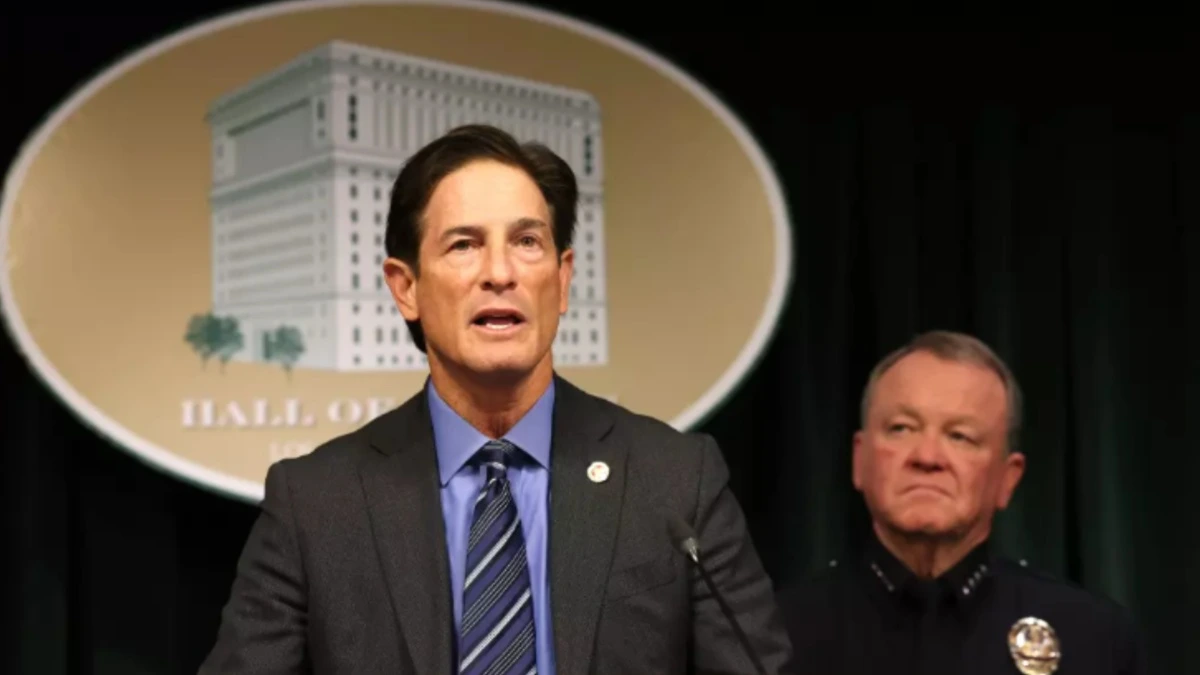
The facts are unsettling. Flores collected around 90 recordings over a period, believing that he was standing up against the entrenched culture of bigotry within the LAPD. The irony of the situation cannot be overstated. He aimed to expose the very same officers who helped uphold a system rife with racial injustice. Instead, he is now in the crosshairs of the legal system, accused of violating California's privacy laws. According to District Attorney Nathan J. Hochman, the officer allegedly recorded his colleagues without their consent, a legal misstep that has left him facing up to 13 years in prison if convicted.
This narrative begs the question: how is it that the whistleblower has become the target? What does this incident reveal about the broader culture within the LAPD and similar law enforcement agencies across the nation? The implications are profound, as they highlight the adversarial environment that often discourages officers from speaking out against misconduct.
The system of policing across America is built on a foundation of loyalty. Officers are expected to protect one another, a commitment that can easily morph into complicity in wrongdoing. The “code of silence” persists, not merely as a cultural artifact but as a mechanism of survival within departments. Flores' endeavor to expose the toxic atmosphere of his workplace not only put him at odds with his colleagues but also ran afoul of a system that often prioritizes its reputation over accountability. The LAPD, like many police forces, seems to be more concerned with maintaining a facade than confronting its internal demons.
This situation is emblematic of a larger systemic failure. Legal protections for whistleblowers in law enforcement are tenuous at best. Flores's case highlights the risks that officers face when trying to report misconduct within their ranks. Rather than being supported, those who dare to step outside the confines of the status quo often find themselves ostracized or punished. The chilling effect of such actions acts as a deterrent for others who might consider similar disclosures, ultimately perpetuating a cycle of silence around misconduct.
Critics have long pointed to the need for reform within police departments across the country. The reality is that until internal culture shifts away from one grounded in silence and complicity, genuine accountability will remain elusive. The very system designed to protect the public becomes a mechanism of oppression when officers who attempt to do the right thing are punished instead of celebrated.
In a city like Los Angeles, where race relations have historically been fraught, this incident strikes a nerve. The LAPD has a long-standing reputation for its brutal tactics and discriminatory practices towards communities of color. The recordings collected by Flores echo the sentiments expressed by countless victims of police misconduct, revealing that the thoughts and attitudes held by some officers may contribute to a culture of hostility and discrimination against marginalized groups.
As Flores faces the legal consequences of his actions, parallels can be drawn to other high-profile cases where whistleblowers have been vilified instead of vindicated. The case of former LAPD officer Brian Rice, who faced repercussions after exposing misconduct within his department, illustrates a troubling pattern. The legal system seems to protect its own, while those who attempt to unveil injustices are met with hostility and punishment.
This scenario prompts a necessary reevaluation of how law enforcement agencies operate. It raises questions about the efficacy of the oversight mechanisms in place and the need for more robust protections for those who expose wrongdoing. If officers like Flores cannot safely report misconduct without the fear of severe repercussions, the cycle of abuse and silence will continue unabated.
The public's trust in the police is at an all-time low, exacerbated by incidents of police violence and systemic racism. The challenge now lies in how communities and local governments will respond to the revelations brought forth by officers like Flores. Will there be a push for reform, or will this incident be swept under the rug as merely another example of a fractured system?
As Flores's case unfolds, the responses from the LAPD and city officials will speak volumes about their commitment to accountability. Will they acknowledge the toxic culture that pervades the department? Will they take actionable steps to protect whistleblowers and promote transparency? Or will this incident serve as a cautionary tale for other officers considering similar paths?
The narrative surrounding Daniel Flores is still being written, but it serves as a crucial reminder of the systemic issues that plague law enforcement today. The outcome of his case will undoubtedly influence the discourse around police culture, accountability, and the protection of whistleblowers moving forward. Communities must remain vigilant, demanding not only justice for Flores but also broader reforms that challenge the status quo. Only then can the cycle of silence begin to fracture, paving the way for a more just and equitable future in policing.