Audrey Masarik Attack: What the Viral Video Says About Racial Violence in America
By PVN Staff · August 30, 2026 · Depths of Evidence
By Andre Coleman, PowerVault Staff
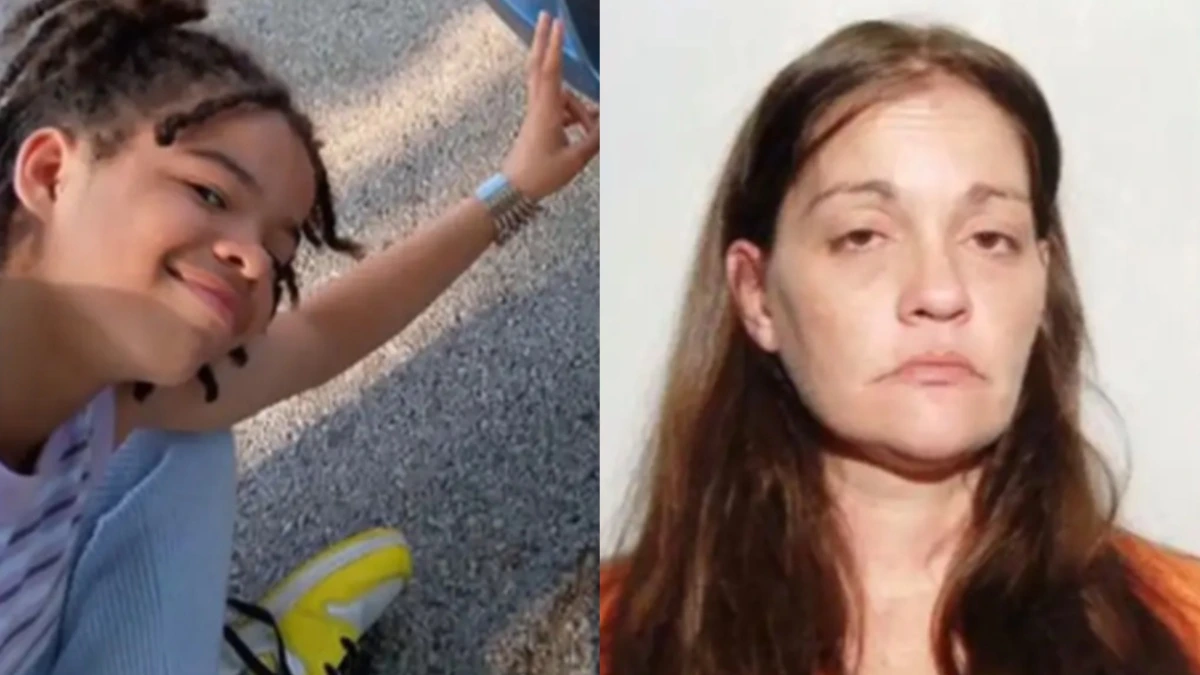
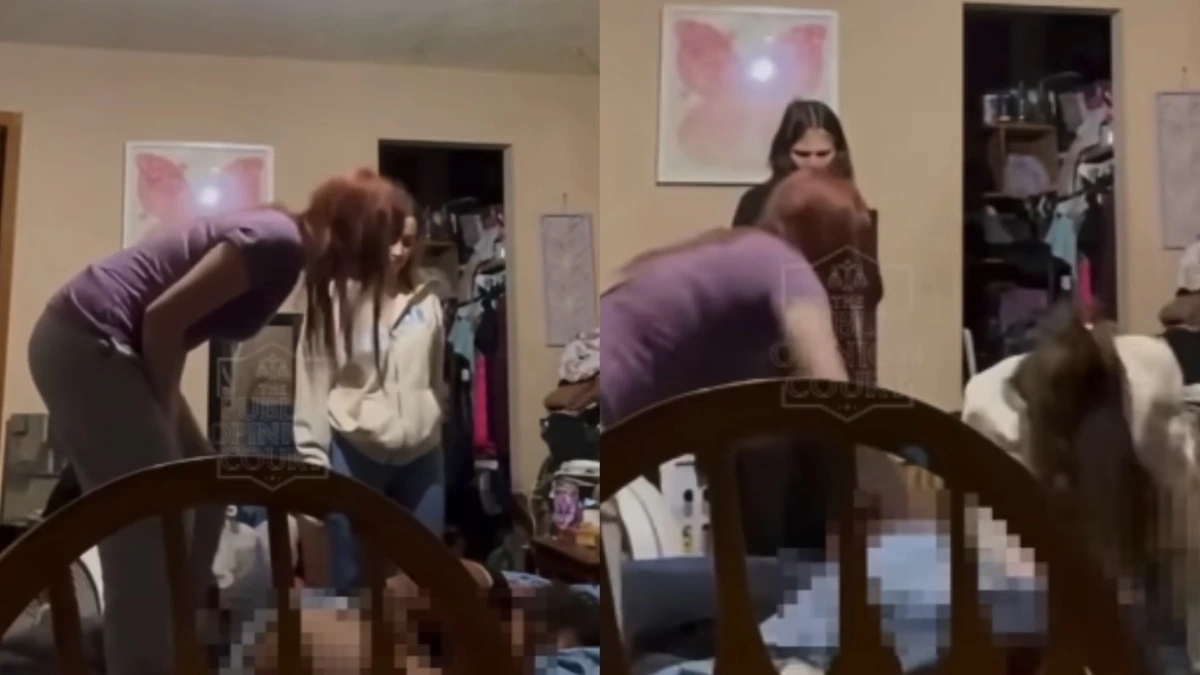
The cameras were already rolling when the chaos erupted. A seemingly quiet street corner turned into a battleground, a scene all too familiar in a country where racial tension never takes a day off. The video is grainy, but the brutality is crystal clear. A group of white women encircle Audrey Masarik, taunting her with the venomous disdain only centuries of systemic racism can fuel. Their words, 'Where can we hide the body?', hang in the air like a cruel echo of America's dark past.
As unsettling as it is, this isn't just about Audrey or the group of aggressors. It's about a society that still allows such things to happen. The incident took place in St. John, Michigan, and the internet wasted no time in making sure the world knew about it. The video, shared endlessly across social media platforms, has sparked an uproar that transcends the borders of this small town.
The local police department announced they were investigating the video on Facebook, a move that felt almost obligatory rather than urgent. The promise of an investigation hangs in the balance, a familiar refrain whenever racial violence makes its way into the public eye. Will this be just another inquiry that fades into obscurity, or will real justice be served?
While the investigation is ongoing, let's not pretend this is an isolated incident or a rare occurrence. This attack is part of a long-standing narrative that continues to plague Black communities across America. From random acts of violence to systemic oppression embedded in institutions, the Black experience often feels like navigating a field filled with hidden landmines. One wrong step, and the consequences can be deadly.
It's a harsh reminder of how far we still have to go in terms of racial justice. In a society that prides itself on freedom and equality, why are stories like Audrey Masarik's still making headlines? Why are Black women, in particular, so often the targets of violence and discrimination? These are the questions mainstream media shy away from, but here at PowerVault Network, we dig deeper.
Historically, Black women have always been at the forefront of movements for change, often bearing the brunt of backlash both from within and outside the community. The attack on Audrey is not just an act of individual cruelty but a reflection of a systemic issue that demands collective action. It's reminiscent of a culture that has continually marginalized Black voices, one that needs a serious reckoning.
Consider the pattern: from the streets of Ferguson to the sidewalks of New York City, the cries for justice are often met with silence or, worse, dismissal. This isn't just about policing or judicial oversight; it's about a cultural shift that recognizes Black lives as valid, valuable, and vulnerable. It's about dismantling the roots of white supremacy that enable such acts of violence and turning 'investigations' into actual change.
At PowerVault Network, we believe in more than just reporting the news. We exist to challenge perceptions, and it's time to ask: What can we do as a community to protect our own while holding perpetrators accountable? Audrey's story is more than a viral moment; it's a call to action. We must educate, agitate, and initiate change that ensures future headlines are about triumphs and not tragedies.
The road ahead is arduous, and the fight is far from over. But if we take anything from Audrey Masarik's story, let it be the resolve to be vigilant and vocal. To demand more from our justice system, to advocate for the safety and dignity of Black lives everywhere, and to ensure that when the cameras start rolling, they capture a society moving towards progress, not backward into the shadows of its past.