50 Cent Appears in Court for Cyberstalking Case
By Andre Coleman, PowerVault Staff 50 Cent faced the digital courtroom this week, appearing via Zoom to confront cyberstalking charges that have caught the public's eye. In an era where technology blurs geographical b...
Advertisement

By Andre Coleman, PowerVault Staff
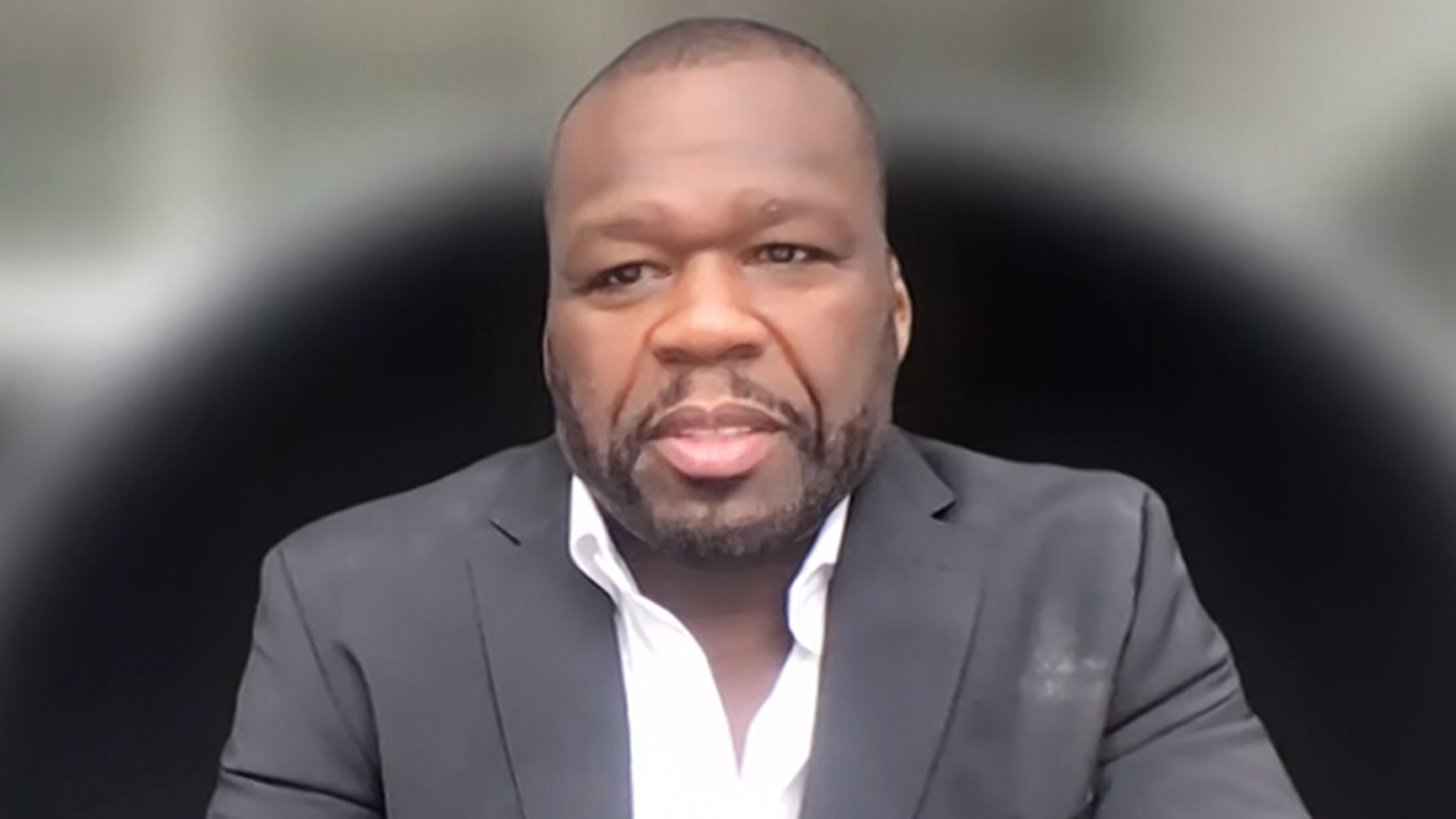
50 Cent faced the digital courtroom this week, appearing via Zoom to confront cyberstalking charges that have caught the public's eye. In an era where technology blurs geographical boundaries, this is more than another celebrity court appearance. It's a narrative that shows how even giants in the hip-hop world, like 50 Cent, are not above the intricate dance of online behavior and legal responsibility. As the virtual gavel comes down in this case, it reminds us all that digital actions have real-world consequences, and that the spotlight of celebrity does not shield one from the ironclad grip of justice. This moment serves as a stark reminder that in the digital age, every action is subject to scrutiny and potential repercussions, regardless of one's status.
According to coverage from various outlets, including PowerVault Network, 50 Cent, whose real name is Curtis Jackson, made his court appearance amidst ongoing allegations of cyberstalking and harassment. The case has dominated headlines, capturing the attention of both die-hard fans and staunch critics alike. The allegations suggest that Jackson used the expansive reach of social media to target and harass a woman, raising eyebrows and questions about the boundaries celebrities must handle online. What makes this case particularly noteworthy is the setting, a virtual courtroom, echoing the new norm where justice is served through screens instead of traditional physical presence. This digital backdrop adds layers of complexity to a case that challenges our understanding of privacy and expression in the age of social media.
The case originated from serious allegations made by a woman who claims that Jackson's social media presence was not just aggressive but harassing. She accuses him of utilizing his platform to engage in behavior that crosses the line from free expression into personal attack. These allegations are accompanied by purported evidence, including direct messages and public posts, which she argues demonstrate a sustained pattern of behavior that feels targeted and personal. This case shines a light on the potential misuse of celebrity influence in the digital age, questioning where the boundaries of free speech lie when tied to the immense power a public figure holds. It forces us to consider the responsibilities that come with having a platform and the impact of words shared in the vast public domain.
In his defense, 50 Cent's legal team has positioned his social media activity within the realm of free speech, arguing that the intent behind his posts was not to cause harm or harassment. This line of defense is a familiar one in cases involving public figures, where the intersection of personal expression and the potential influence it wields can become a gray area. The defense strategy hinges on the argument that his comments fall under the protective umbrella of the First Amendment, which provides a broad canvas for speech and expression. However, this case tests the limits of that protection, as the court must now discern whether his actions were expressions of opinion or stepped into the territory of targeted harassment. The outcome could redefine the balance between free speech and accountability for those in the public eye.
The public interest in this case is immense, driven not only by 50 Cent's celebrity status but also by the broader implications it holds for how cyber behavior is perceived in legal contexts. As our lives increasingly unfold online, the judicial system is grappling with the task of defining what constitutes harassment versus protected speech within digital spaces. This case could set a precedent that reverberates beyond the realm of celebrity, affecting anyone who is active on social media platforms. It raises pressing questions about digital rights and responsibilities, challenging the courts to adapt traditional legal frameworks to the complicated realities of the internet age. The outcome could redefine how society navigates the fine line between expressing oneself freely and respecting the rights and dignity of others in the digital sphere.
This isn't the first time a celebrity has found themselves entangled in legal battles over their digital behavior, illustrating a recurring theme in the age of social media. Back in 2014, comedian Roseanne Barr faced a lawsuit after she tweeted the address of George Zimmerman's parents. This incident sparked a debate on the balance between social justice advocacy and the right to privacy, highlighting the potential legal consequences of online actions. Similarly, in 2013, singer Chris Brown's intense social media rants led to real-world legal implications, underscoring how digital expressions can have serious offline repercussions. These cases, much like 50 Cent's current predicament, serve as cautionary tales about the power of words in the digital age and the potential for online behavior to be scrutinized and challenged in a court of law.
When a figure like 50 Cent takes the stand, even virtually, it forces us to confront what power looks like in the digital world.
When a figure like 50 Cent takes the stand, even virtually, it forces us to confront what power looks like in the digital world.
For 50 Cent, this legal battle transcends the immediate goal of clearing his name; it's a fight to protect and sustain his formidable presence at a time when reputation is paramount. Over the years, he's built a brand that stretches far beyond his musical legacy, venturing into television, business, and even political commentary. A ruling against him could profoundly impact not only his personal brand but also set a precedent for how other high-profile figures handle their online personas. It's a moment where his influence is at stake, not just his public image. The outcome of this case could ripple through the entertainment industry, affecting how celebrities and influencers engage with their audiences in the digital realm, with potential implications for brand partnerships and public perception.
This case also casts a spotlight on the entertainment industry's complex relationship with accountability. In an era where influencers and celebrities command immense power, the ways in which they wield this influence are subject to increasing scrutiny. The industry must face its role in either enabling or curbing potentially harmful behavior, as the actions of its stars often set benchmarks for acceptable conduct. The outcomes of such cases send significant messages, shaping not only the legal scene but also the industry's standards for celebrity behavior. How the entertainment world responds to these challenges reflects broader cultural shifts in how we perceive authority, influence, and responsibility. This case is a critical moment for the industry to reflect on its values and the impact it has on shaping societal norms.
For fans and the broader community, this legal drama serves as a stark reminder of the blessing and a curse that is social media. While these platforms offer unprecedented access to public figures and a powerful means of amplifying voices, they also present challenges in terms of handling the boundaries of ethical behavior and accountability. The culture must grapple with the question of how to hold icons accountable for their online actions while still celebrating their contributions to art, music, and the community. This ongoing conversation is crucial as it shapes our collective understanding of the balance between admiration and accountability at a time when digital interactions are increasingly intertwined with real-life consequences.
There's a deeper, necessary conversation to be had about race and its intersection with the justice system, especially as it pertains to the scrutiny faced by Black celebrities. Often, Black public figures find themselves under the microscope in ways that their white counterparts do not, raising questions about the role of racial dynamics in public perception and legal proceedings. This case offers a lens through which to examine these complex interactions, as cultural and legal stakes intertwine. It reminds us that the justice system does not exist in a vacuum and that societal biases can influence outcomes in ways that ripple across communities. As we watch this case unfold, it becomes a moment to reflect on how race, justice, and celebrity status intersect in shaping narratives and outcomes.
Advertisement
The next steps in this case will be closely watched, not just by those involved but by a public eager to see how this legal drama unfolds. As proceedings continue, the eventual outcome could reshape conversations about digital rights, responsibilities, and the boundaries of free expression in our increasingly connected world. For 50 Cent, his fans, and even his critics, the resolution of this case will either reinforce or challenge existing norms around celebrity and social media conduct. In an age where the digital world has made interactions more immediate and visibility more pervasive, it's crucial to understand what this means for both accountability and the wielding of influence. This case is a turning point in determining how we handle the complexities of digital expression and celebrity responsibility.
More from PowerVault Network: