By DeShawn Price, PowerVault Staff
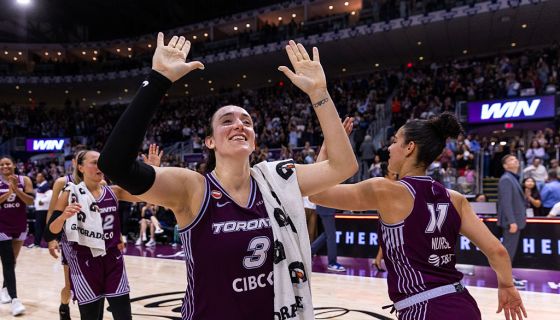
On a night when Marina Mabrey erupted for a staggering 53 points, the WNBA didn't just witness an individual performance that will be etched into history; it felt like a collective rallying cry from Black women on the hardwood. The lights were bright, the stakes were high, and the energy pulsated through the arena like a heartbeat. This wasn’t just another game; it was a testament to resilience, a reminder of the talent pool that exists in a league where Black athletes are often overshadowed by the narratives crafted around them. With Mabrey's performance, the message was clear: they are more than stats and records; they are game-changers, shattering ceilings and rewriting expectations.
In the midst of a season that has already been filled with highlights, Mabrey's record-setting outing stood out. Not only did she become the first player in WNBA history to score 50 or more points in a game while also achieving double-digit assists, it was a moment that reverberated well beyond the confines of the court. The WNBA, often dubbed the premier platform for showcasing women's basketball talent, has long been a space for Black women to shine. But with that light comes pressure, and Mabrey’s historic night was layered with all the complexities that come with being a Black athlete in a predominantly white sports landscape.
As the WNBA continues to grow both in popularity and visibility, stories like Mabrey’s remind us why representation matters. They also serve as a benchmark for the league's evolving narrative surrounding Black athletes. The fact that her achievement coincided with discussions about the league’s continued struggle for equity,both in pay and recognition,cannot be overlooked. For every moment celebrated, there are hurdles faced, from management to media portrayal. It’s essential to reflect on what this means for future generations of Black athletes who dream of stardom in a league that has always been their stage.
This week wasn't just about Mabrey lighting up the scoreboard; it was also marked by the robust performances of the Valkyries, a new expansion team that’s quickly rising in the ranks. Their success symbolizes a shift in the WNBA's culture,one that embraces the power of community, camaraderie, and the fierce competitive spirit that Black athletes embody. Underneath the dazzling plays and nail-biting finishes lies a rich tapestry of Black history, where these athletes are not just players but cultural symbols. They challenge the stereotypes that often paint them as mere entertainers, showcasing the depth of their talent and determination.
With the Commissioner's Cup Final looming, the stakes couldn’t be higher. This competition serves as a microcosm of the larger dynamics at play within the WNBA. The athletes are fighting not just for a trophy; they are battling for respect in a league that often underestimates them. Conversations abound about how to increase viewership and revenue, particularly focusing on how to engage a broader audience. However, the real challenge lies in ensuring that the narratives surrounding these athletes celebrate their achievements without commodifying their identities. The journey towards equity is ongoing, and with each passing game, the league continues to reassess its priorities.
What’s striking is how the WNBA, while making waves in terms of representation, still grapples with traditional sports structures that are often resistant to change. Under Commissioner Cathy Engelbert’s leadership, the league has made strides, but there are still significant hurdles. For example, the ongoing debates about players' salaries reflect a systemic undervaluation of female athletes as a whole. The success of players like Mabrey should serve as a rallying cry not just for equal pay but for equal respect and acknowledgment. How can the league capitalize on this momentum to ensure that Black women are not just participants but decision-makers shaping their futures on and off the court?
In light of these developments, the intersectionality of race, gender, and sport becomes even more complex. Black women athletes must navigate the challenges of being both fierce competitors and representatives of their communities. They are tasked with not just performing at elite levels but also being role models against a backdrop of social issues that often intersect with their identities. As fans and advocates, it's crucial for the community to rally behind these athletes,supporting them beyond just the box scores and highlights. The WNBA has always been a platform for empowerment, and we must amplify the voices of those who have paved the way for the next generation.
As we look ahead, it’s essential to keep our focus on the league’s trajectory. The upcoming months will be pivotal for the WNBA as it seeks to solidify its place in the sports landscape. Will it capitalize on the growing interest in women’s sports? How will it address the concerns surrounding players’ rights and compensation? There’s an undeniable momentum brewing, fueled by athletes like Mabrey, who refuse to be confined to the shadows of their predecessors. The WNBA has the potential to lead the charge for equity in sports, but it requires a commitment to challenge existing norms.
As this season unfolds, the spotlight will shine bright on the groundbreakers who redefine the game. Mabrey's explosive scoring showcases just a fragment of the brilliance that Black women bring to the league. Their journeys are intertwined with societal narratives that go beyond the court, echoing in the communities that support them. It’s time to elevate these stories, to not just watch history happen but to understand its implications for sports and society as a whole. The WNBA has the chance to be more than just a league; it can be a movement that champions change and promotes the powerful legacies of Black athletes.